

A ryokan stay is one of the most memorable experiences Japan has to offer. Sleeping on tatami, soaking in a steaming onsen, and savoring a multi-course kaiseki dinner, it's not just a hotel night, it's a cultural immersion. But for first-time visitors, ryokan come with their own set of etiquette, expectations, and surprises. This guide covers everything: what to expect, how to choose the right one, what to pack, and the best ryokan regions in Japan.
What Is a Ryokan?
A ryokan (旅館) is a traditional Japanese inn that has existed for centuries. Originally, ryokan were roadside lodgings for travelers, merchants, and pilgrims journeying across Japan on foot. Over time, they evolved into refined hospitality establishments that embody the Japanese philosophy of omotenashi, anticipatory, selfless hospitality where every detail is considered before the guest even thinks to ask.
Unlike Western hotels, a ryokan is not just a place to sleep. It is a complete experience designed around relaxation, seasonal beauty, and cultural tradition. Everything, from the architecture to the food to the pace of the evening, follows a deliberate rhythm.
Today, Japan has thousands of ryokan ranging from simple family-run guesthouses charging ¥8,000 per person to ultra-luxury properties where a single night can exceed ¥100,000 per person.
What to Expect: The Ryokan Experience Step by Step
Arrival (Check-in: typically 3:00 – 5:00 PM)
You arrive in the late afternoon. At the entrance (genkan), you remove your shoes, staff may already be waiting to greet you. You are led to a sitting area where you are served matcha (green tea) and a small wagashi (traditional sweet) while the staff explains the ryokan's facilities.
You are then escorted to your room, where a yukata (light cotton robe) is laid out for you to change into. From this point on, you can wear the yukata everywhere in the ryokan, the hallways, the dining room, and even outside to nearby shops if it is a hot spring town. Slippers are provided for indoor use.
Your Room
A traditional ryokan room features:
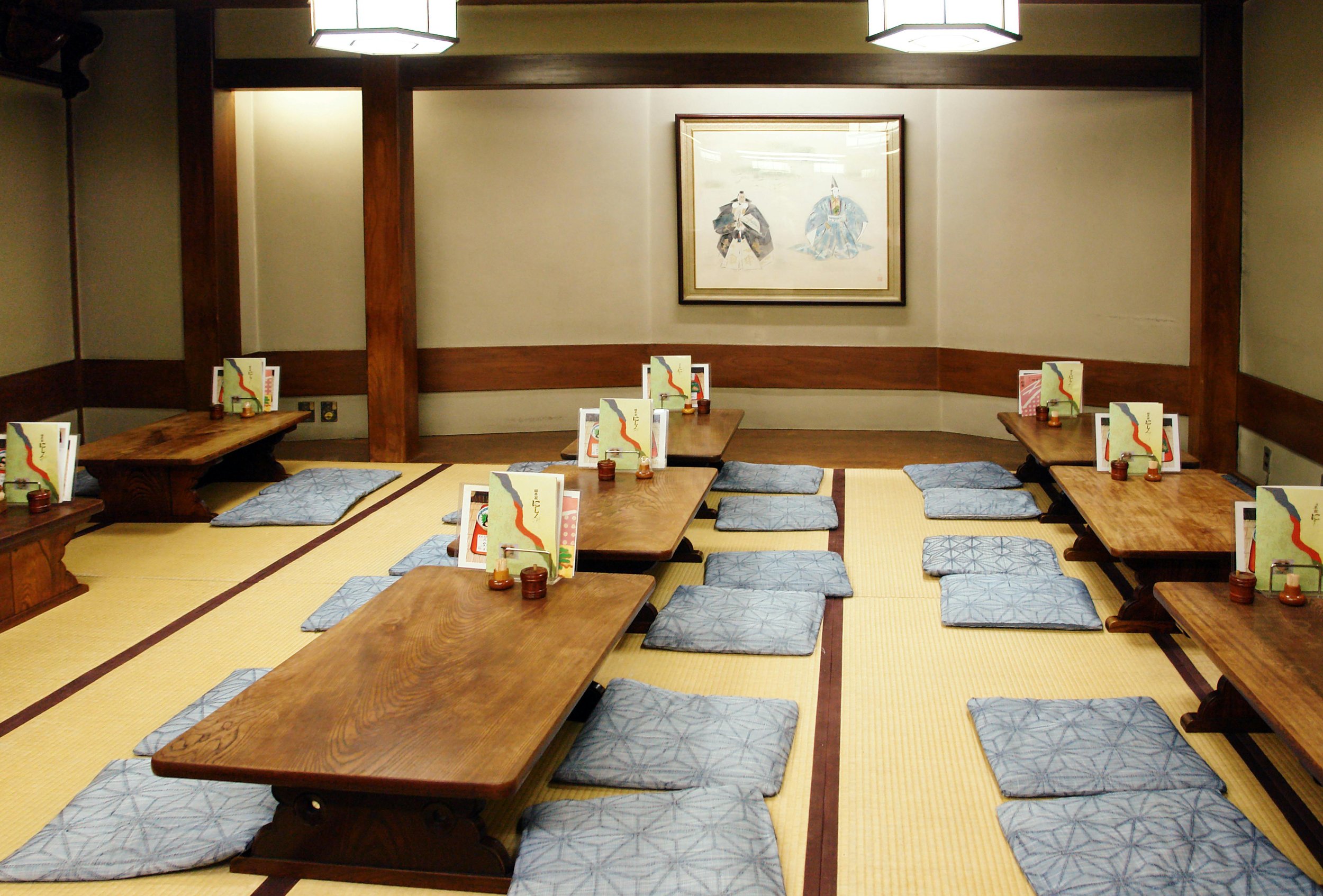
Tatami flooring — soft, woven straw mats that feel warm underfoot
Low table (chabudai) with floor cushions (zabuton) for sitting
Tokonoma — an alcove displaying a scroll, flower arrangement, or seasonal artwork
Shoji screens — sliding paper doors that filter soft light
Futon bedding — laid out by staff on the tatami floor after dinner while you are at the bath
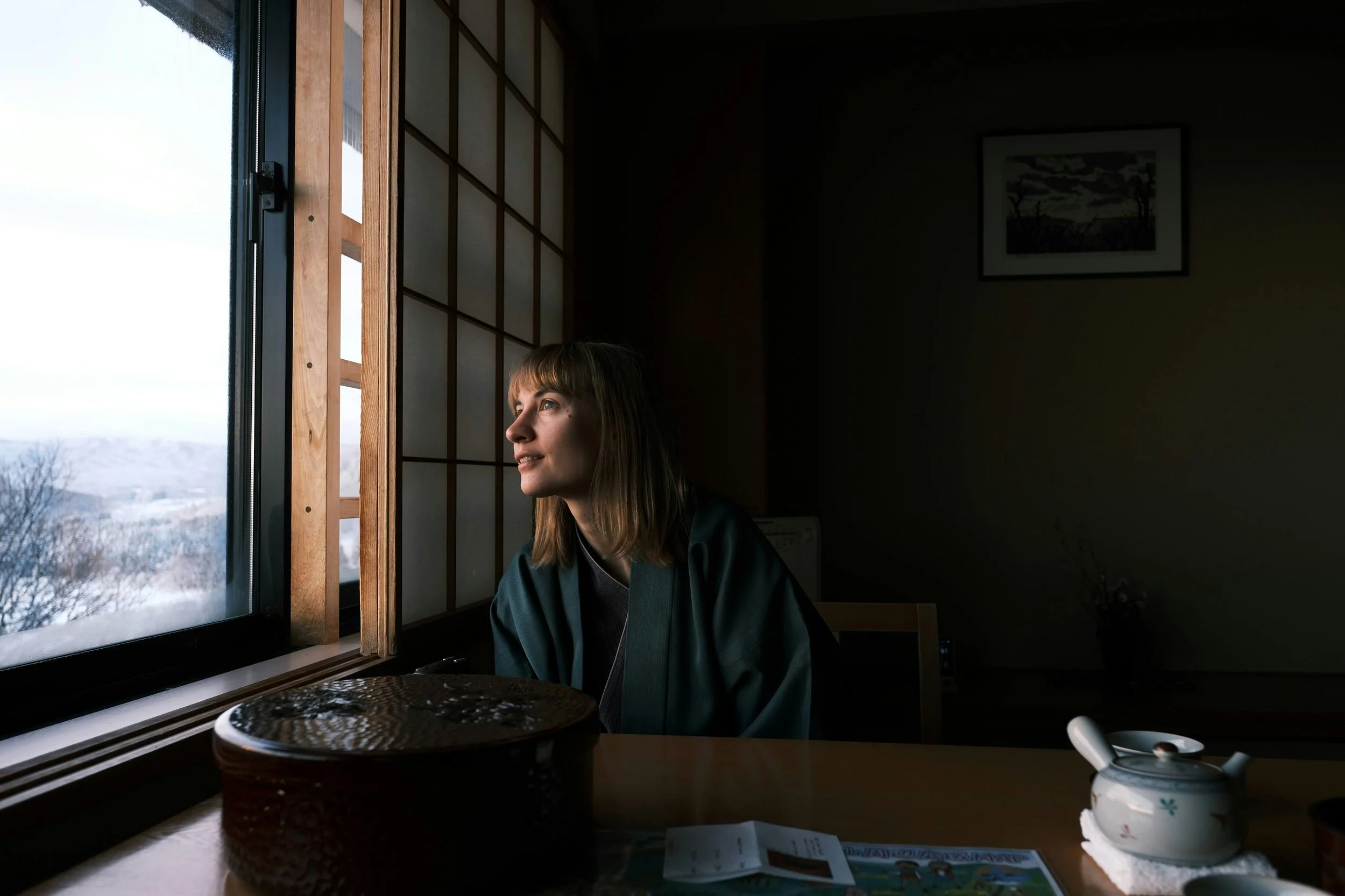
There is no permanent bed. The futon is stored in a closet during the day, giving the room a spacious, minimalist feel. Sleeping on tatami and futon is remarkably comfortable, the floor provides firm, even support.
Many modern ryokan now also offer rooms with Western-style beds for guests who prefer them. Some luxury ryokan feature private open-air baths (rotenburo) on the room's balcony.
The Bath (Onsen)
Most ryokan have communal hot spring baths, separated by gender. The bathing experience follows a strict protocol:
Undress completely in the changing room (lockers are provided)
Wash thoroughly at the seated shower stations before entering the bath — soap, shampoo, and stools are provided
Enter the bath slowly — the water is hot, typically 38–42°C (100–108°F)
Soak and relax — keep conversation quiet, no phones, no splashing
Keep your small towel out of the water — place it folded on your head or on the side
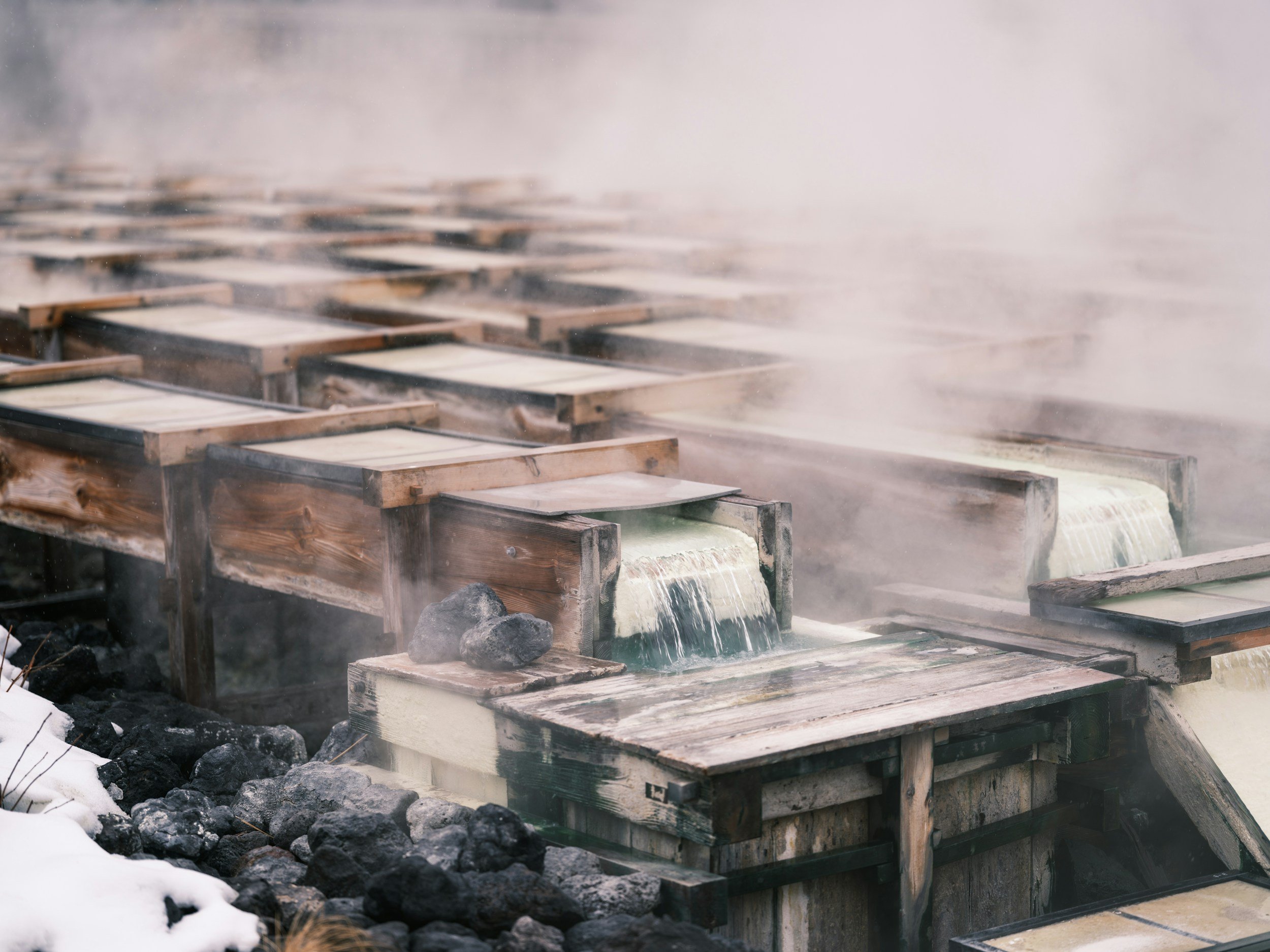
Many ryokan have both indoor baths (uchiburo) and outdoor baths (rotenburo). The outdoor bath is the highlight, imagine soaking in steaming mineral water while looking out at snow-covered mountains, a bamboo forest, or a garden.
Some ryokan also offer kashikiri buro (private baths you can reserve for exclusive use), which is ideal for couples or families, or for guests with tattoos who may be uncomfortable in communal baths.
Dinner (Kaiseki)
Dinner at a ryokan is a culinary event. Kaiseki (会席) is a traditional multi-course meal that changes entirely with the seasons. It typically consists of 8 to 12 small courses, each presented with extraordinary care on handmade ceramic dishes.
A typical kaiseki dinner includes:
Sakizuke — an appetizer to set the seasonal theme
Owan — a clear soup, often with seasonal vegetables and tofu
Sashimi — raw fish, sourced locally when possible
Yakimono — a grilled dish, often fish
Nimono — a simmered dish with vegetables and protein
Gohan — steamed rice, pickles, and miso soup
Mizumono — a light dessert, often fruit or mochi
Dinner is typically served in your room by a dedicated nakai-san (room attendant) or in a private dining room. It begins around 6:00 – 7:00 PM and can last 1.5 to 2 hours.
The quality of ryokan food is exceptional. Many mid-to-high-end ryokan feature chefs trained in Kyoto-style cuisine, using hyper-local, hyper-seasonal ingredients sourced that morning.
After Dinner
While you are at dinner, the staff enters your room to clear the table and lay out your futon bedding. When you return, the room is transformed into a sleeping space. Many guests take a second bath before bed, the onsen is usually open until late at night and again early in the morning.
The silence of a ryokan at night, no traffic, no urban noise, just the sound of water or wind, is deeply peaceful.
Morning
Breakfast is typically served between 7:30 and 9:00 AM and is a traditional Japanese spread: grilled fish (often salmon or mackerel), rice, miso soup, pickled vegetables, tofu, tamagoyaki (rolled omelet), nori (seaweed), and small side dishes. It is light, balanced, and beautifully presented.
Check-out is usually at 10:00 or 11:00 AM.
Types of Ryokan
Traditional Ryokan
Classic tatami rooms, communal onsen, kaiseki dinner and breakfast included. This is the quintessential ryokan experience. Prices typically range from ¥15,000 to ¥40,000 per person per night, including both meals.
Luxury Ryokan
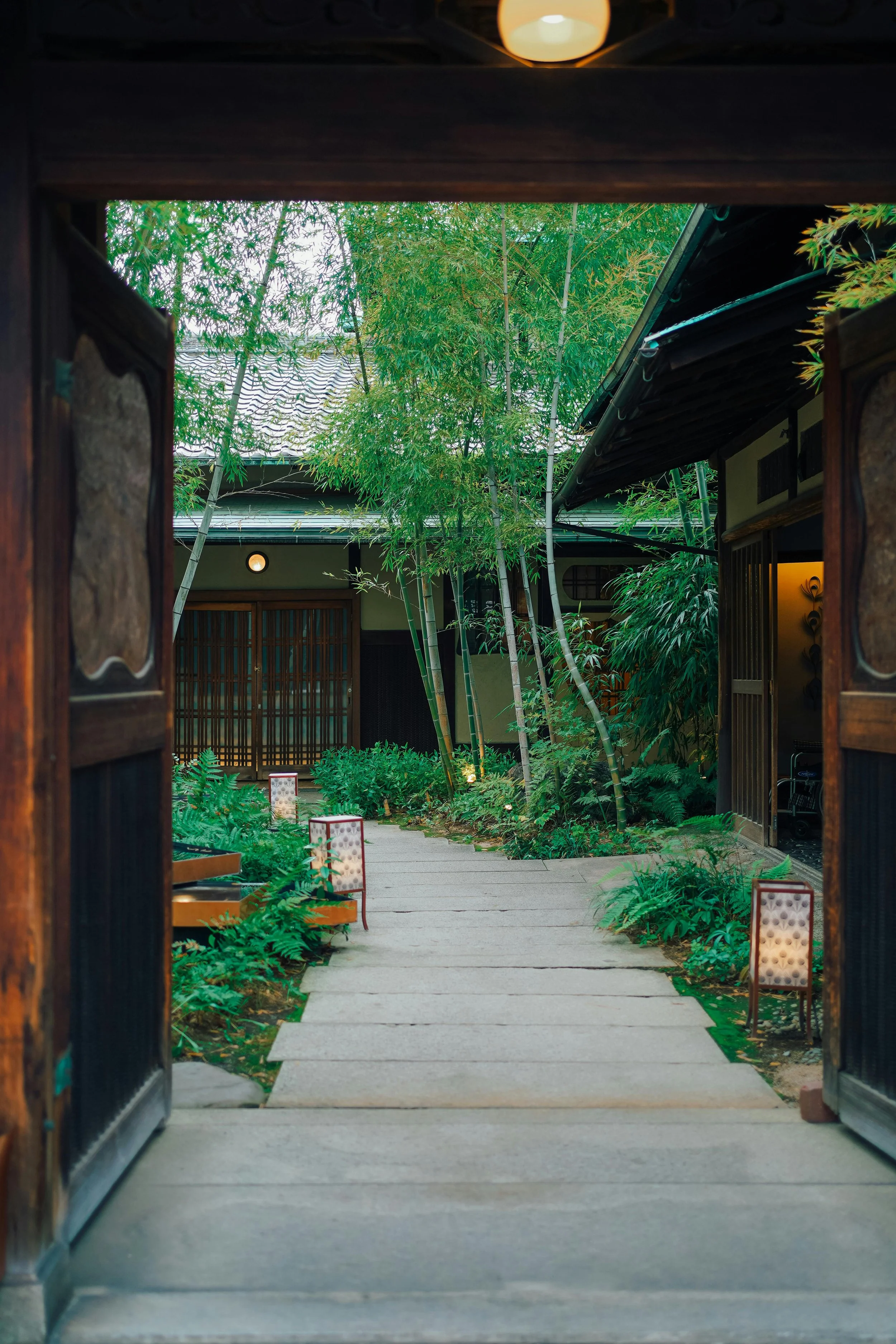
High-end properties with private open-air baths in each room, world-class kaiseki, and impeccable service. Some have only 5–15 rooms, ensuring extreme privacy and attention. Prices range from ¥40,000 to ¥100,000+ per person per night.
Notable luxury ryokan include Hoshinoya properties (Tokyo, Kyoto, Karuizawa), Gora Kadan in Hakone, Beniya Mukayu in Ishikawa, and Asaba in Shuzenji, one of Japan's oldest and most revered ryokan, with over 500 years of history.
Onsen Ryokan
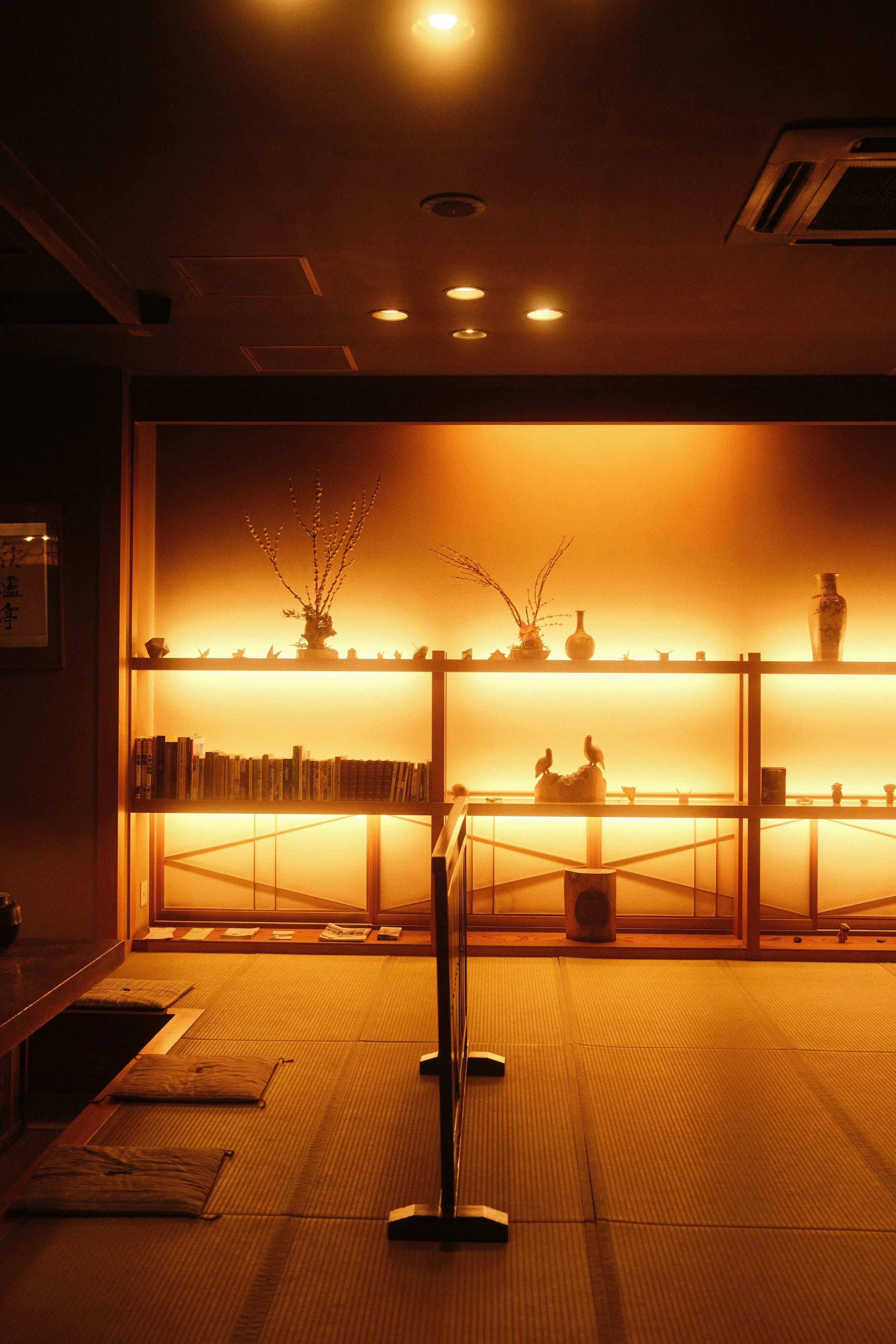
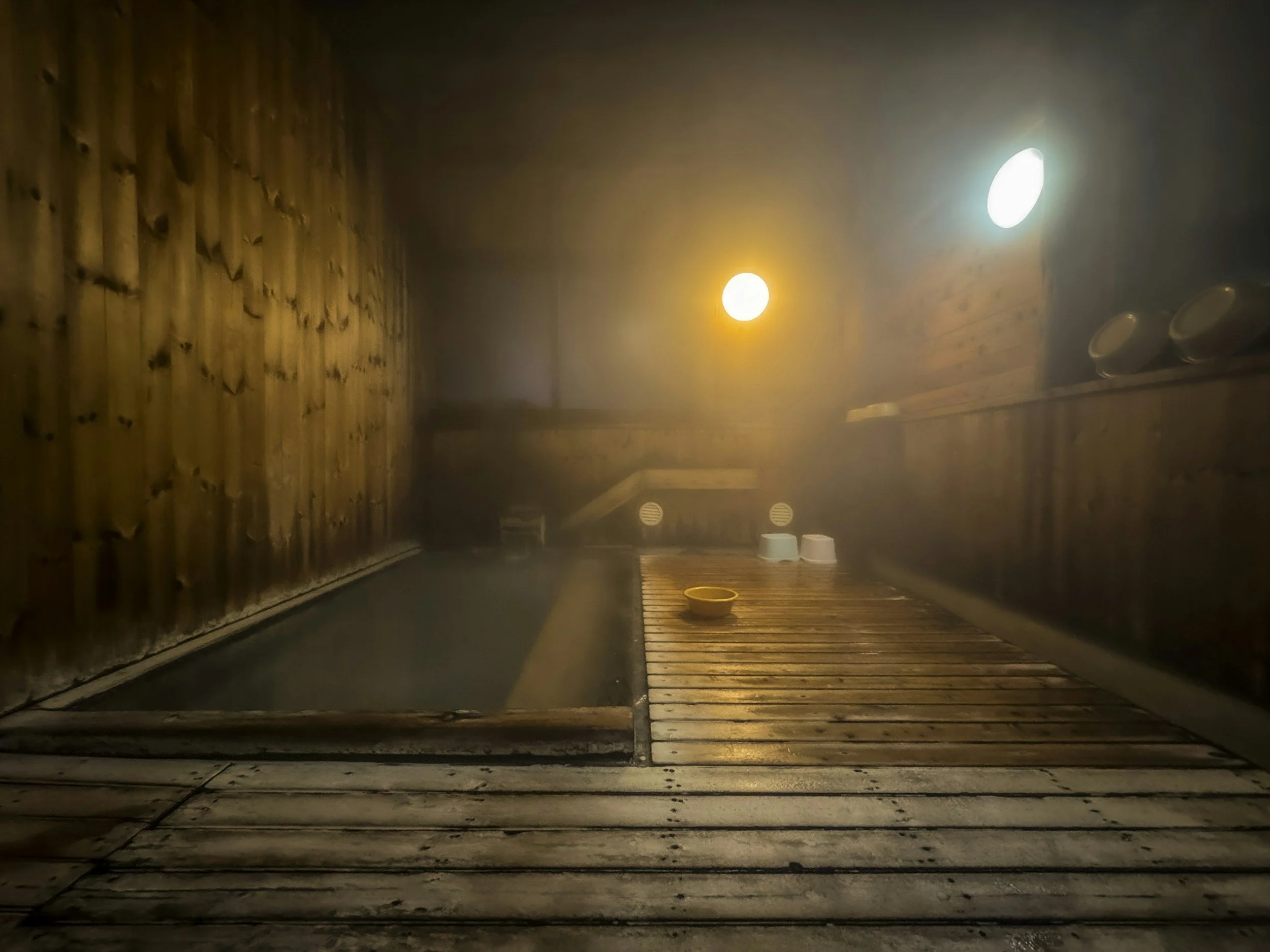
Specifically built around a natural hot spring source. The onsen is the main attraction, and many offer multiple bath types, indoor, outdoor, stone, wood, cave, and rooftop. These are most common in famous hot spring towns.
Budget Ryokan and Minshuku
Simpler accommodations, often family-run, with home-cooked meals. A minshuku is essentially a B&B in Japanese style. Prices can be as low as ¥5,000–¥10,000 per person. The experience is more intimate and casual, with less formality but genuine warmth.
Best Ryokan Regions in Japan
Hakone (Kanagawa)
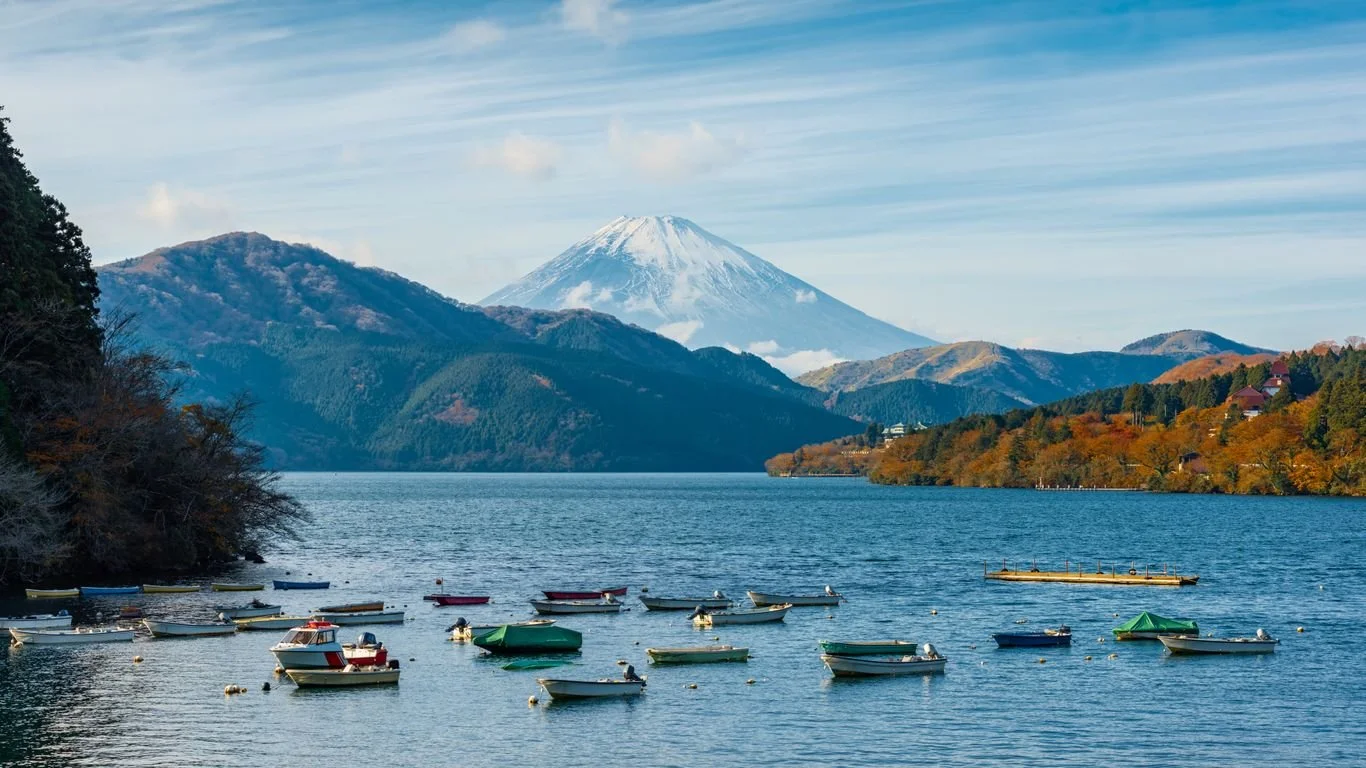
Just 90 minutes from Tokyo by train, Hakone is the most accessible ryokan destination for travelers based in the capital. Set in a volcanic national park with views of Mount Fuji (on clear days), Hakone has hundreds of ryokan ranging from budget-friendly to ultra-luxury. The area is famous for its variety of onsen water types, each with different mineral compositions and purported health benefits.
Kinosaki Onsen (Hyogo)
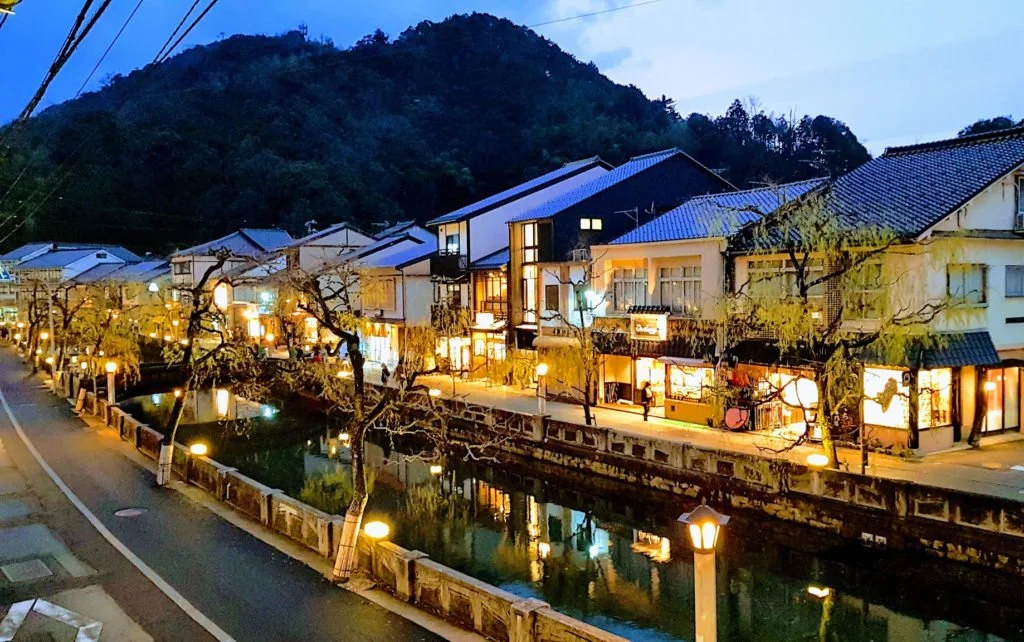
A charming hot spring town on the Sea of Japan coast, about 2.5 hours from Kyoto. Kinosaki is unique because guests are encouraged to stroll between seven public bathhouses (sotoyu meguri) wearing their yukata and wooden geta sandals, hopping from bath to bath through the willow-lined streets. Most ryokan here provide passes to all seven baths. In winter, the local matsuba crab kaiseki is legendary.
Ginzan Onsen (Yamagata)
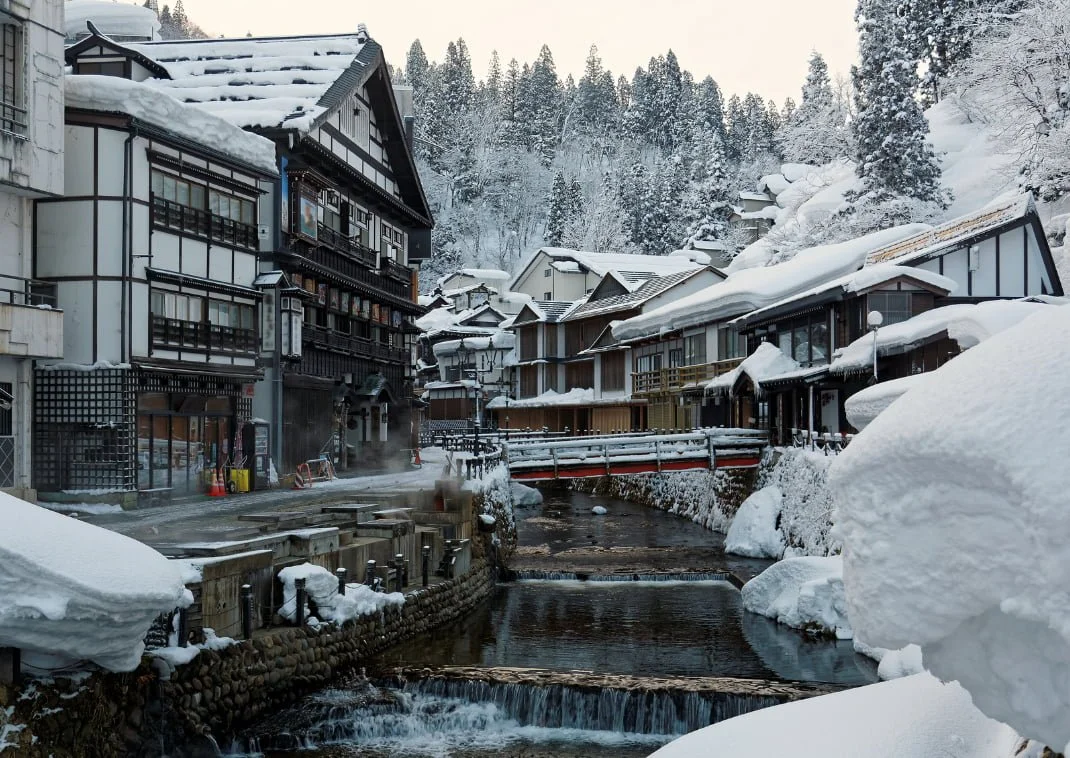
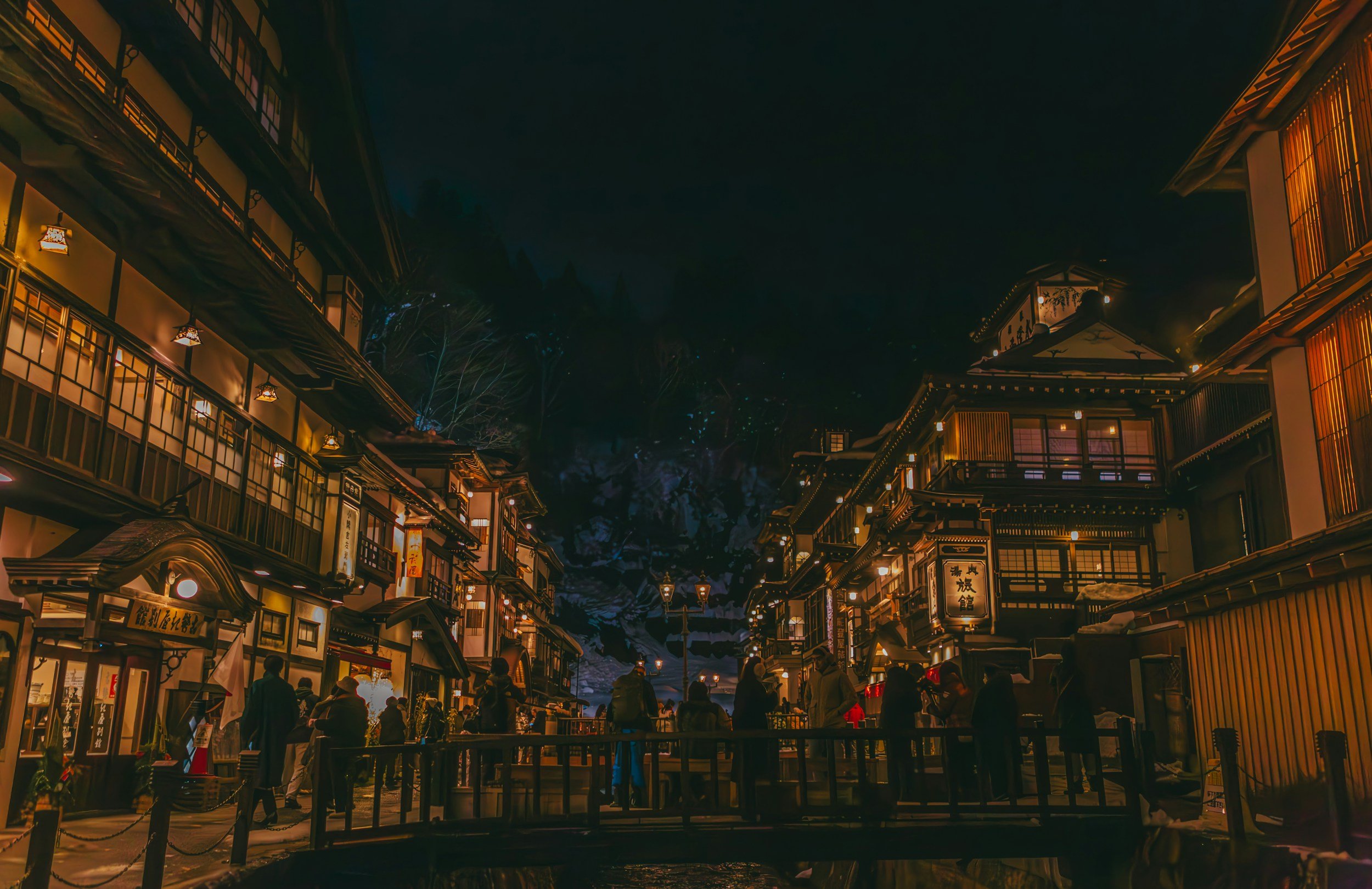
The ryokan town that inspired the bathhouse in Studio Ghibli's Spirited Away. A narrow valley lined with wooden ryokan from the Taisho era (early 1900s), illuminated by gas lamps at night. In winter, when snow blankets the rooftops and steam rises from the river, it is one of the most atmospheric places in all of Japan. Extremely popular, book 3–6 months in advance.
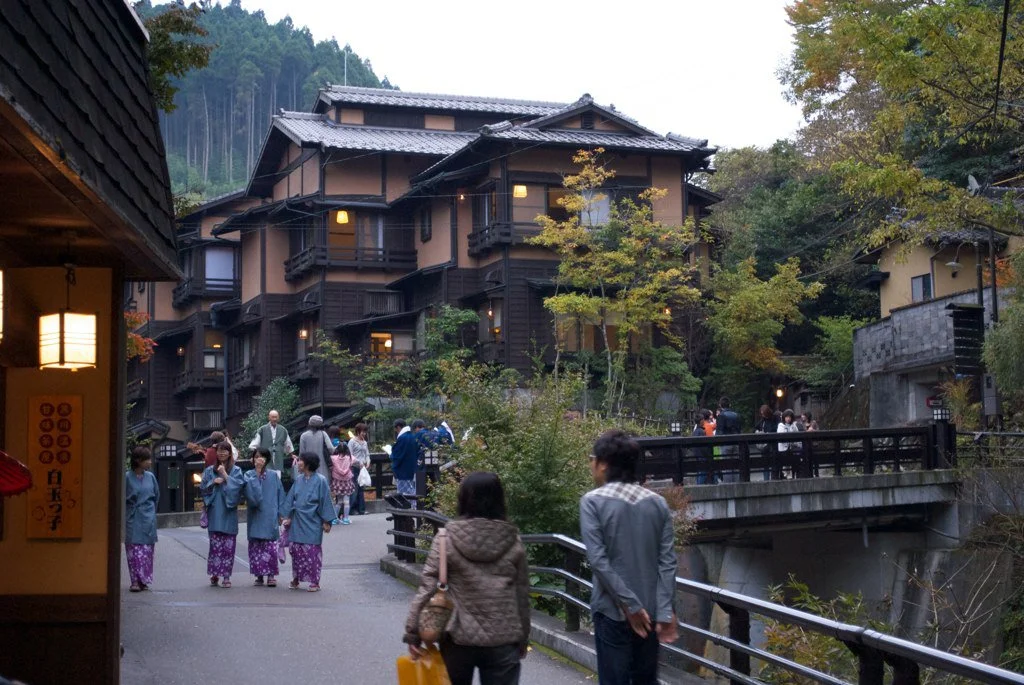
Kurokawa Onsen (Kumamoto, Kyushu)
A secluded hot spring village tucked into a forested gorge in Kyushu. Known for its rustic, nature-immersed atmosphere and rotenburo (outdoor baths) set among rocks and trees. Purchase a tegata (wooden pass) to visit three different ryokan baths of your choice. It feels like stepping back in time.
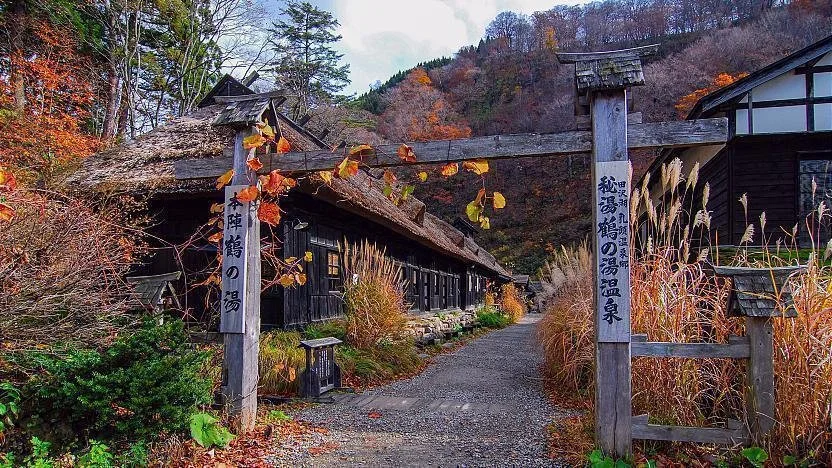
Nyuto Onsen (Akita, Tohoku)
A remote cluster of seven rustic ryokan deep in the mountains of northern Honshu. Famous for its milky-white sulfuric water (especially Tsurunoyu, the oldest and most atmospheric ryokan in the area). This is the place for travelers who want an off-the-grid, deeply traditional onsen experience.
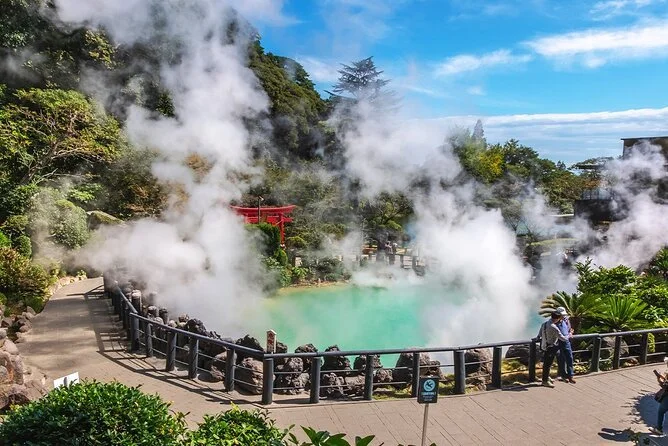
Beppu and Yufuin (Oita, Kyushu)
Beppu is one of Japan's most prolific hot spring cities, producing more hot spring water than almost anywhere else in the world. Yufuin, nearby, is a more refined and quiet alternative with boutique ryokan, art galleries, and views of Mount Yufu. Both offer excellent value compared to more famous onsen towns.
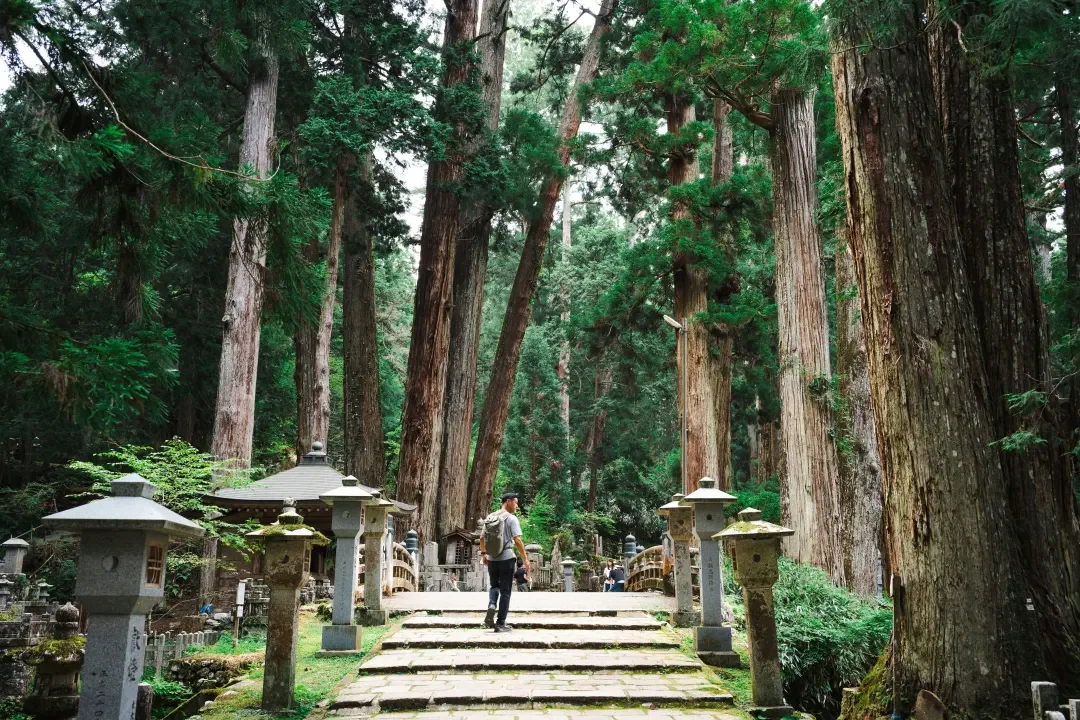
Mount Koya (Wakayama)
Not ryokan in the traditional sense, but temple lodgings (shukubo) on this sacred Buddhist mountain offer a parallel experience: tatami rooms, vegetarian kaiseki (shojin ryori), morning prayer ceremonies, and a walk through the atmospheric Okunoin cemetery. It is one of the most spiritual overnight experiences in Japan.
Ryokan Etiquette: The Essential Rules
Remove your shoes at the entrance. Slippers are provided for indoor areas; separate toilet slippers are provided in bathrooms.
Wear your yukata freely throughout the ryokan — it is your attire for the entire stay. When wearing it, wrap the left side over the right (right over left is reserved for the deceased).
Wash before entering the bath — always. The bath water is shared and must stay clean.
No swimwear in the onsen. You enter nude. Most baths are gender-separated.
Keep small towels out of the bath water. Place them on your head or beside the pool.
Be quiet in the bath area — it is a place of relaxation, not socializing.
Arrive on time for dinner. Kaiseki is prepared fresh and timed precisely. Being late disrupts the kitchen's flow.
Don't rearrange the room. The staff will set up and clear the futon at specific times.
Tipping is not practiced. Excellent service is the standard, not something earned through tips.
Check tattoo policies in advance. Many onsen still prohibit visible tattoos due to historical associations with yakuza. However, this is gradually changing — some ryokan now offer private baths or tattoo-friendly hours. Always ask before booking.
What to Pack for a Ryokan Stay
Minimal luggage — ryokan rooms are compact. Use takkyubin (luggage forwarding) to send large bags ahead.
Moisturizer and skincare — onsen water can dry your skin. Most ryokan provide basic amenities, but bring your own if you have preferences.
A small waterproof bag — useful for carrying your phone and room key to the bath.
Warm socks (in winter) — tatami hallways can be cold in traditional buildings.
An open mind — the futon, the communal bathing, the unfamiliar food. Embrace it all.
You do NOT need to bring a towel, toiletries, or sleepwear, the ryokan provides everything.
How to Book a Ryokan
Booking.com and Agoda — largest selection of ryokan, with English-language reviews and free cancellation on many properties
Rakuten Travel — popular Japanese booking platform, sometimes has exclusive ryokan not listed elsewhere
Japanese Guest Houses (japaneseguesthouses.com) — specializes in ryokan and minshuku with detailed descriptions
Directly through the ryokan's website — some offer better rates or special packages for direct bookings. Google Translate works well on most Japanese booking pages.
Book early for peak seasons: cherry blossom (late March – early April), autumn foliage (November), New Year (December 31 – January 3), and Golden Week (late April – early May).
How Much Does a Ryokan Cost?
CategoryPrice per Person per NightIncludesBudget / Minshuku¥5,000 – ¥10,000 ($35–$70)Room + sometimes breakfastMid-range¥15,000 – ¥30,000 ($100–$200)Room + dinner + breakfastHigh-end¥30,000 – ¥60,000 ($200–$400)Room + kaiseki dinner + breakfast + premium serviceUltra-luxury¥60,000 – ¥150,000+ ($400–$1,000+)Suite + private onsen + multi-course kaiseki + personalized service
Note: Ryokan prices are almost always quoted per person, not per room and they typically include dinner and breakfast. This is important when comparing with hotel prices, which are per room and rarely include meals.
Our Recommendation
If there is one thing you do in Japan that you have never done before, make it a ryokan stay. Even just one night transforms your understanding of Japanese culture, the attention to detail, the reverence for nature and seasons, the quiet, deliberate beauty of it all.
For first-time ryokan guests, we recommend starting with a mid-range property in Hakone (convenient from Tokyo) or Kinosaki Onsen (easy from Kyoto). These towns have a high concentration of excellent ryokan with English-friendly service, making the experience accessible without sacrificing authenticity.
At Japan Horizons, we handpick ryokan for every itinerary based on your comfort level, budget, and the kind of experience you want, from rustic mountain retreats to sleek modern onsen resorts. We know which properties welcome international guests warmly, which have private baths for those concerned about tattoo policies, and which serve the best kaiseki in each region.
Want us to find the perfect ryokan for your trip? Start planning your custom Japan itinerary or explore our curated tours.
Sources & Further Reading:
Japan National Tourism Organization — japan.travel
Japan Guide — japan-guide.com/e/e2029.html
Selected Onsen Ryokan — selected-ryokan.com
The Ryokan Collection — ryokancollection.com
