

Japan has a reputation for being expensive and while it can be, it doesn't have to be. The truth is that Japan offers incredible value at every price point, from ¥800 bowls of world-class ramen to luxury ryokan stays that rival any five-star resort on earth. The key is knowing where your money goes and how to plan smartly. This guide breaks down real costs for 2026, covers every budget level, and shares insider tips to help you get the most out of every yen.
The Quick Answer: What Will You Actually Spend?
Here is a realistic daily budget breakdown for Japan in 2026, based on current prices and exchange rates:
Budget LevelDaily Cost Per Person10-Day Trip TotalWhat It Looks LikeBudget¥12,000 – ¥18,000 ($80 – $120)$800 – $1,200Hostels, convenience store meals, local trains, free attractionsMid-range¥25,000 – ¥40,000 ($170 – $270)$1,700 – $2,700Business hotels, sit-down restaurants, Shinkansen, paid activitiesComfort¥40,000 – ¥70,000 ($270 – $470)$2,700 – $4,700Good hotels, 1-2 ryokan nights, quality dining, guided experiencesLuxury¥70,000 – ¥150,000+ ($470 – $1,000+)$4,700 – $10,000+Luxury ryokan, kaiseki dinners, private tours, first-class trains
These figures do not include international flights, which typically add $600–$1,500 per person from Europe or North America.
One important note: the Japanese yen has been weak in recent years, making Japan significantly more affordable for Western travelers than it was a decade ago. In 2026, the rate hovers around ¥145–155 to the US dollar and roughly ¥160–170 to the euro. This is a historically good time to visit.
Flights: Getting to Japan
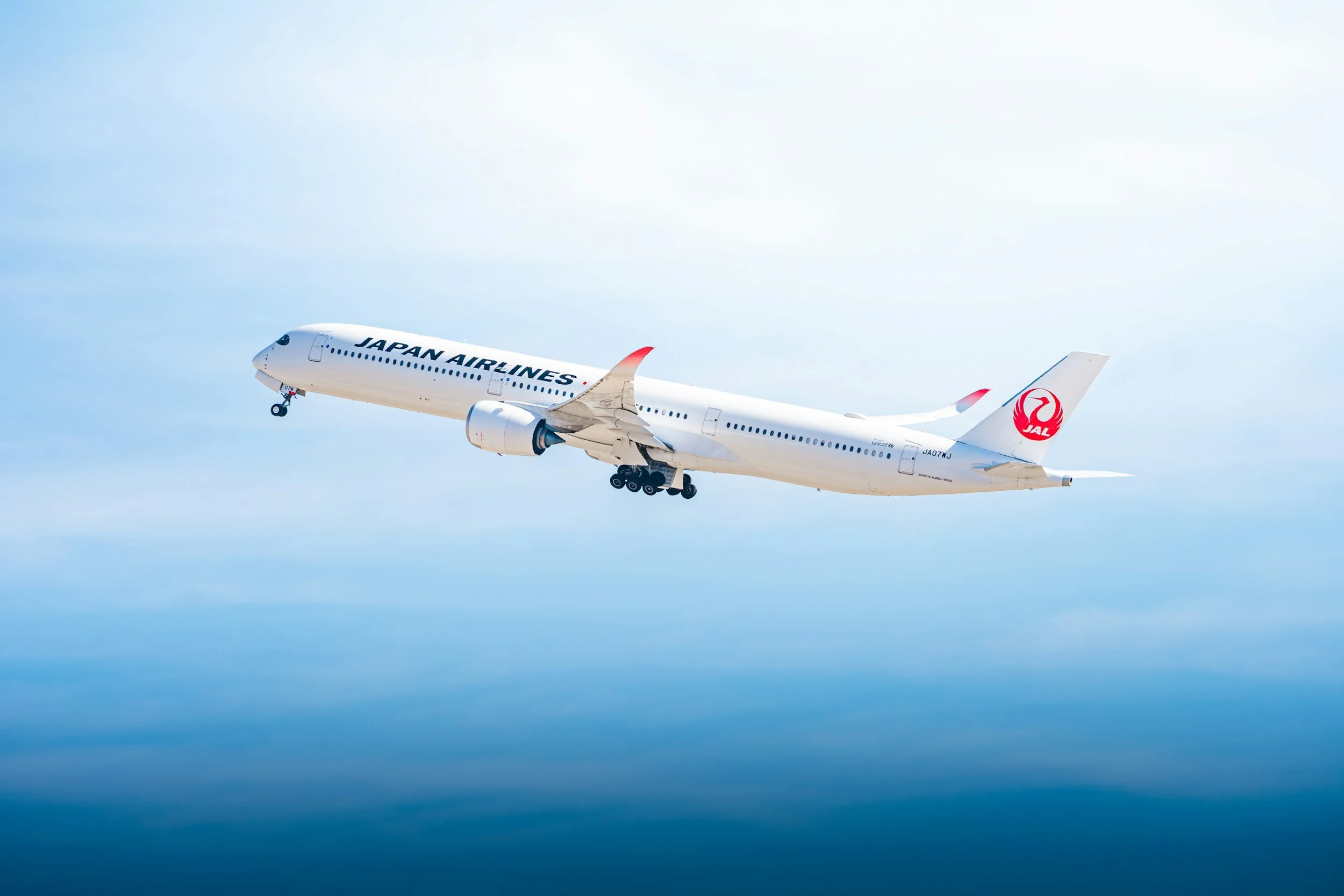
International flights are your single biggest fixed expense.
Departure RegionEconomy Round TripPeak SeasonWestern Europe (Paris, London, Amsterdam)€600 – €1,200+30–50% during cherry blossom and Golden WeekEastern US (New York, Boston)$900 – $1,400Similar peak premiumsWestern US (Los Angeles, San Francisco)$700 – $1,100Shorter flight time, often cheaper
Money-saving tips for flights:
Book 3–6 months in advance for the best prices
Fly midweek (Tuesday–Thursday) for significantly lower fares
Consider flying into Osaka (KIX) and out of Tokyo (NRT/HND), or vice versa, open-jaw tickets avoid backtracking and are often the same price as round trips
Off-season months (January, February, June, early September) offer the cheapest fares
Use Google Flights or Skyscanner to track prices over time
Accommodation: Where to Sleep
Japan offers an extraordinary range of accommodation types. Here is what each costs per night in 2026:
Budget Options
Hostels and Capsule Hotels: ¥2,500 – ¥5,000 ($17 – $35) per person Japan's hostels are clean, safe, and often beautifully designed. Capsule hotels, those iconic sleeping pods — are a uniquely Japanese experience worth trying at least once. Modern capsule hotels like Nine Hours and First Cabin are closer to boutique hotels than budget crash pads.
Guesthouses and Minshuku: ¥4,000 – ¥8,000 ($27 – $55) per person Family-run Japanese-style guesthouses with tatami rooms. Meals may or may not be included. Great for cultural immersion on a budget.
Mid-Range Options
Business Hotels: ¥8,000 – ¥15,000 ($55 – $100) per room The workhorse of Japanese accommodation. Compact, impeccably clean rooms with everything you need: private bathroom, Wi-Fi, TV, and often a coin laundry in the building. Chains like Toyoko Inn, Dormy Inn (many have free onsen baths), and APA Hotels are reliable nationwide.
Western-Style Hotels: ¥12,000 – ¥25,000 ($80 – $170) per room International chains (Marriott, Hyatt, Hilton) and Japanese equivalents are available in all major cities. Rooms are typically smaller than Western equivalents but well-appointed.
Premium Options
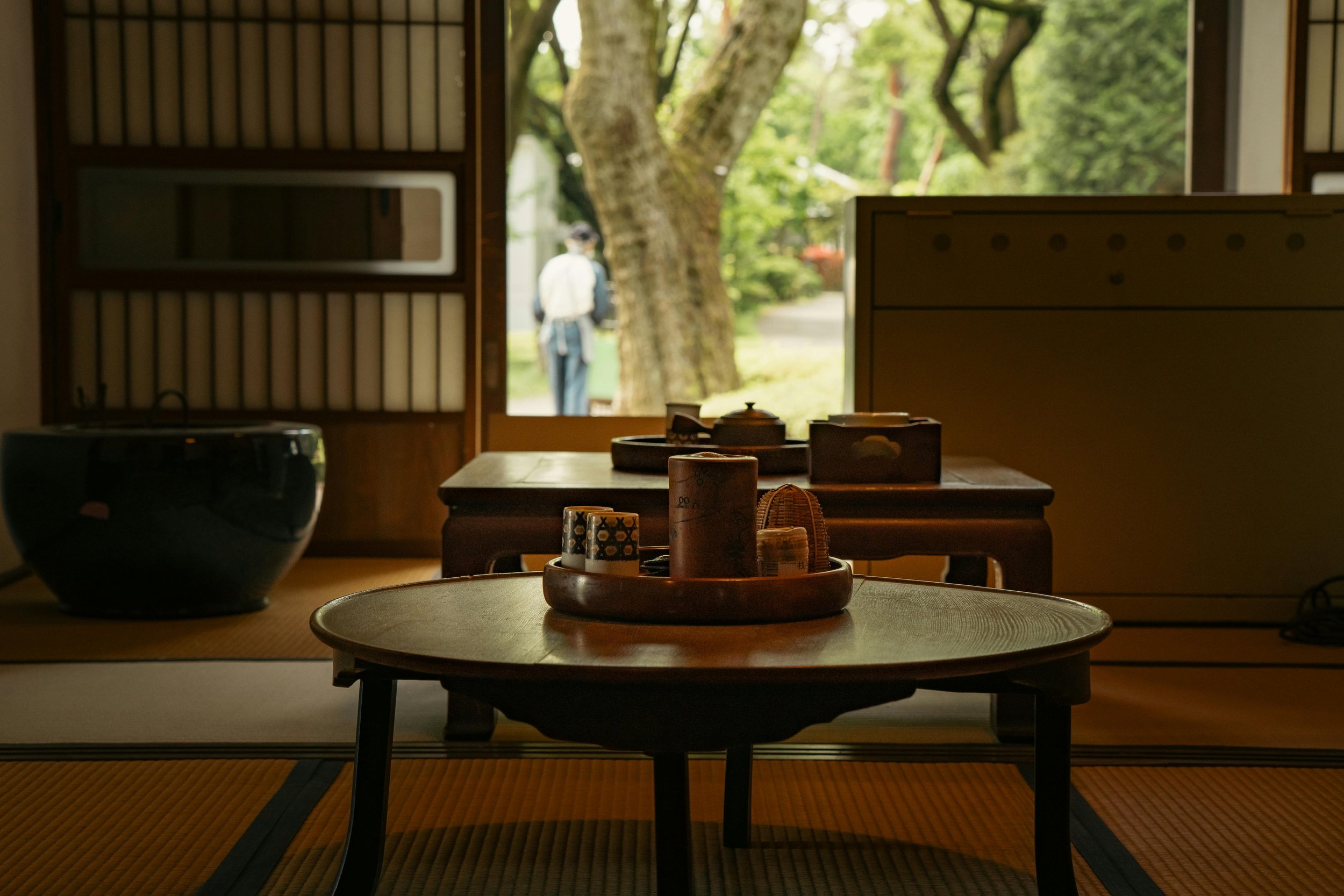
Ryokan (Traditional Inns): ¥15,000 – ¥60,000+ ($100 – $400+) per person Prices are per person and usually include dinner (kaiseki) and breakfast. A mid-range ryokan with meals offers extraordinary value compared to a Western hotel plus two restaurant meals. Read our complete Ryokan Guide for details.
Luxury Hotels and Resorts: ¥30,000 – ¥100,000+ ($200 – $670+) per room Properties like Aman Tokyo, Park Hyatt Tokyo, and the Ritz-Carlton Kyoto set global standards for luxury hospitality.
Smart Accommodation Tips
Mix it up. Stay in business hotels in cities where you are out all day, and splurge on one or two ryokan nights in scenic areas like Hakone or Kinosaki.
Book early for peak season. Cherry blossom season (late March – early April) and autumn foliage (mid-November in Kyoto) can double prices and sell out months ahead.
Dormy Inn is a traveler favorite, mid-range prices, but most locations include a free rooftop onsen and complimentary late-night ramen.
Food: Japan's Best-Kept Budget Secret
Here is the truth about eating in Japan: the food is incredible at every price point. A ¥900 bowl of ramen from a tiny specialist shop in Tokyo is as good as, or better than, a $25 noodle dish in New York or London. Japan's food quality floor is simply higher than most countries.
Daily Food Costs
MealBudgetMid-RangeSplurge
Breakfast : ¥300 – ¥500 (convenience store onigiri, bread, coffee)¥800 – ¥1,500 (café or hotel breakfast)¥2,000+ (hotel buffet)
Lunch : ¥500 – ¥1,000 (ramen, udon, curry, teishoku set meal)¥1,000 – ¥2,000 (restaurant lunch special)¥3,000+ (sushi counter, tempura)
Dinner : ¥800 – ¥1,500 (izakaya, gyudon chain, curry house)¥2,000 – ¥4,000 (sit-down restaurant, yakitori)¥5,000 – ¥30,000+ (kaiseki, omakase sushi)
Snacks & Drinks : ¥300 – ¥500¥500 – ¥1,000¥1,000+
Daily Total : ¥2,000 – ¥3,500 ($14 – $24)¥4,000 – ¥8,000 ($27 – $55)¥10,000 – ¥35,000+ ($67 – $235+)
Where to Eat Well on a Budget
Convenience stores (konbini): This cannot be overstated, Japanese convenience stores sell genuinely good food. Onigiri (rice balls) for ¥150, bento boxes for ¥500, fresh sandwiches, salads, and even hot fried chicken. 7-Eleven, FamilyMart, and Lawson are your budget best friends.
Lunch specials (ranchi): Most restaurants offer set lunch menus at 30–50% less than dinner prices. A restaurant that charges ¥5,000 for dinner often serves a ¥1,200 lunch set with the same quality ingredients.
Standing restaurants and food courts: Department store basements (depachika) and train station food courts serve excellent meals at reasonable prices. Ramen shops, udon stands, and gyudon (beef bowl) chains like Yoshinoya and Matsuya serve filling meals for under ¥800.
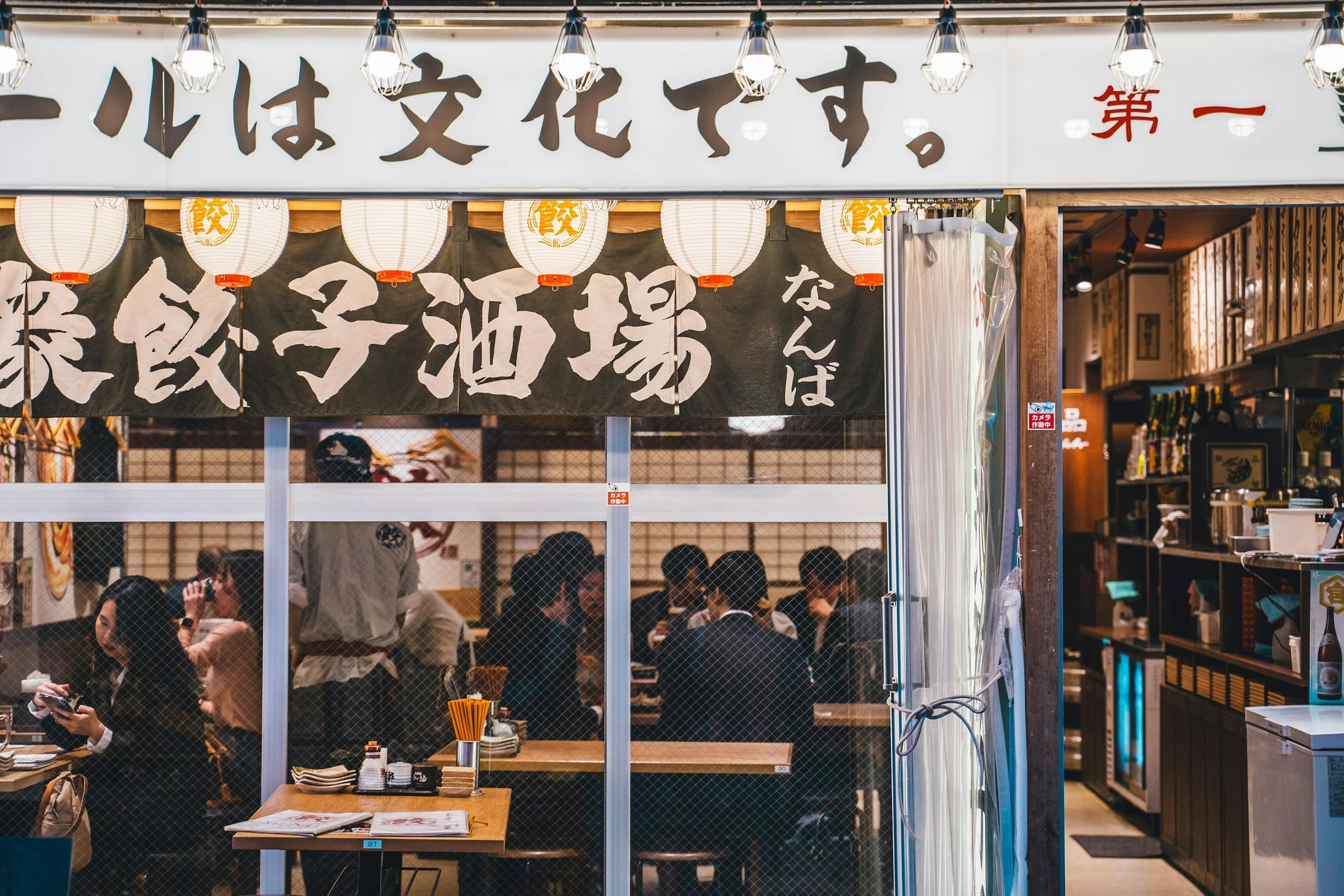
Izakaya chains: Casual Japanese pubs like Torikizoku offer yakitori and drinks at remarkably low prices. Perfect for a fun, affordable evening out.
No Tipping
Japan has no tipping culture. The price you see is the price you pay. There is no tax confusion either, displayed prices at restaurants include consumption tax. This alone makes dining in Japan feel more affordable than equivalent meals in Western countries where tax and tip add 25–30% to the bill.
Transportation: Getting Around
Long-Distance Travel
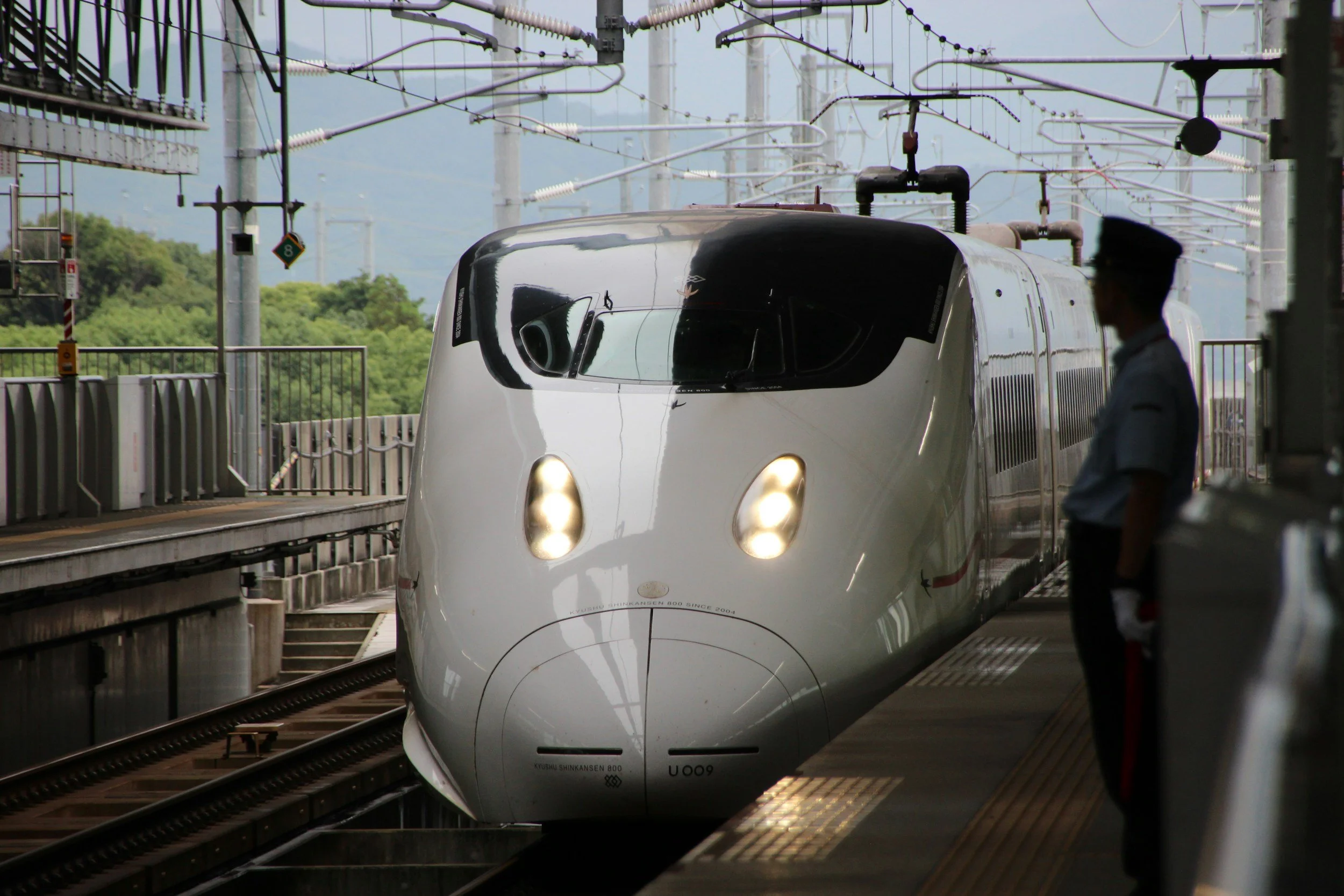
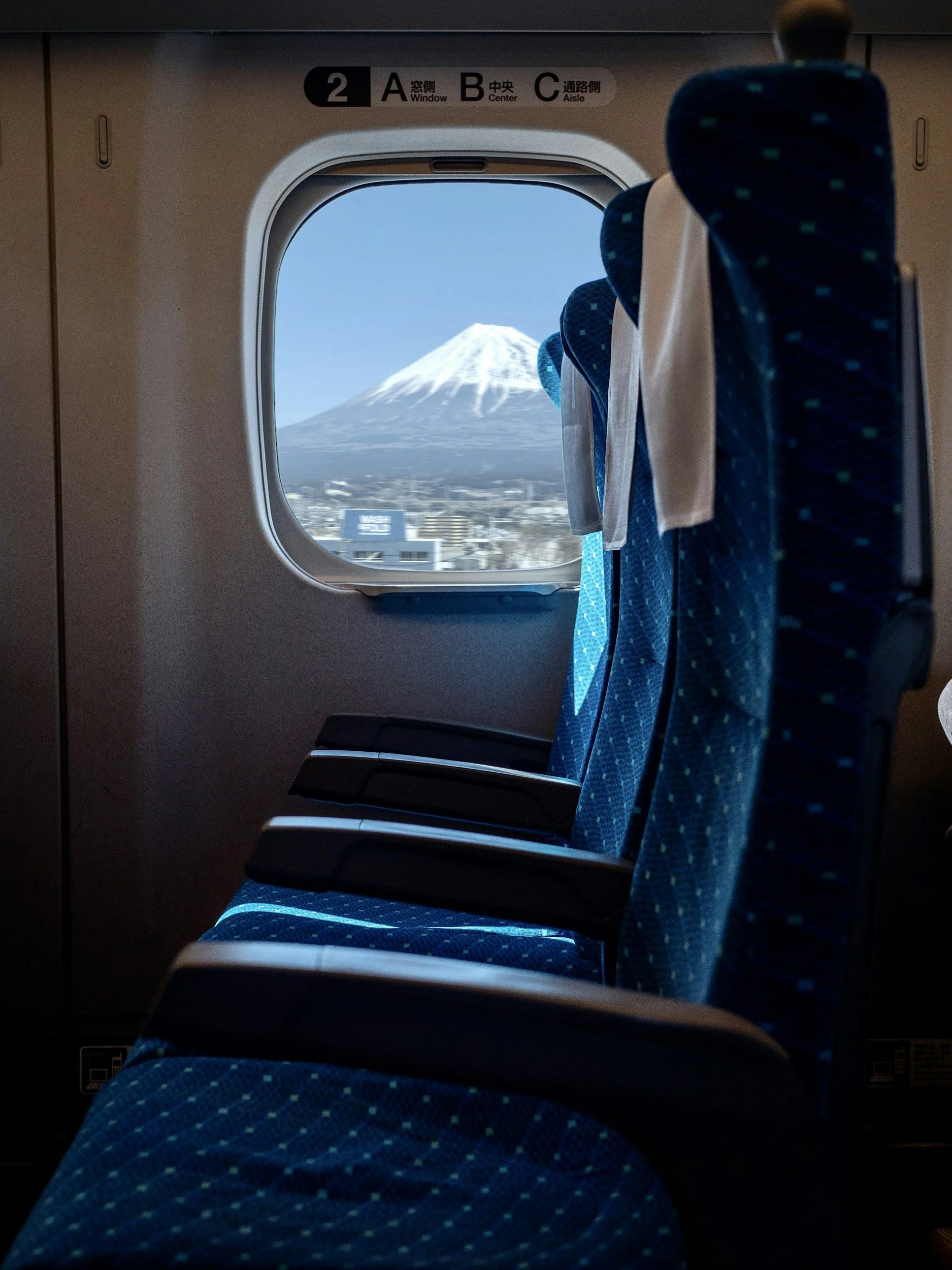
The Shinkansen (bullet train) is fast and comfortable, but it is also the most expensive part of many Japan itineraries.
RouteOne-Way FareDurationTokyo → Kyoto¥14,170 ($95)2h 15minTokyo → Osaka¥14,720 ($100)2h 30minTokyo → Hiroshima¥19,760 ($132)4hKyoto → Hiroshima¥12,210 ($82)1h 40minTokyo → Kanazawa¥14,580 ($97)2h 30min
JR Pass: is it worth it in 2026?
After a significant price increase in October 2023, the 7-day JR Pass costs ¥50,000 ($335). It is only worth it if your individual Shinkansen tickets would exceed that amount. For a simple Tokyo → Kyoto → Tokyo trip, individual tickets (about ¥28,000 round trip) are cheaper than the pass.
The JR Pass becomes worthwhile when you are visiting three or more cities with long Shinkansen rides — for example, Tokyo → Kyoto → Hiroshima → Osaka.
Budget alternative: Highway buses connect major cities at a fraction of the Shinkansen price. Tokyo to Osaka by overnight bus costs ¥3,000 – ¥6,000 — you save on both transport and one night's accommodation.
City Transportation
TransportCostSingle subway/train ride¥170 – ¥400 ($1.15 – $2.70)Day pass (Tokyo Metro)¥600 ($4)Day pass (Kyoto Bus)¥700 ($4.70)IC card (Suica/Pasmo) per day¥500 – ¥1,500 average ($3.40 – $10)Taxi (short ride)¥700 – ¥2,000 ($4.70 – $13.40)
Get an IC card on day one. Suica, Pasmo, or ICOCA, they all work everywhere and save you from buying individual tickets at machines. Digital Suica on iPhone is the most convenient option.
Money-Saving Transport Tips
Walk. Japanese cities are safe, clean, and fascinating on foot. Many of Tokyo's best neighborhoods (Shibuya to Harajuku, Asakusa to Ueno) are walkable.
Use luggage forwarding (takkyubin). Instead of hauling suitcases on trains, send them ahead to your next hotel for about ¥2,000 per bag. Yamato Transport (Kuroneko) is available at every convenience store and hotel front desk. Travel light and enjoy the journey.
Consider regional passes instead of the full JR Pass. The Kansai Area Pass (¥2,800 for 1 day) or JR Tokyo Wide Pass (¥15,000 for 3 days) can be better value for focused itineraries.
Activities and Attractions
Free and Low-Cost Attractions
Japan is full of free things to do:
Shinto shrines are almost always free to enter (Meiji Jingu in Tokyo, Fushimi Inari in Kyoto, Itsukushima in Miyajima)
Parks and gardens — many are free (Ueno Park, Imperial Palace East Gardens, Ohori Park in Fukuoka)
Neighborhood exploring — Akihabara, Harajuku, Dotonbori, Nishiki Market, the street life is the attraction
Hiking — Japan has spectacular free hiking: Kumano Kodo, Kamikochi, Mount Takao (45 minutes from Tokyo)
Festivals (matsuri) — completely free to attend and experience
Paid Attractions
AttractionCostBuddhist temples (average)¥300 – ¥800 ($2 – $5.40)Major castles (Himeji, Osaka)¥600 – ¥1,000 ($4 – $6.70)Museums (average)¥500 – ¥2,000 ($3.40 – $13.40)TeamLab exhibitions¥3,800 – ¥4,800 ($25 – $32)Studio Ghibli Museum¥1,000 ($6.70), book months aheadSumo tournament¥3,800 – ¥15,000 ($25 – $100)Tea ceremony experience¥2,000 – ¥5,000 ($13.40 – $33.50)
For most travelers, activities and entrance fees are actually one of the smaller budget categories. You can fill an entire day with memorable experiences for under ¥2,000.
New for 2026: Costs to Know About
Several changes have been introduced that affect tourist budgets:
International Tourist Tax has increased from ¥1,000 to ¥3,000 per person. It is automatically included in your outbound flight ticket, you do not need to pay it separately.
Kyoto accommodation tax now ranges from ¥200 to ¥1,000 per night depending on room rate.
Tax-free shopping changes: Starting November 2026, you pay full price including the 10% consumption tax upfront and claim a refund at the airport. This means you need more cash on hand for shopping.
Dual pricing has been introduced at some major attractions, with international visitors paying a premium over domestic visitors. This trend is expanding in 2026.
Sample Budgets: Three Real Itineraries
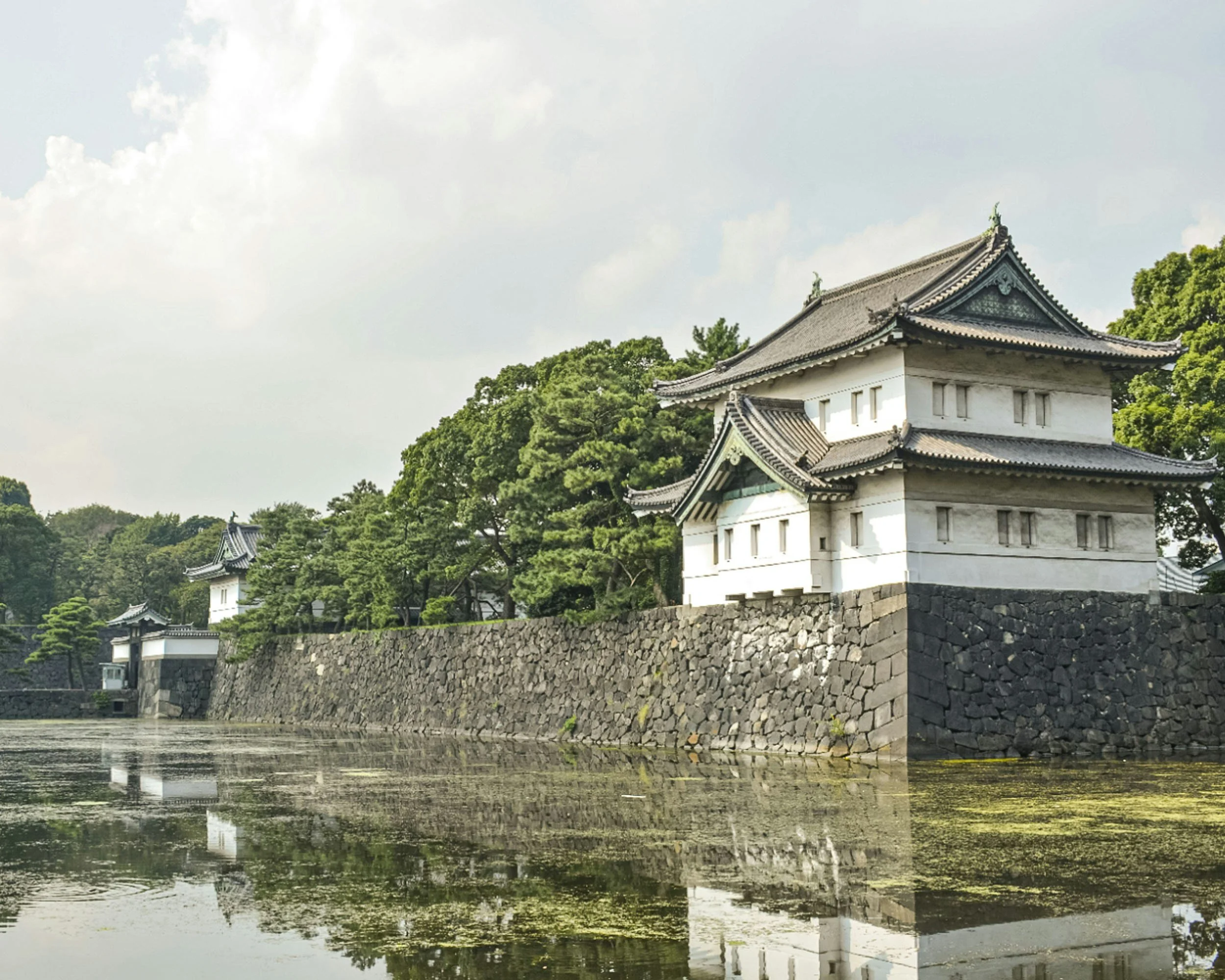
Budget Traveler: 10 Days for ~$1,500 (excluding flights)
Stay in hostels and capsule hotels ($30/night)
Eat at convenience stores and ramen shops ($20/day for food)
Use local trains and buses, no JR Pass ($15/day transport)
Visit free shrines, parks, and neighborhoods
One splurge: conveyor belt sushi dinner ($15)
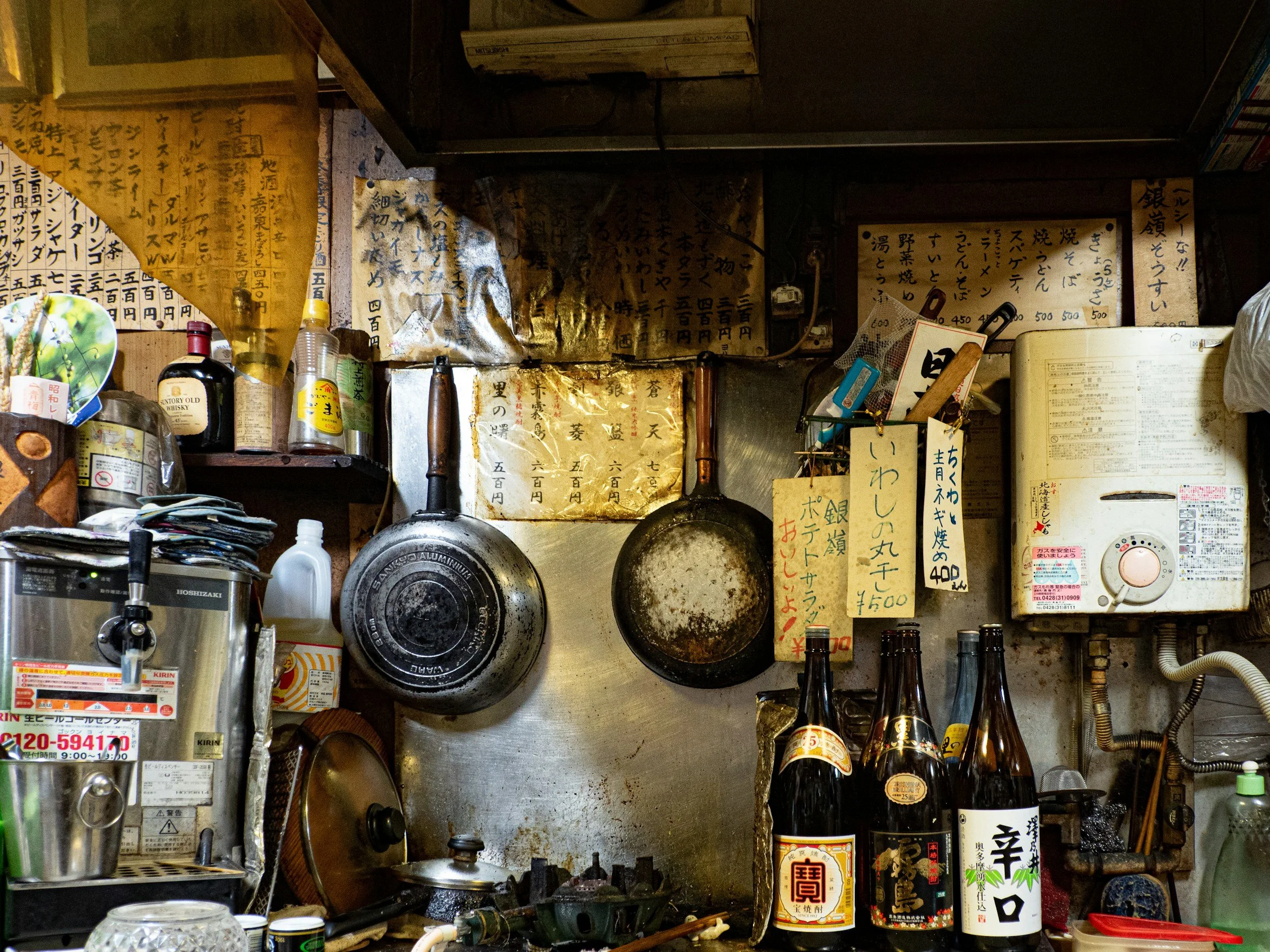
Mid-Range Traveler: 10 Days for ~$3,500 (excluding flights)
Mix of business hotels and one ryokan night ($80/night average)
Restaurant lunches, izakaya dinners ($45/day for food)
7-day JR Pass for Tokyo-Kyoto-Hiroshima-Osaka loop ($335)
Paid attractions, one cooking class, one tea ceremony ($15/day)
One splurge: omakase sushi counter ($80)
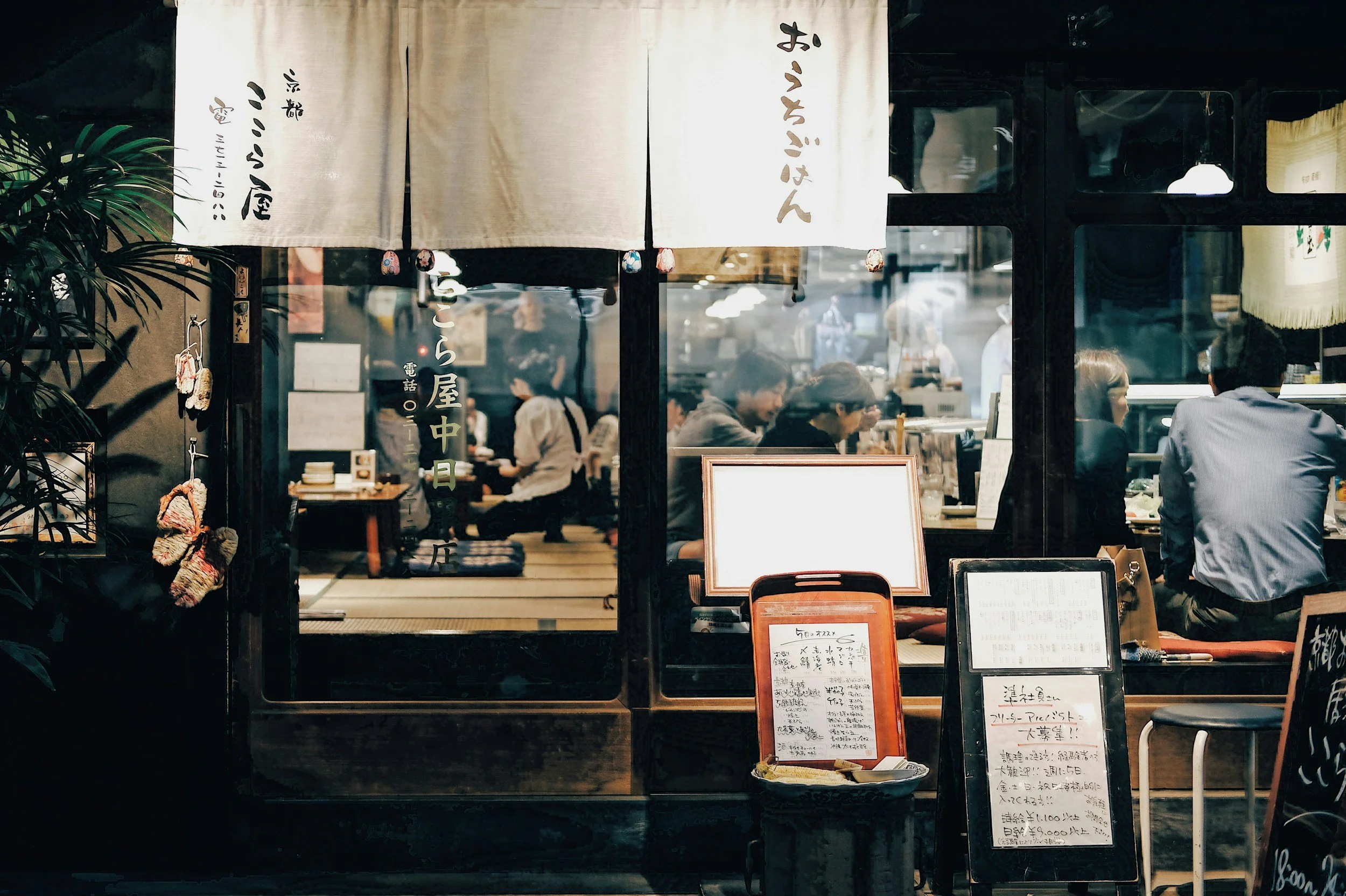
Comfort Traveler: 10 Days for ~$5,500 (excluding flights)
Boutique hotels in cities, two ryokan nights with kaiseki ($150/night average)
Quality restaurants for most meals ($70/day for food)
Shinkansen as needed, private transfers where convenient ($40/day)
Guided half-day tours, cultural experiences ($30/day)
Splurges: Michelin-starred dinner, private onsen experience
10 Ways to Save Money in Japan
Eat lunch as your big meal. Lunch specials are 30–50% cheaper than dinner at the same restaurants.
Embrace konbini culture. A ¥500 convenience store bento is legitimately delicious.
Travel in low season. January, February, June, and early September have the best prices on flights and hotels.
Use IC cards, not paper tickets. Small savings per ride add up over 10 days.
Carry cash. You avoid ATM fees by withdrawing larger amounts less frequently at 7-Eleven ATMs (which charge zero fees on most international cards).
Skip the JR Pass if you do not need it. Calculate your individual routes first.
Drink from vending machines. Water and tea for ¥100–¥160 instead of ¥500+ at cafés.
Use takkyubin. Sending luggage ahead saves taxi costs and the hassle of dragging bags.
Book ryokan with meals included. Dinner + breakfast at a ryokan often costs less than the equivalent restaurant meals.
Walk more. Japan's cities reward walking, you will discover things you would never see from a train window.
The Bottom Line
Japan is not as expensive as its reputation suggests, especially in 2026 with the weak yen. A mid-range traveler can have an extraordinary two-week experience for $4,000–$6,000 (excluding flights), including comfortable hotels, excellent food, efficient transport, and rich cultural experiences.
The real question is not "Can I afford Japan?", it is "What kind of Japan experience do I want?" And that is exactly what we help you figure out.
At Japan Horizons, we design every itinerary to match your budget, whether that means finding the best-value ryokan, recommending where to splurge versus where to save, or building an itinerary that maximizes experiences without maximizing costs.
Ready to plan your Japan trip? Tell us your budget and your dream itinerary, we will make it work.
Sources & Further Reading:
Japan Guide — Budget Information — japan-guide.com/e/e2410.html
Japan National Tourism Organization — japan.travel
Official JR Pass — japanrailpass.net
XE Currency Converter — xe.com
