

Japan is a country where ancient traditions coexist seamlessly with ultramodern life. A salary worker in a suit bows at a centuries-old shrine on his morning commute. A grandmother in kimono taps her IC card at a bullet train gate. Understanding these cultural layers, even just the basics, transforms a trip from sightseeing into genuine connection. This guide covers the traditions, customs, and cultural touchstones that will help you experience Japan with depth and respect.
The Foundations: Key Cultural Concepts
Wa (和) — Harmony
The single most important concept in Japanese culture. Wa refers to social harmony, group cohesion, and the avoidance of conflict. It shapes everything from how people speak (indirect, avoiding confrontation) to how public spaces are designed (quiet, orderly, shared). As a visitor, understanding wa means understanding why Japan feels the way it does: calm, organized, and deeply considerate of others.
Omotenashi (おもてなし) — Hospitality
Japanese hospitality goes far beyond Western customer service. Omotenashi is anticipatory, the host thinks about what the guest needs before the guest even realizes it. It's the hot towel at a restaurant before you've ordered, the umbrella your ryokan places by the door when rain is forecast, the taxi driver who wears white gloves and opens the door automatically. Omotenashi is not transactional, there's no expectation of a tip.
Wabi-Sabi (侘寂) — Beauty in Imperfection
This aesthetic philosophy finds beauty in impermanence, simplicity, and imperfection. A cracked tea bowl repaired with gold (kintsugi), the patina on a wooden temple gate, the fleeting bloom of cherry blossoms, all embody wabi-sabi. It's a lens through which much of Japanese art, architecture, and garden design makes sense.
Mono no Aware (物の哀れ) — The Bittersweet Awareness of Transience
Related to wabi-sabi but more emotional, this concept describes a gentle sadness at the passing of things. It's the feeling of watching cherry blossoms fall, knowing their beauty is inseparable from their brevity. Understanding mono no aware helps explain why the Japanese are so deeply moved by seasonal changes, why hanami (flower viewing) is more than a picnic, and why autumn foliage draws millions of contemplative visitors to temples.
Religion and Spirituality
Shinto: The Way of the Gods
Shinto is Japan's indigenous spiritual tradition, rooted in the worship of kami, spirits that inhabit natural features (mountains, rivers, trees, rocks), ancestors, and even human-made objects. There is no single scripture or central authority.
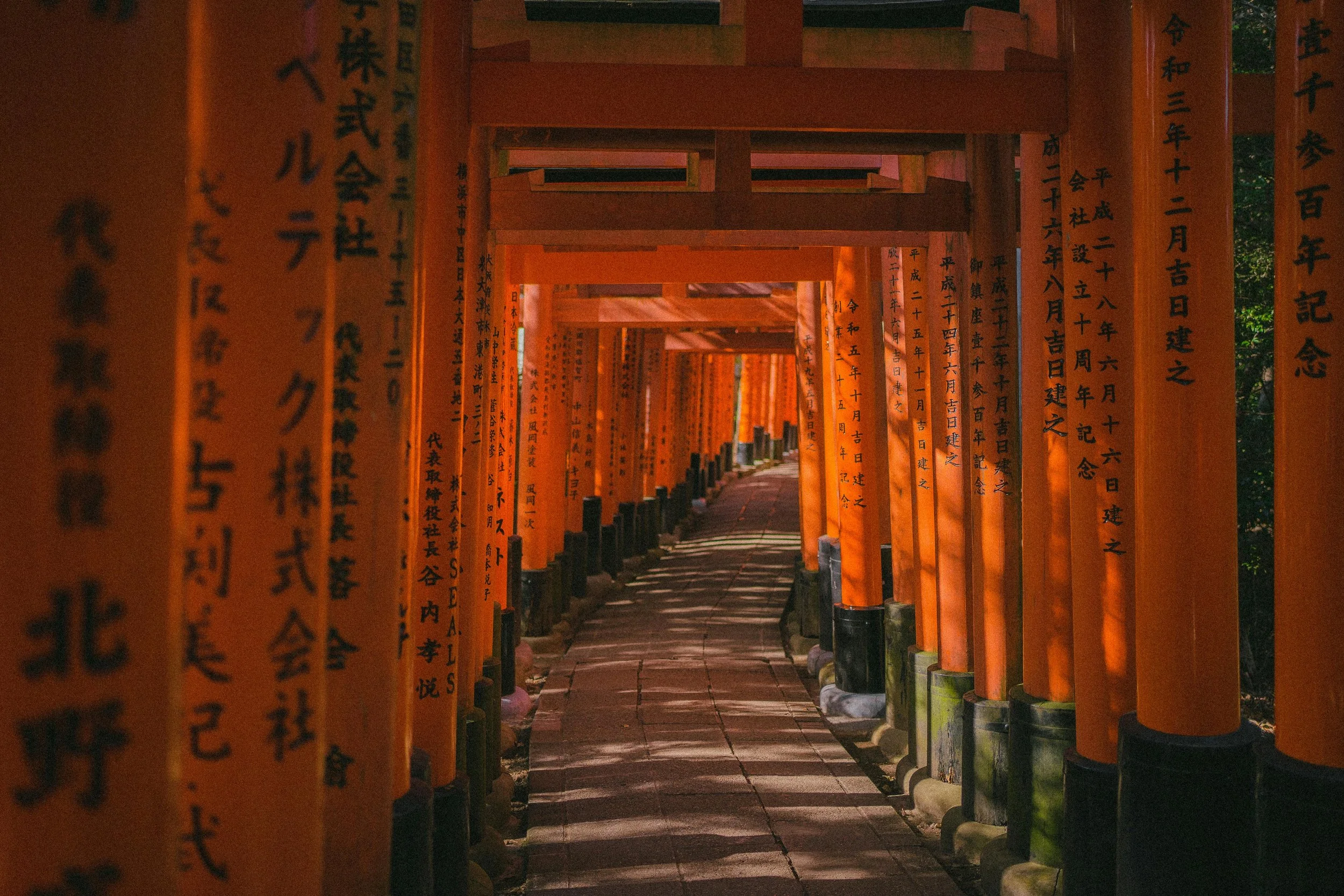
Shinto is practical and embedded in daily life. A torii gate at a shrine entrance marks the boundary between the mundane and the sacred. Shimenawa (sacred ropes) identify objects inhabited by kami. Shinto rituals mark life events: birth celebrations (Miyamairi), children's growth (Shichi-Go-San), New Year prayers (Hatsumode), and purification before new endeavors.
Visiting a Shinto Shrine (Jinja):
Pass through the torii gate, walking to one side (the center is for the kami)
Purify your hands and mouth at the chozuya (water basin)
At the main hall: bow twice, clap twice, make your prayer silently, then bow once more
You may purchase an omamori (protective charm) or write a wish on an ema (wooden votive tablet)
Buddhism in Japan
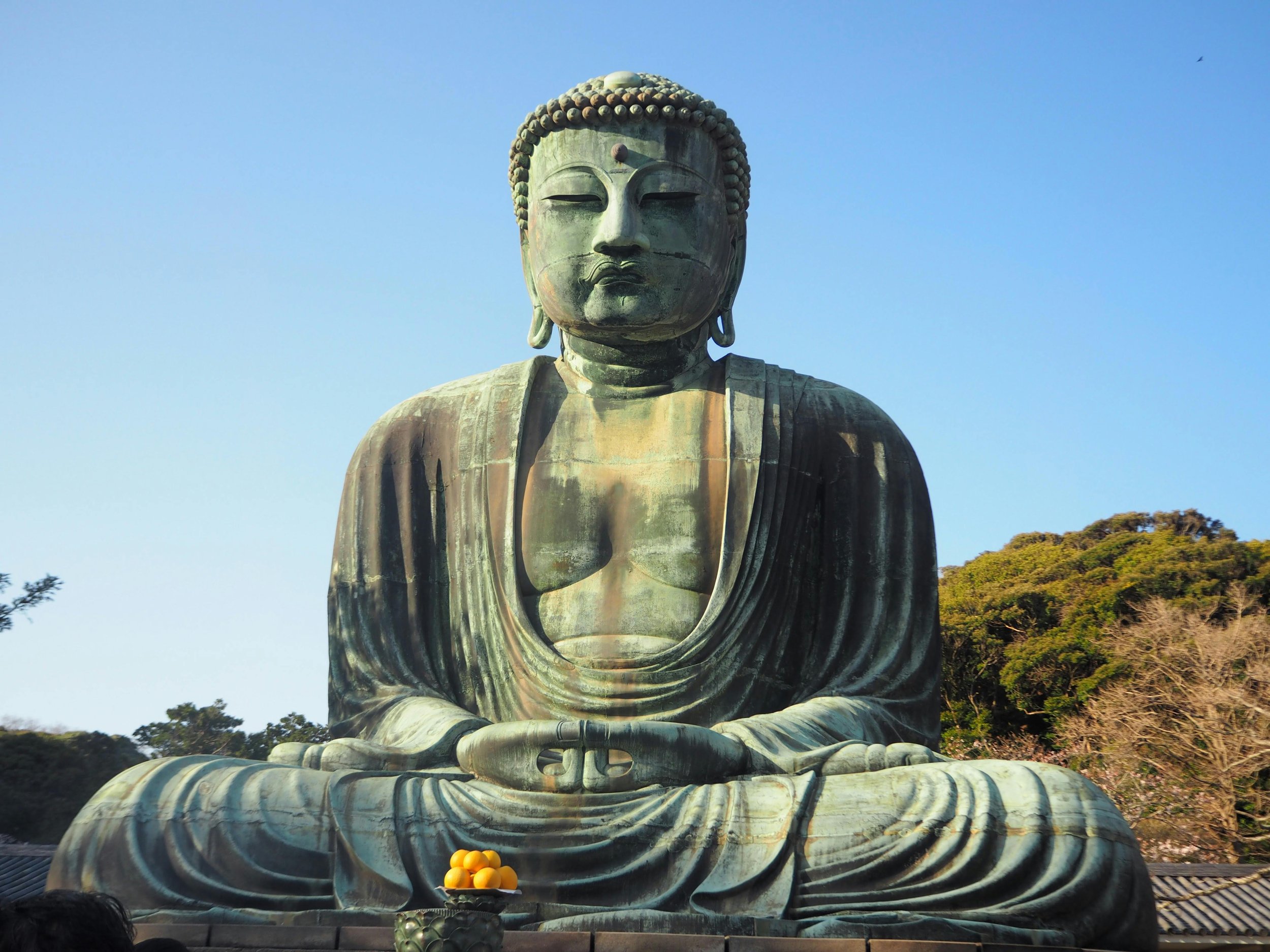
Buddhism arrived in Japan from China and Korea in the 6th century and has coexisted with Shinto ever since. Most Japanese people participate in both traditions without contradiction, Shinto for life celebrations, Buddhism for funerals and ancestor remembrance.
Japan is home to numerous Buddhist schools, each with its own temples, practices, and aesthetic:
Zen Buddhism: Emphasizes meditation (zazen), simplicity, and direct experience. Zen temples feature iconic rock gardens (karesansui), such as Ryoanji in Kyoto. Many temples offer zazen meditation sessions for visitors.
Pure Land Buddhism (Jodo): The most widely practiced form in Japan, centered on devotion to Amida Buddha. Chion-in in Kyoto is its headquarters.
Shingon Buddhism: An esoteric tradition brought to Japan by Kukai (Kobo Daishi) in the 9th century. Its center is Mount Koya (Koyasan), where visitors can stay overnight in temple lodgings (shukubo), attend morning prayers, and walk through the atmospheric Okunoin cemetery.
Visiting a Buddhist Temple (Otera / Ji):
Enter quietly and bow slightly at the gate
If there is an incense burner, waft the smoke toward yourself (it's believed to have healing properties)
At the main hall: place a coin in the offering box, bow, and pray silently (no clapping, that's Shinto only)
Remove your shoes if entering a temple building (look for a shoe rack at the entrance)
The Shinto-Buddhist Blend
One of the most unique aspects of Japanese spirituality is how naturally Shinto and Buddhism overlap. The same family might celebrate a baby's birth at a Shinto shrine, hold a wedding in a Christian-style chapel (very popular in Japan), and conduct a funeral at a Buddhist temple, all without seeing any contradiction.
Etiquette: The Unwritten Rules
Japanese etiquette is not about rigid formality, it's about consideration for others. Most Japanese people are understanding with foreign visitors, but making an effort to follow these basics is deeply appreciated.
Bowing (Ojigi)
Bowing is the standard form of greeting, thanking, apologizing, and showing respect. As a tourist, a slight bow (about 15 degrees) is sufficient for most situations. You don't need to be perfect, the gesture itself is what matters.
Shoes Off
You'll remove your shoes dozens of times during a Japan trip. The rule is simple: if there is a step up at the entrance (genkan), shoes come off. This applies to homes, ryokan, many restaurants, temples, some shops, and fitting rooms. Slip-on shoes make this much easier than laces.
Some places provide slippers for indoor use. If you see separate toilet slippers in a bathroom, use them and don't forget to switch back when you leave.
Chopstick Etiquette
Never stick chopsticks upright in rice, this resembles incense sticks at a funeral and is considered very disrespectful
Never pass food chopstick-to-chopstick, this mimics a funeral bone-gathering ritual
Don't point with chopsticks, wave them in the air, or use them to move plates
It's perfectly fine to lift bowls (rice, soup) to your mouth, this is standard practice
Tipping
Do not tip in Japan. Not at restaurants, not to taxi drivers, not to hotel staff. Tipping can cause confusion or even offense, as excellent service is considered a professional standard, not something that requires extra payment. If you want to express gratitude, a sincere "arigatou gozaimasu" (thank you very much) is always welcome.
Public Behavior
Talking on phones on trains is considered rude. Put your phone on silent (manner mode) and avoid phone conversations on public transit.
Eating while walking is generally frowned upon, eat standing at the food stall or find a bench. An exception is street food areas at festivals and markets (like Tsukiji or Nishiki).
Blow your nose privately. Sniffing in public is acceptable; blowing your nose loudly is not. Step away or use a restroom.
Queue culture is sacred. The Japanese queue for everything, trains, restaurants, elevators and they do it in precise, orderly lines. Always join the queue and wait your turn.
Onsen (Hot Spring) Etiquette
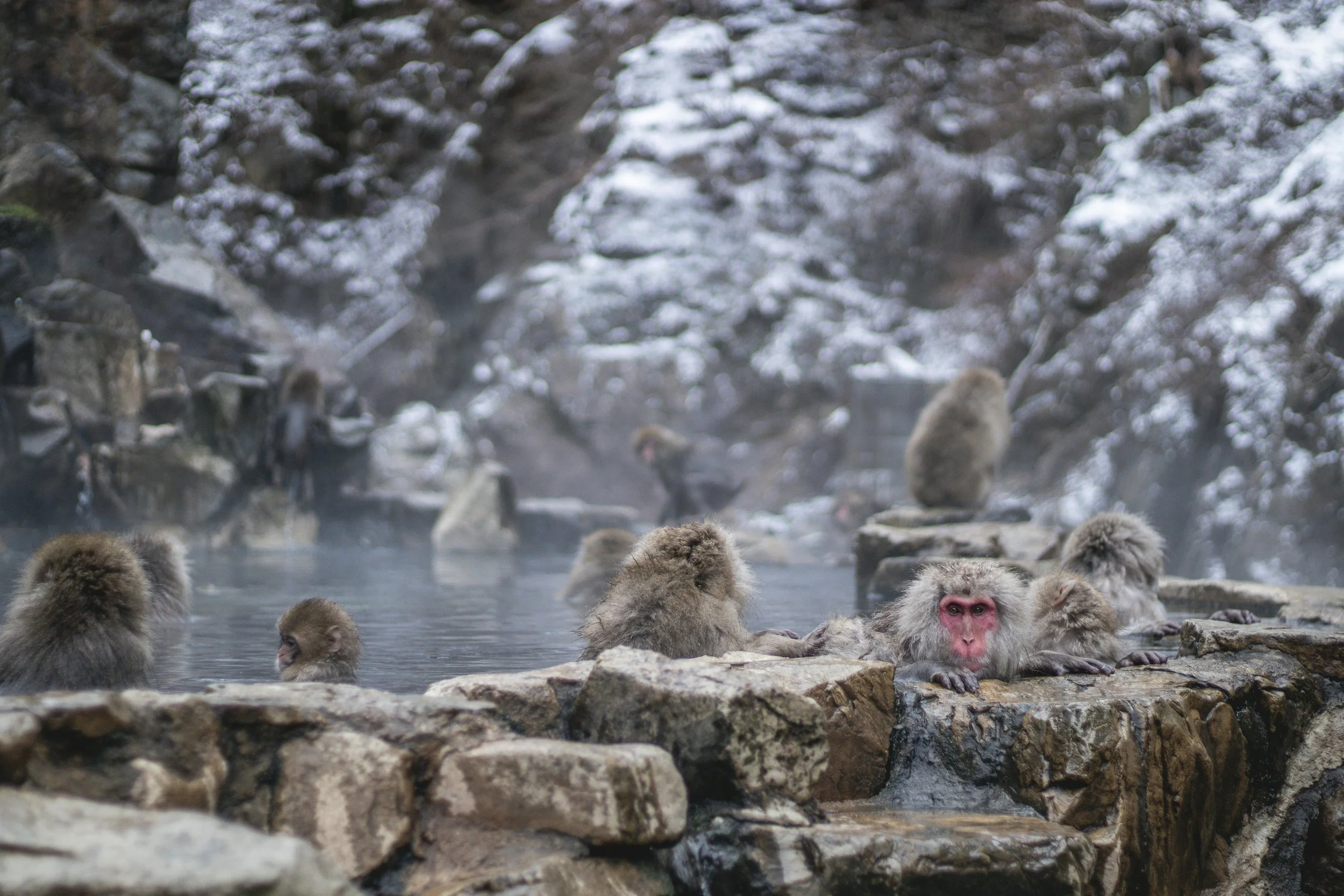
Visiting an onsen is one of Japan's great cultural experiences, but it comes with strict rules:
Wash thoroughly before entering the bath. The washing stations with stools and showerheads are there for this purpose. The bath water is shared, it must stay clean.
No swimwear. Onsen are entered completely nude. Most are gender-separated.
Keep your small towel out of the water. You can place it on your head (a classic image) or on the side of the pool.
No tattoos in many onsen. Tattoos are historically associated with yakuza (organized crime) in Japan. Many traditional onsen prohibit visible tattoos. However, this is gradually changing, some now offer private baths or tattoo-friendly hours. Check in advance.
Be quiet. Onsen are places of relaxation. Keep conversation low and avoid splashing.
The Tea Ceremony (Chado / Sado)
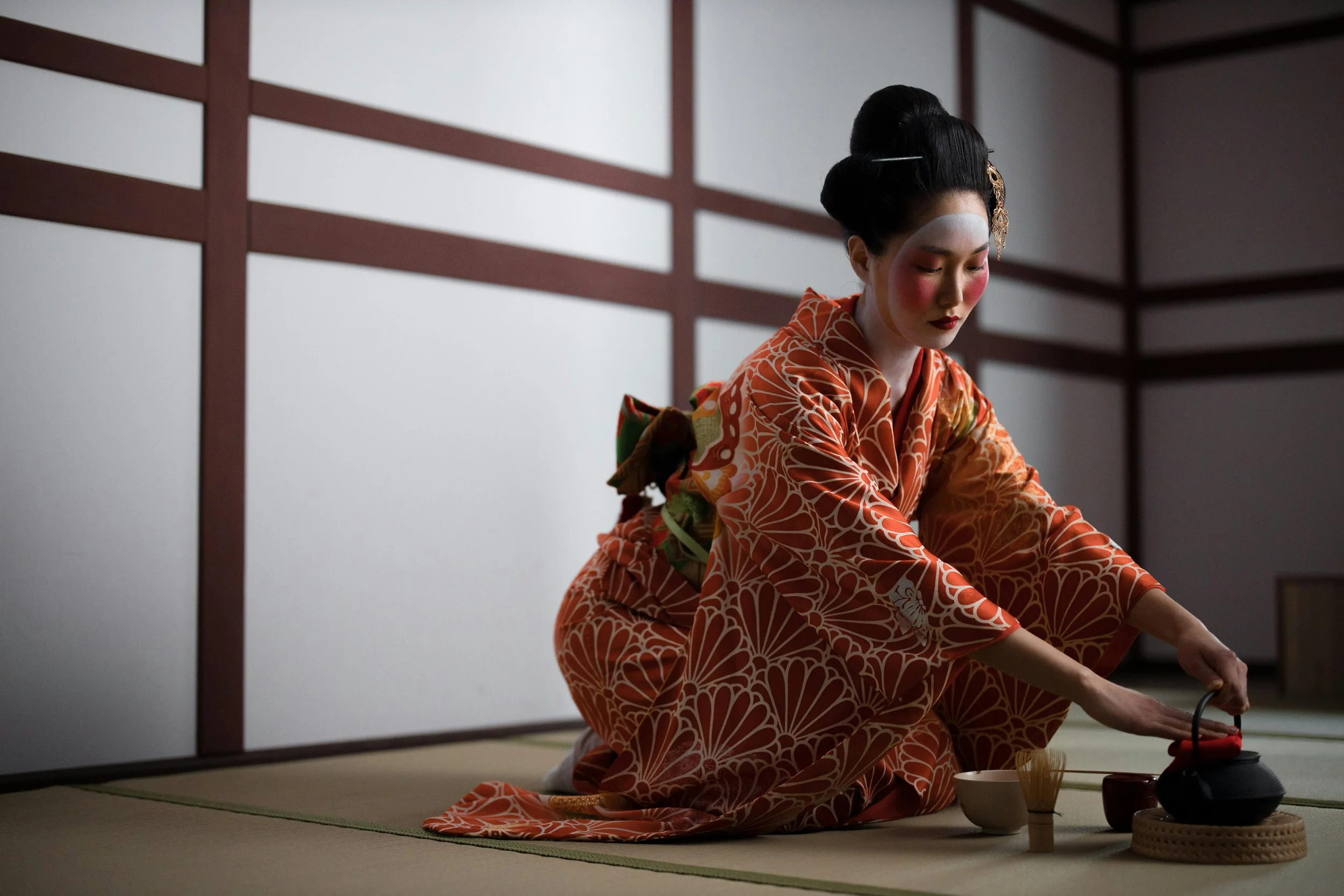
The Japanese tea ceremony is far more than drinking tea. It is a meditative practice that embodies wabi-sabi, mindfulness, and the idea that every encounter is unique and should be treasured (ichigo ichie, "one time, one meeting").
A formal ceremony takes place in a purpose-built tearoom (chashitsu), typically within a garden setting. The host prepares matcha (powdered green tea) using precise, choreographed movements refined over centuries. Every element, the scroll in the alcove, the flowers, the tea bowl, the charcoal arrangement, is chosen to reflect the season and the occasion.
Where to experience a tea ceremony:
Kyoto: Numerous tea houses offer both formal ceremonies and shorter tourist-friendly sessions. En Tea Ceremony in Gion and Camellia near Kenninji Temple are well-regarded.
Tokyo: Happo-en Garden in Shirokanedai offers ceremonies in a beautiful garden setting.
Uji (near Kyoto): The birthplace of Japanese tea culture, with several historic tea houses along the river.
Traditional Accommodations: Ryokan and Minshuku
Ryokan
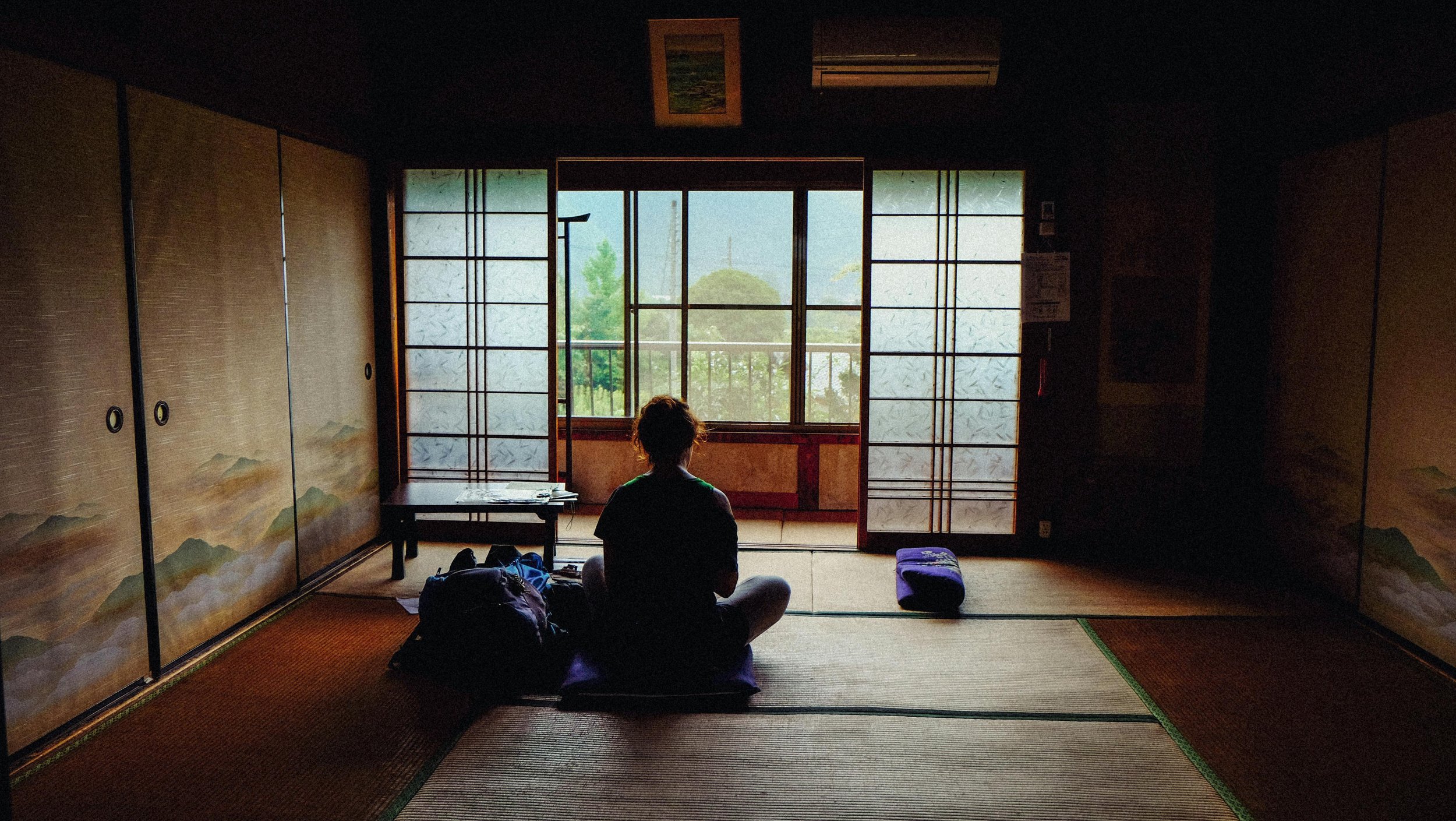
A ryokan is a traditional Japanese inn that offers an immersive cultural experience: tatami-mat rooms, futon bedding, yukata (cotton robes), communal or private onsen baths, and elaborate multi-course kaiseki dinners made with seasonal, local ingredients.
Staying at a ryokan is one of the most memorable things you can do in Japan. The experience follows a rhythm: arrive in the late afternoon, change into your yukata, soak in the onsen, enjoy a kaiseki dinner served in your room or a private dining area, sleep on futon laid out on tatami, and wake to a traditional Japanese breakfast.
Top ryokan regions: Hakone, Kinosaki Onsen, Ginzan Onsen, Kurokawa Onsen, Izu Peninsula.
Prices range widely: from ¥15,000 per person per night (with meals) at mid-range ryokan to ¥80,000+ at luxury establishments.
Minshuku
A minshuku is a family-run guesthouse, simpler, more affordable, and more intimate than a ryokan. Meals are home-cooked and the atmosphere is warm and personal. They're particularly common in rural and coastal areas.
Japanese Cuisine: More Than Sushi
The UNESCO-Recognized Tradition
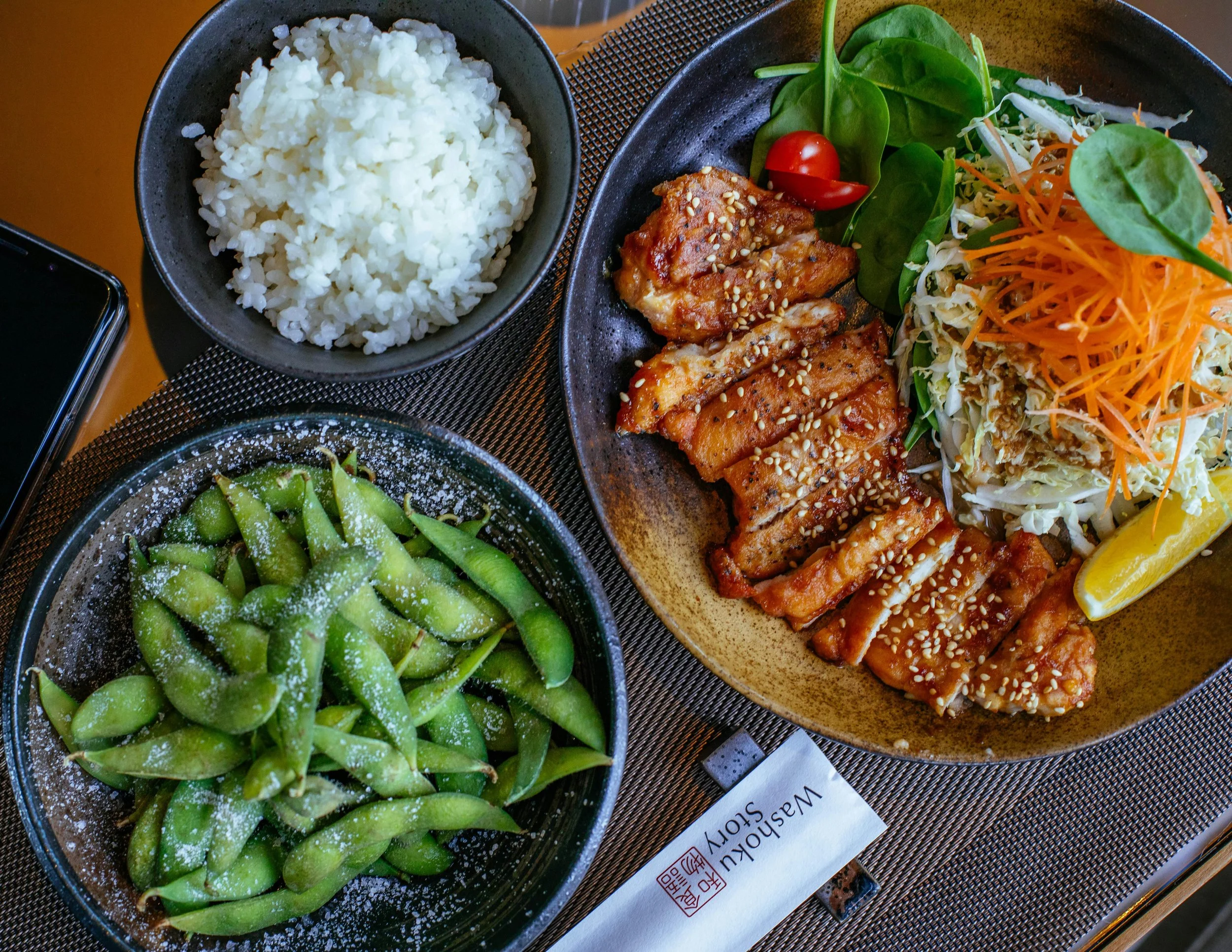
In 2013, washoku (traditional Japanese cuisine) was added to UNESCO's Intangible Cultural Heritage list, not for any single dish, but for the entire system: the emphasis on seasonal ingredients, the balance of flavors, the artful presentation, and the deep connection between food and nature.
Essential Dishes Every Visitor Should Try
Sushi and sashimi: Fresh, seasonal seafood at its purest. Try it at a kaiten (conveyor belt) spot for casual dining or at an omakase counter for the full experience.
Ramen: Japan's beloved noodle soup comes in regional varieties, tonkotsu (pork bone broth, Fukuoka), shoyu (soy sauce, Tokyo), miso (Sapporo), shio (salt, Hakodate).
Tempura: Lightly battered and fried vegetables and seafood. When done well, it's delicate and barely greasy.
Kaiseki: Multi-course haute cuisine that changes with the seasons. Each dish is a small work of art. This is Japan's highest culinary expression.
Okonomiyaki: A savory pancake filled with cabbage, meat, and toppings, cooked on a griddle. Osaka and Hiroshima have rival versions.
Tonkatsu: Deep-fried pork cutlet with shredded cabbage and tonkatsu sauce. Simple, satisfying, and beloved.
Udon and soba: Thick wheat noodles (udon) and thin buckwheat noodles (soba), served hot in broth or cold with dipping sauce.
Yakitori: Grilled chicken skewers, seasoned with salt (shio) or sweet soy glaze (tare). Best enjoyed at small, smoky yakitori-ya under the train tracks.
Wagashi: Traditional Japanese sweets, often made with bean paste, rice flour, and seasonal ingredients. Beautiful enough to be art.
Dining Etiquette
Say "itadakimasu" (I humbly receive) before eating and "gochisousama deshita" (it was a feast) after
Slurping noodles is not just acceptable, it's expected. It indicates you're enjoying the meal and helps cool hot noodles.
Don't pour your own drink in a group setting, pour for others and they'll pour for you
At izakaya (casual pubs), meals begin with a round of drinks and a toast: "Kanpai!" (Cheers!)
Traditional Arts and Crafts
Ikebana (Flower Arranging)
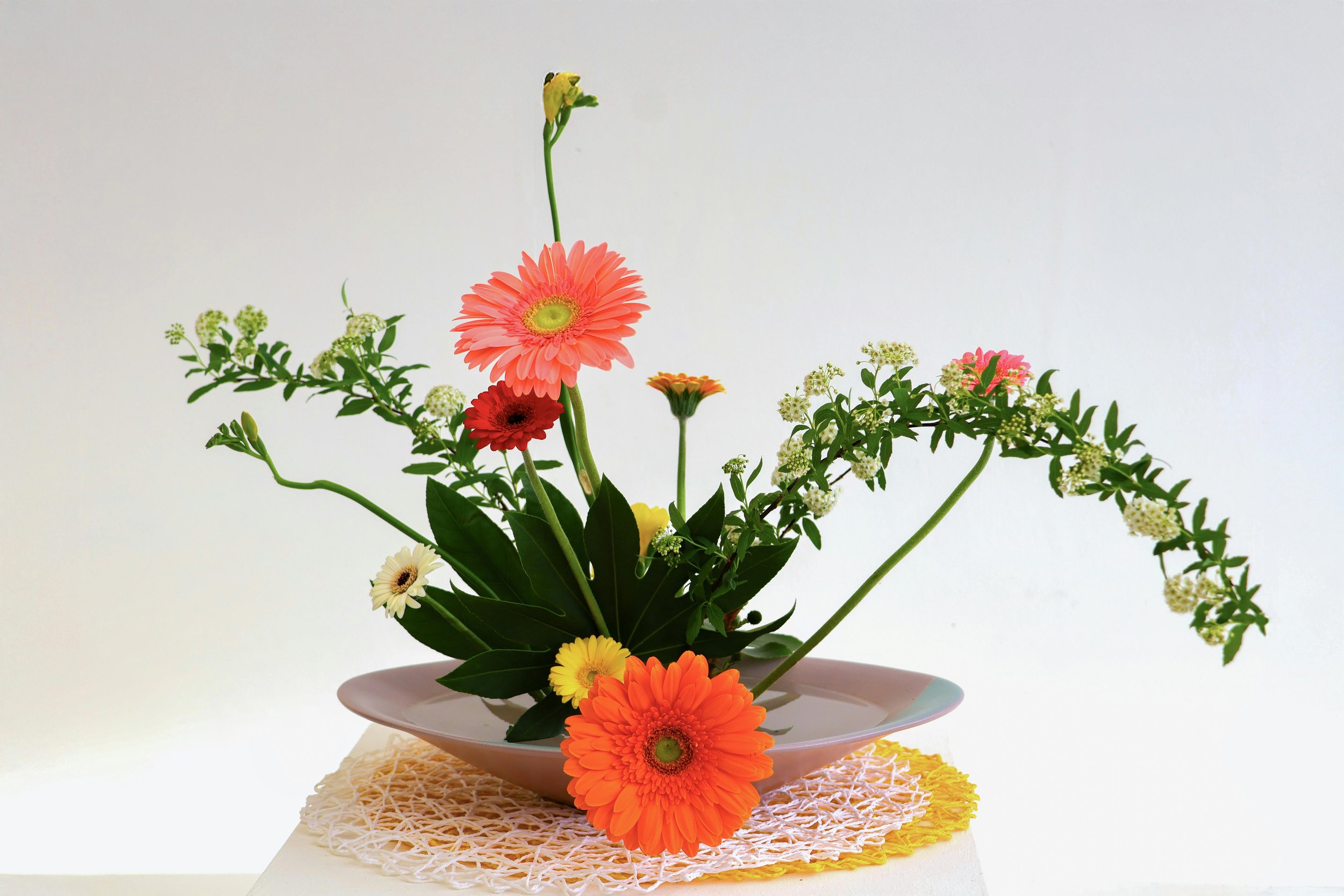
Japanese flower arranging is not about abundance, it's about space, line, and the relationship between heaven, earth, and humanity. Each arrangement tells a seasonal story. Major schools include Ikenobo (the oldest, founded in the 15th century), Ohara, and Sogetsu.
Calligraphy (Shodo)
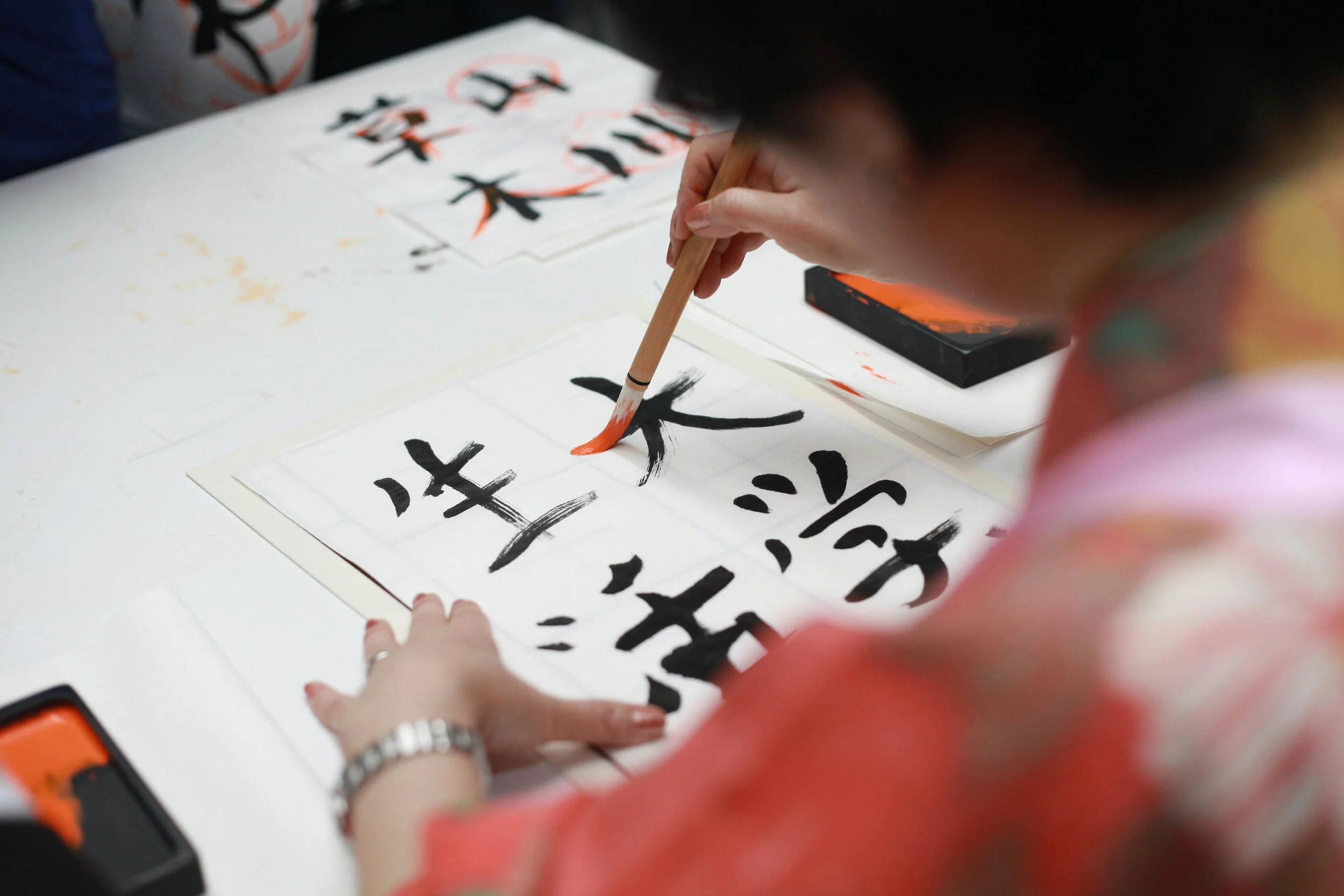
The art of writing kanji and kana characters with brush and ink. Shodo is practiced as both art and meditation. Many temples and cultural centers offer short calligraphy workshops for visitors.
Ceramics and Pottery
Japan has a rich pottery tradition with distinct regional styles: Arita and Imari ware (Kyushu) with blue-and-white designs, Bizen ware (Okayama) with its unglazed earth tones, and Raku ware (Kyoto) closely tied to the tea ceremony. Visiting a pottery town and trying your hand at a workshop is a wonderful cultural experience.
Kintsugi (Golden Repair)
The practice of repairing broken pottery with gold lacquer, highlighting the cracks rather than hiding them. It embodies the wabi-sabi philosophy: the broken and repaired object is more beautiful than the original, because its history is visible and valued.
Geisha Culture
The word geisha (芸者) means "person of the arts." Geisha are highly trained professional entertainers skilled in traditional Japanese music, dance, conversation, and the art of hospitality. They are not, despite common Western misconception, associated with prostitution.
In Kyoto, they are called geiko (fully trained) and maiko (apprentices). The Gion district in Kyoto is the most famous geisha quarter, and it's possible to glimpse maiko heading to evening appointments along Hanami-koji street at dusk. Some tea houses (ochaya) offer dinner experiences with geiko performances, though these typically require a personal introduction or booking through a specialized service.
Respectful viewing tips:
Do not block geiko/maiko's path for photos — they are working professionals heading to appointments
Some areas of Gion have photography restrictions — respect the signage
Avoid touching or grabbing — this has become a problem with tourists and new regulations have been implemented
Kimono and Traditional Dress
The kimono (着物, literally "thing to wear") is Japan's traditional garment, with variations for gender, age, season, formality, and occasion. A formal kimono can cost thousands of dollars and takes years to learn to wear properly, it's a living art form.
For visitors, kimono rental shops in Kyoto, Tokyo, and other tourist cities offer affordable half-day or full-day rentals (typically ¥3,000–¥6,000), including dressing assistance and hair styling. Walking through Kyoto's temple districts in kimono is a beloved tourist activity and the Japanese generally appreciate it as a sign of interest in their culture.
Yukata are the casual, lighter version of kimono, typically worn in summer and at ryokan. They're simpler to put on and are the standard evening wear at hot spring resorts.
Martial Arts
Japan is the birthplace of several martial arts practiced worldwide:
Judo ("the gentle way"): Emphasizes throws and grappling. Olympic sport since 1964.
Kendo ("the way of the sword"): Fencing with bamboo swords (shinai) and protective armor. Rooted in samurai swordsmanship.
Karate ("empty hand"): Originally from Okinawa, now practiced globally. Olympic sport since 2020.
Aikido ("the way of harmony"): Focuses on redirecting an attacker's energy. Founded by Morihei Ueshiba in the 20th century.
Sumo: Japan's national sport, with origins in Shinto ritual. Six tournaments (basho) are held annually in Tokyo (January, May, September), Osaka (March), Nagoya (July), and Fukuoka (November). Attending a day of sumo, from the morning juniors to the dramatic evening bouts of the top-ranked wrestlers, is an extraordinary cultural experience.
Seasonal Awareness in Daily Life
What makes Japan truly unique is how deeply seasons are embedded in everyday life, not just festivals and nature:
Food menus change seasonally. Restaurants proudly serve what's in season and only what's in season.
Convenience store products rotate. Limited-edition seasonal flavors (sakura Kit-Kat in spring, chestnut everything in autumn, strawberry treats in winter) are a national obsession.
Department stores redecorate their displays and packaging with each season.
Clothing shifts. The Japanese switch from winter to summer wardrobes at socially recognized dates, regardless of the actual temperature.
Greetings change. Seasonal salutations are standard in letters, emails, and formal speech, referencing the current weather, blooms, or natural phenomena.
This rhythmic awareness of passing time, always noticing, always appreciating the present moment, is perhaps the deepest lesson Japanese culture offers its visitors.
Practical Cultural Tips for Travelers
Learn a few Japanese phrases. Even basics like konnichiwa (hello), sumimasen (excuse me), and arigatou gozaimasu (thank you) are warmly received.
Carry cash. Japan is still heavily cash-based, especially at small restaurants, temples, and rural areas.
Observe before acting. When unsure, watch what locals do and follow their lead.
Accept things with both hands. Business cards, gifts, change, receiving with both hands shows respect.
Don't be afraid of mistakes. The Japanese are remarkably gracious with foreign visitors who are clearly trying. A sincere effort matters far more than perfection.
Curious to experience Japanese culture firsthand? Start planning your trip with Japan Horizons, we'll connect you with authentic experiences that go beyond the surface.
Sources & Further Reading:
Japan National Tourism Organization — japan.travel
Japan Guide — japan-guide.com/e/e622.html
UNESCO Intangible Cultural Heritage — Washoku
Bestor, Theodore C. — Tsukiji: The Fish Market at the Center of the World
