

Japan's Greatest Festivals: A Complete Guide to Matsuri
Japan is home to an estimated 300,000 festivals every year. From ancient Shinto rituals dating back over a thousand years to massive modern fireworks displays, matsuri (祭り) are the beating heart of Japanese culture. They are loud, colorful, deeply spiritual, and open to everyone, including visitors. This guide covers the most spectacular festivals worth planning your trip around.
What Is a Matsuri?
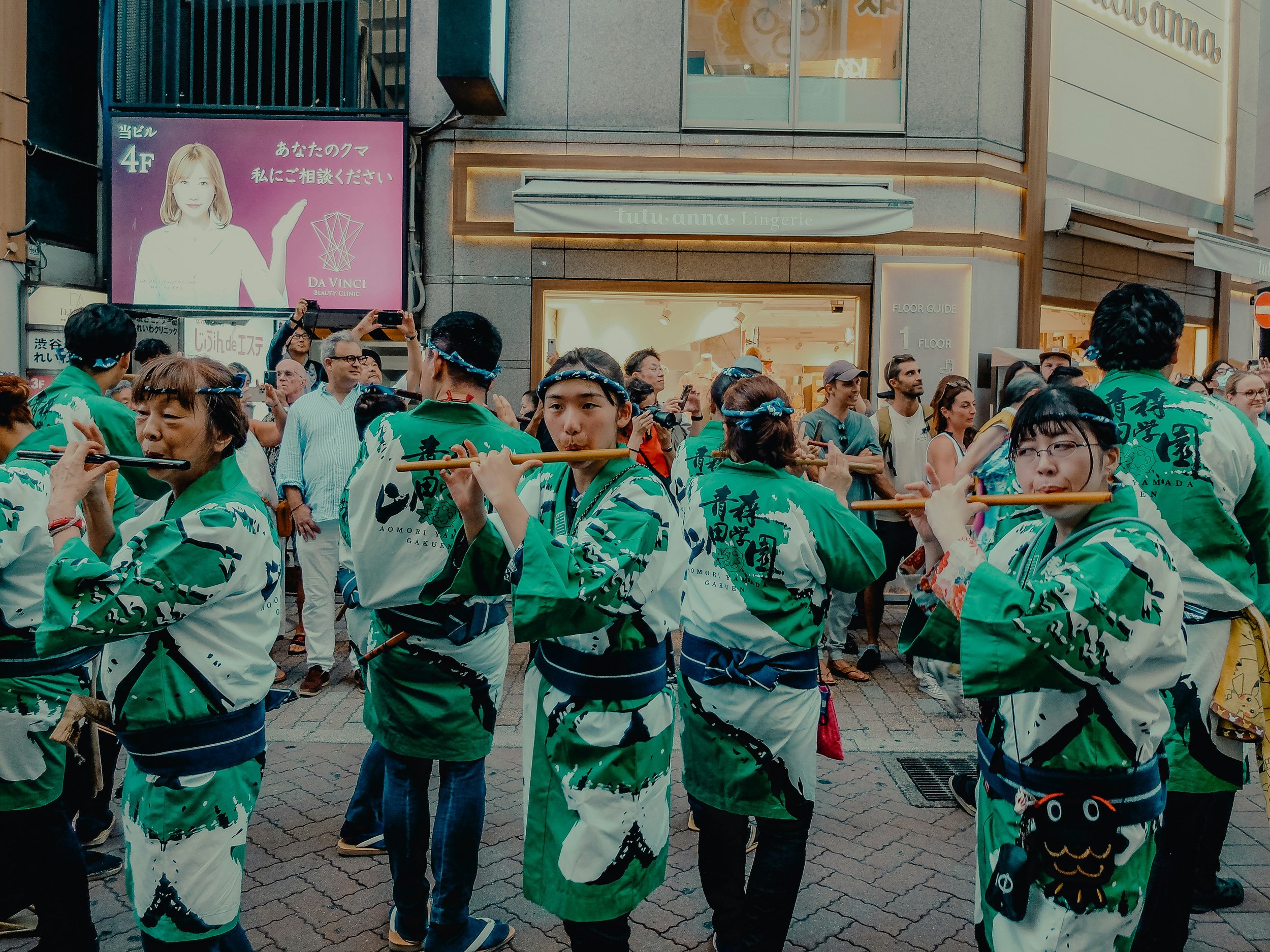
The word matsuri (祭り) means "festival" in Japanese, but it carries far more weight than the English translation suggests. At its core, a matsuri is a sacred event, originally a Shinto ceremony to honor the kami (gods or spirits), give thanks for harvests, pray for protection, or mark the changing of seasons.
Over centuries, matsuri evolved to include street parades, food stalls (yatai), traditional dances, and spectacular float processions, while still retaining their spiritual roots. Today, most major matsuri begin with a solemn ceremony at a shrine before exploding into public celebration.
What to Expect at a Matsuri
Mikoshi: Portable shrines carried through the streets by teams of chanting participants in happi coats. The bouncing and shaking is believed to energize the spirit inside.
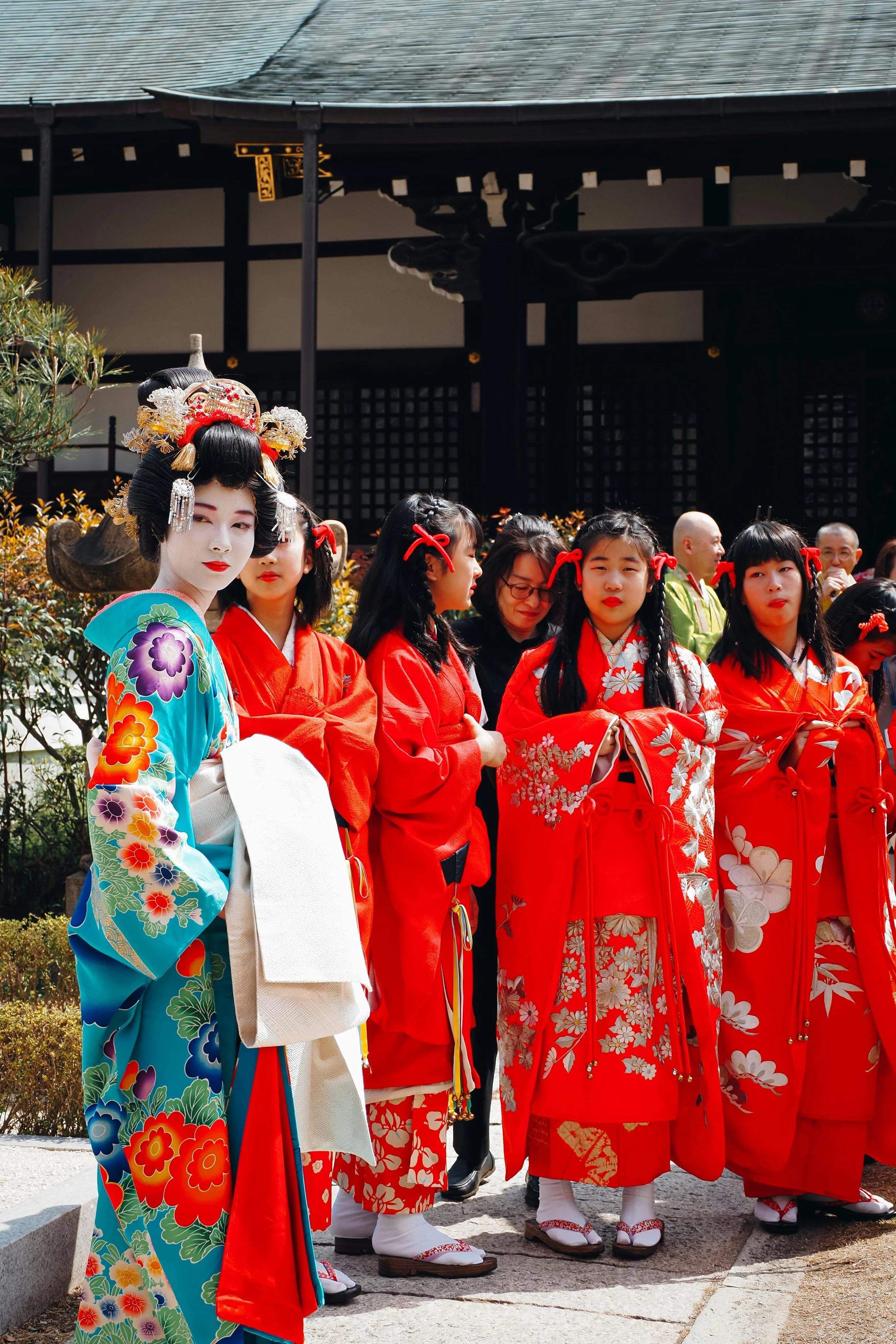
Dashi or yamaboko: Elaborate festival floats, some weighing over 10 tons, pulled through the streets with musicians performing on top.
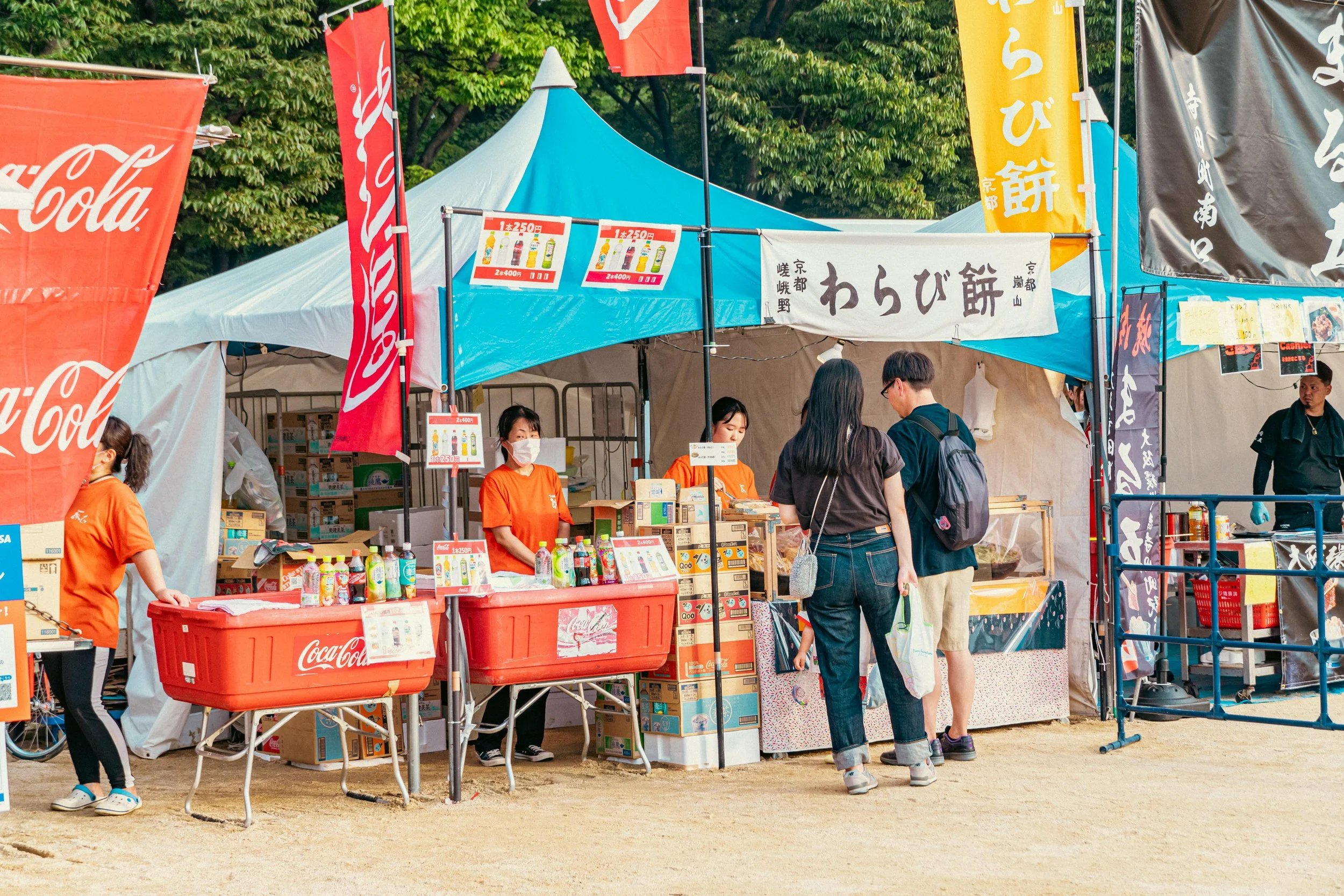
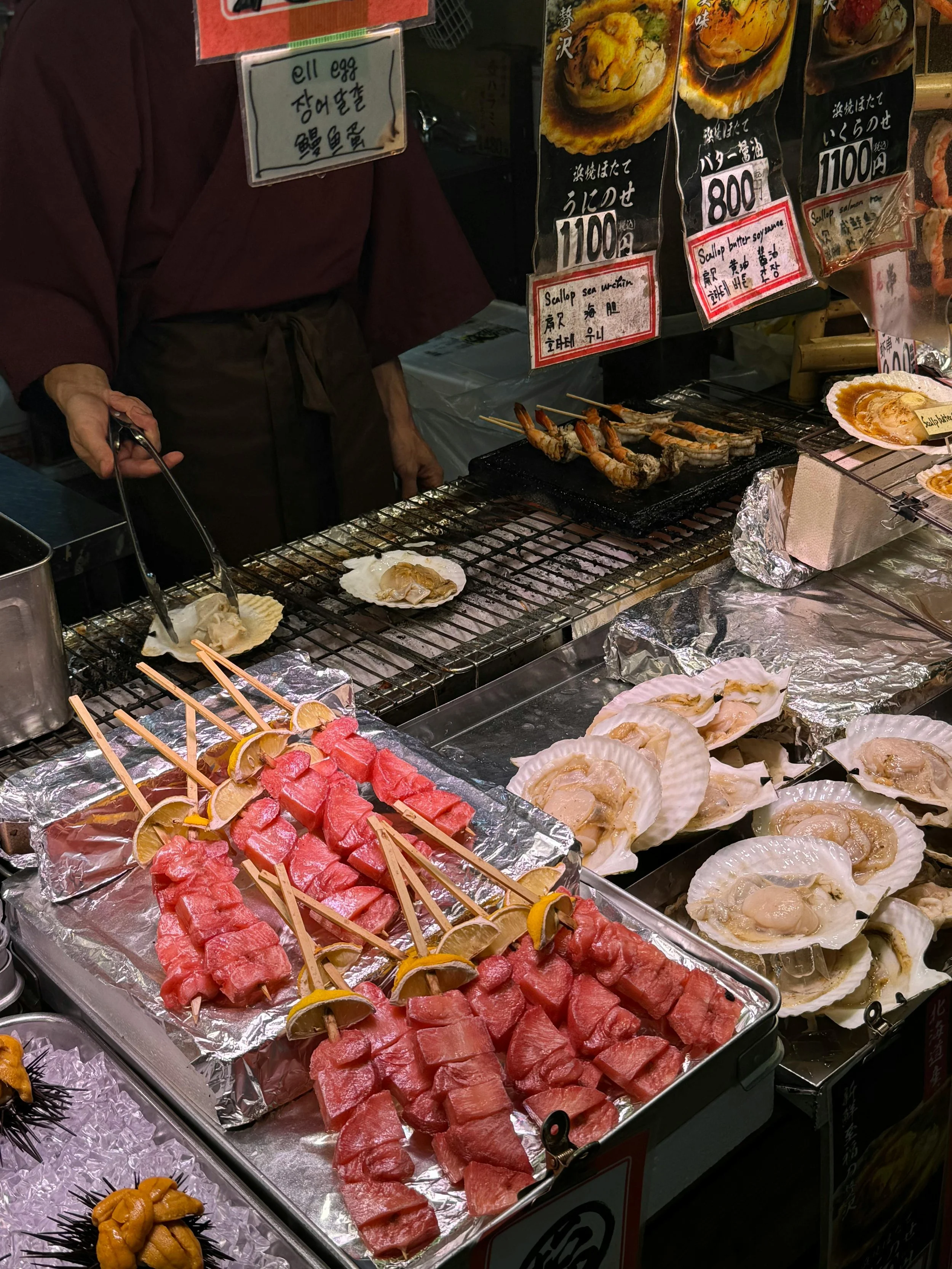
Yatai (food stalls): Takoyaki (octopus balls), yakisoba (fried noodles), yakitori (grilled chicken skewers), kakigori (shaved ice), candied strawberries, and much more.
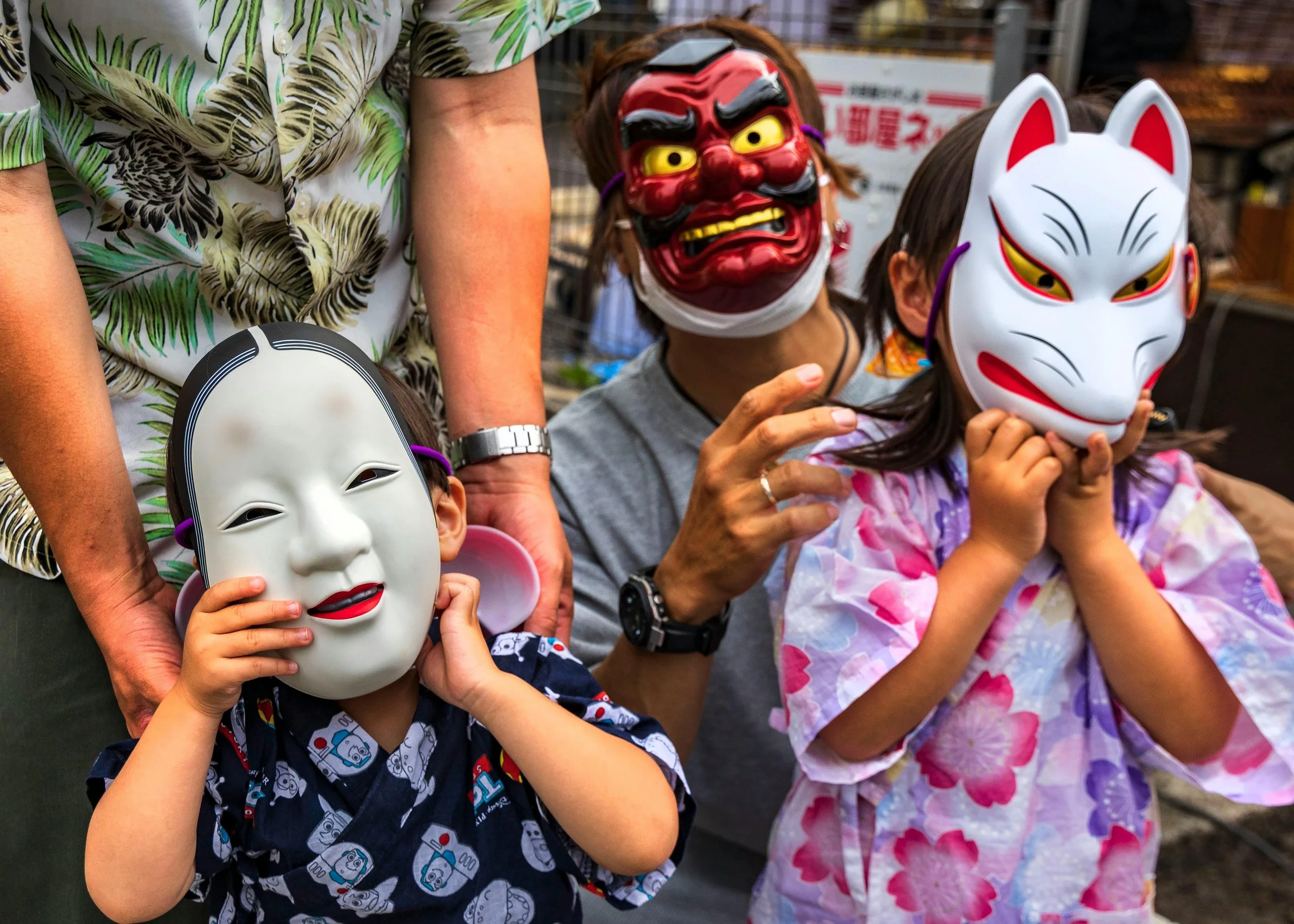
Yukata: Many Japanese attendees wear yukata (light summer kimono) to summer festivals. Visitors are welcome to wear them too, rental shops are everywhere near festival sites.
Taiko drums and traditional music: The thunderous sound of taiko drumming is the soundtrack of matsuri season.
Winter Festivals (December – February)
Sapporo Snow Festival (Sapporo, Hokkaido)
When: Early February (typically February 4–11)
One of Japan's most famous winter events. The festival features hundreds of snow and ice sculptures spread across three sites in Sapporo, with the main venue at Odori Park stretching over 1.5 km. Some sculptures are several stories tall and depict everything from historical buildings to pop culture characters. At night, the sculptures are illuminated, creating a magical atmosphere.
Tip: Temperatures average around -4°C (25°F). Dress in thermal layers, insulated boots, and bring hand warmers. Book hotels at least 3–4 months in advance.
Yokote Kamakura Festival (Yokote, Akita)
When: February 15–16
In this enchanting winter tradition, hundreds of kamakura (snow domes about 2 meters tall) are built throughout the city, each containing a small altar to the water deity. Locals invite visitors inside to share warm amazake (sweet rice drink) and mochi. Hundreds of miniature kamakura line the riverbank, lit by candles, the effect at night is breathtaking.
Setsubun (Nationwide)
When: February 3
Marking the transition from winter to spring, Setsubun is celebrated at shrines and temples across Japan. The main ritual involves throwing roasted soybeans while chanting to drive away evil spirits and welcome good fortune. Major celebrations take place at Sensoji Temple in Tokyo and Yoshida Shrine in Kyoto, where priests and celebrities throw beans to massive crowds.
Spring Festivals (March – May)
Takayama Spring Festival (Takayama, Gifu)
When: April 14–15
Takayama is a small mountain town in the Japanese Alps, but its festival is one of Japan's most beautiful. Twelve ornate festival floats (yatai), some dating back to the 17th century, are paraded through the town's Edo-era streets. The floats feature intricate wood carvings and mechanical puppet performances (karakuri). At night, the floats are lit with hundreds of lanterns.
Tip: Takayama is small and hotels sell out extremely fast. Book 4–6 months ahead. The autumn version of this festival takes place October 9–10.
Sanja Matsuri (Tokyo)
When: Third weekend of May (typically May 15–17)
Tokyo's wildest festival takes place in the streets around Sensoji Temple in Asakusa. Over 100 neighborhood mikoshi (portable shrines) are paraded through the narrow lanes of one of Tokyo's most historic districts, carried by teams of energetic participants. The atmosphere is chaotic, joyful, and intensely physical. Approximately 1.5 to 2 million visitors attend over the three days.
Tip: Arrive early on Sunday for the main event, the procession of the three sacred mikoshi from Asakusa Shrine. The energy is extraordinary.
Aoi Matsuri (Kyoto)
When: May 15
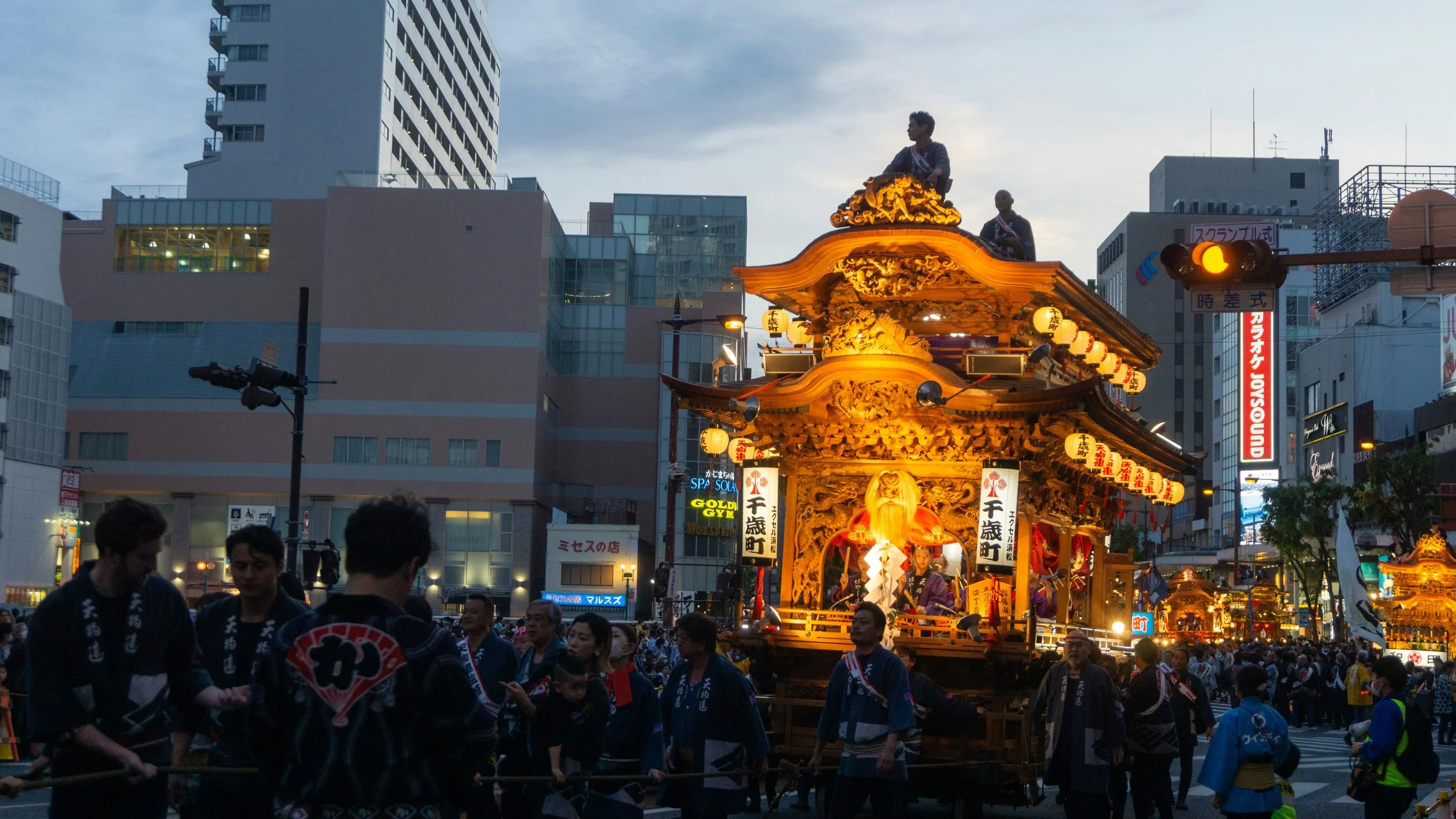
One of Kyoto's three great festivals and one of the oldest festivals in Japan, with origins in the 6th century. A stately procession of over 500 participants dressed in Heian-period aristocratic costumes, complete with ox-drawn carriages, horses, and hollyhock-decorated floats, winds from the Imperial Palace to Shimogamo Shrine and then to Kamigamo Shrine. It's a breathtaking window into Japan's ancient court culture.
Summer Festivals (June – August)
Summer is Japan's peak matsuri season. The heat is intense, but the energy is unmatched.
Sanno Matsuri (Tokyo)
When: Mid-June (held in even-numbered years, next in 2026)
One of Tokyo's three great Edo-era festivals, held at Hie Shrine in Akasaka. The highlight is a grand procession of 300 meters that winds through central Tokyo and even enters the Imperial Palace grounds, a historical privilege granted by the Tokugawa shoguns. The festival alternates years with the Kanda Matsuri (held in odd years).
Gion Matsuri (Kyoto)
When: The entire month of July (main processions July 17 and July 24)
Japan's most famous festival and arguably its most spectacular. Originating in 869 CE as a purification ritual during a plague, the Gion Matsuri has grown into a month-long celebration centered on Yasaka Shrine. The climax is the Yamaboko Junko, a procession of 33 enormous festival floats, some weighing up to 12 tons, pulled through the streets of central Kyoto by teams of men in traditional dress.
The floats are UNESCO Intangible Cultural Heritage. Many are decorated with centuries-old tapestries, including Belgian tapestries acquired by Kyoto merchants along the Silk Road. The evening before each procession - Yoiyama - is equally atmospheric: floats are lit from within, streets are closed to cars, and food stalls line every block.
Tip: The Yoiyama evenings (July 14–16 and July 21–23) are the most accessible and atmospheric for visitors. Hotels in central Kyoto book up months in advance for mid-July.
Tenjin Matsuri (Osaka)
When: July 24–25
One of Japan's three great festivals, honoring the scholar-god Sugawara no Michizane at Osaka Tenmangu Shrine. The festival reaches its climax on the evening of July 25 with the Funatogyo, a procession of over 100 illuminated boats moving along the Okawa River, accompanied by traditional music and followed by a massive fireworks display. It is one of the most visually stunning scenes in all of Japan.
Nebuta Matsuri (Aomori)
When: August 2–7
One of the Tohoku region's great summer festivals, featuring enormous illuminated floats depicting warriors, mythical creatures, and kabuki scenes. The floats are made of painted washi paper stretched over wire frames and lit from within, creating a glowing, almost otherworldly effect. Dancers called haneto leap and chant around the floats and visitors are welcome to join. You simply need to rent or buy a haneto costume.
Tip: The final night (August 7) features a float procession along the water, with fireworks as a backdrop. Don't miss it.
Awa Odori (Tokushima)
When: August 12–15
Japan's largest and most famous dance festival. Over 100,000 dancers organized into teams (ren) perform a distinctive, rhythmic dance through the streets of Tokushima to the sounds of shamisen, drums, and flutes. The official motto of Awa Odori captures its spirit perfectly: a famous Japanese saying expresses that both the dancers and the watchers are fools, so you might as well dance. Spectators are actively encouraged to join designated "fool's dance" groups.
Kanto Matsuri (Akita)
When: August 3–6
One of the Tohoku region's three great festivals. Skilled performers balance massive bamboo poles (kanto), each holding dozens of paper lanterns, on their palms, foreheads, shoulders, and hips. The poles can reach up to 12 meters in height and weigh around 50 kg. Over 200 kanto are raised simultaneously to the sound of drums and flutes, illuminating the streets with more than 10,000 lanterns.
Tanabata (Sendai and Nationwide)
When: July 7 (nationwide) / August 6–8 (Sendai)
Tanabata celebrates the love story of two stars, Hikoboshi (Altair) and Orihime (Vega), who are allowed to meet only once a year across the Milky Way. People write wishes on colorful strips of paper (tanzaku) and hang them on bamboo branches. The Sendai Tanabata Festival in early August is the grandest celebration, with enormous, elaborate streamers decorating the entire city center.
Sumida River Fireworks (Tokyo)
When: Last Saturday of July
One of Tokyo's oldest and largest fireworks festivals, with origins dating back to 1733. Nearly 20,000 fireworks are launched over the Sumida River, and close to a million spectators line the riverbanks. It's a quintessential Tokyo summer experience.
Autumn Festivals (September – November)
Kishiwada Danjiri Matsuri (Osaka)
When: Mid-September
Often called Japan's most dangerous festival. Teams of hundreds pull massive wooden floats (danjiri) at breakneck speed through narrow streets. The signature moment - the yarimawashi - involves skidding the 4-ton carts around 90-degree corners at full speed, with riders atop the floats performing acrobatic leaps. It's thrilling and genuinely dangerous.
Takayama Autumn Festival (Takayama, Gifu)
When: October 9–10
The autumn counterpart to the spring festival, featuring 11 elaborate floats from the Sakurayama Hachimangu Shrine area. The floats are lit with lanterns in the evening procession, arguably even more beautiful than the spring event.
Kawagoe Festival (Kawagoe, Saitama)
When: Third weekend of October
This Edo-era festival features 29 elaborate floats, each topped with a life-size figure from Japanese history or mythology. The highlight is the hikkawase, when floats meet at intersections and face off with competing performances of music and dance.
Chichibu Night Festival (Chichibu, Saitama)
When: December 2–3
One of Japan's three great float festivals and a spectacular way to close the autumn/winter season. Massive illuminated floats are hauled up a steep hill while fireworks light up the winter sky. The combination of glowing floats, freezing night air, and thundering taiko drums creates an unforgettable atmosphere.
Shichi-Go-San (Nationwide)
When: November 15 (and weekends around it)
Not a public festival but a charming tradition: families bring their children aged 3, 5, and 7 to shrines dressed in beautiful traditional kimono to pray for health and growth. Meiji Jingu in Tokyo and Kitano Tenmangu in Kyoto are wonderful places to witness this heartwarming scene.
Modern Festivals and Music Events
Japan also hosts major modern festivals worth knowing about:
Fuji Rock Festival (late July, Naeba, Niigata): Japan's largest outdoor music festival, set in a stunning mountain venue. International and Japanese artists across multiple stages over three days.
Summer Sonic (mid-August, Tokyo and Osaka): Major two-city rock and pop festival with international headliners.
Tokyo Game Show (late September, Makuhari Messe): One of the world's premier gaming events, attracting millions of visitors.
Comiket (August and December, Tokyo Big Sight): The world's largest doujinshi (self-published works) fair, drawing over 500,000 attendees per session. A deep dive into otaku culture.
Planning Tips for Festival Travel
Book accommodation early. Hotels near major festivals sell out 3–6 months in advance. Takayama, Aomori, and Kyoto during Gion Matsuri are particularly tight.
Check exact dates every year. Some festivals follow the lunar calendar or shift by a day or two. Always verify with official tourism sites before booking flights.
Arrive early. Popular viewing spots fill up hours before processions begin. Paid seating is available for some festivals (Gion Matsuri, Nebuta).
Dress appropriately. Wearing a yukata to a summer festival is encouraged and adds to the experience. Rental shops are available near most festival venues.
Respect the rituals. Don't touch floats or shrine objects. Ask before photographing performers up close. Remember that behind the celebration, these are religious ceremonies.
Bring cash. Festival food stalls overwhelmingly accept cash only.
Use luggage forwarding. If you're traveling between cities during festival season, send your bags ahead with takkyubin (Yamato Transport) and travel light.
Our Favorite Picks by Traveler Type
First-time visitor: Gion Matsuri (July) — the most complete festival experience in Japan
Photography lover: Nebuta Matsuri (August) — the illuminated floats are staggeringly photogenic
Adventure seeker: Kishiwada Danjiri (September) — raw, dangerous energy unlike anything else
Family trip: Sapporo Snow Festival (February) — magical for children, comfortable for families
Culture enthusiast: Aoi Matsuri (May) — a living museum of Heian-era court culture
Party atmosphere: Awa Odori (August) — because you should dance
Want to plan your trip around a festival ? Tell us your dates and we'll build an itinerary that puts you in the right place at the right time.
Sources & Further Reading:
Japan National Tourism Organization (JNTO) — japan.travel
GO TOKYO Official Guide — gotokyo.org/en/story/guide/the-best-festivals-in-tokyo-and-japan
Japan Guide — japan-guide.com/e/e2063.html
MATCHA Travel Guide — matcha-jp.com
