

Japan's transportation system is legendary, fast, clean, and almost absurdly punctual. But for first-time visitors, it can also feel overwhelming. Multiple rail companies, different ticket types, IC cards, local buses, and the famous Shinkansen all require a bit of planning. This guide covers everything you need to know to move around Japan with confidence.
The Big Picture: How Japan's Transport System Works
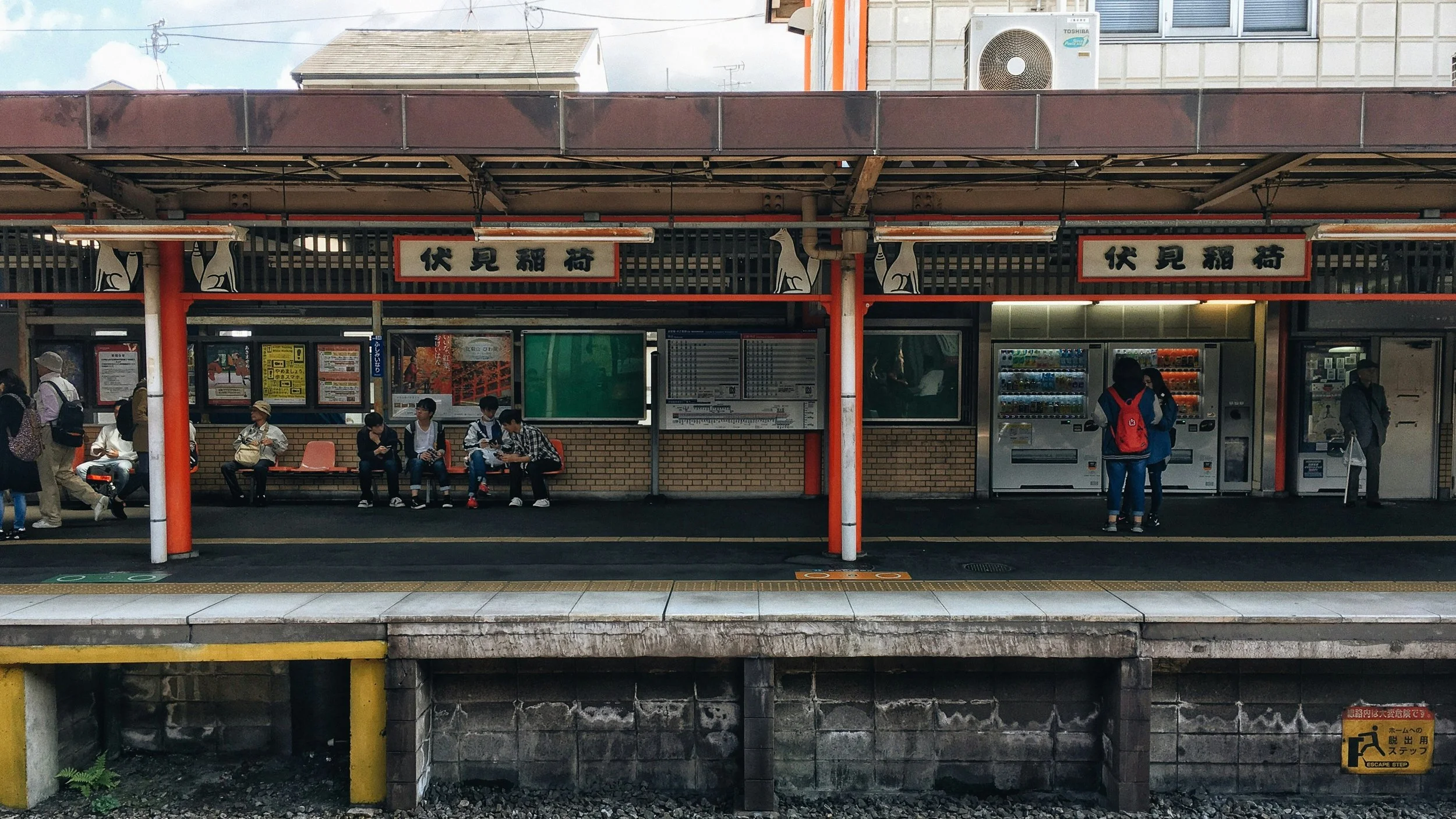
Japan's public transportation is operated by dozens of different companies, not one national system. The largest is Japan Railways (JR), a privatized group of six regional companies that together run the Shinkansen bullet trains and an extensive network of local and express lines. But in major cities like Tokyo, Osaka, and Kyoto, you'll also use subways, private railways, and buses run by completely separate operators.
The good news: despite the complexity, the system is remarkably user-friendly once you understand a few basics. Signs are in English at major stations, trains run with surgical precision, and a single prepaid card can get you on almost any form of transport in the country.
The Shinkansen (Bullet Train): Japan's Crown Jewel
What It Is
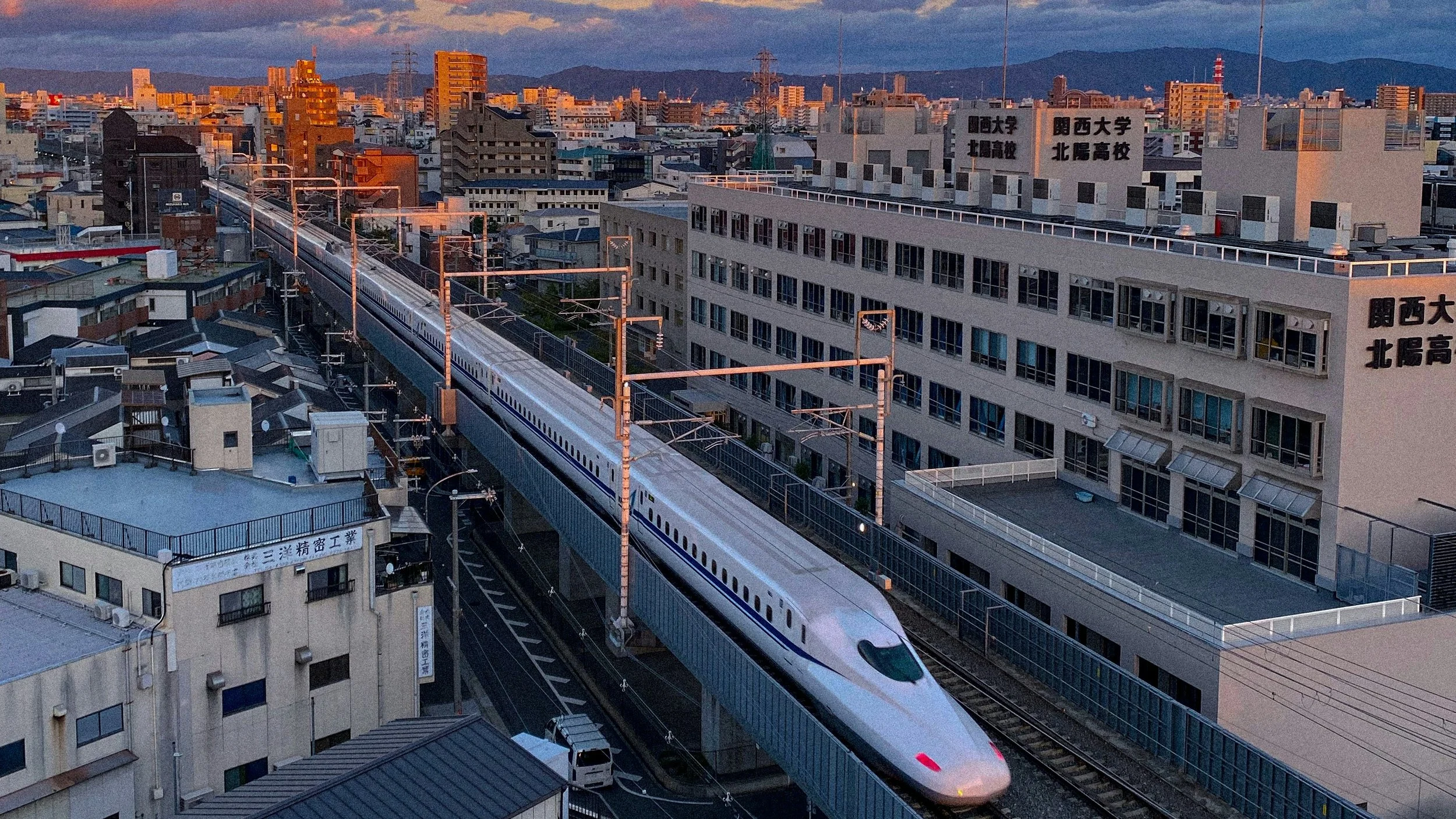
The Shinkansen is Japan's high-speed rail network, connecting major cities at speeds up to 320 km/h (200 mph). Launched in 1964 for the Tokyo Olympics, it remains one of the world's most advanced rail systems, with a cumulative safety record of zero fatal derailment accidents in over 60 years of operation.
Key Routes for Travelers
Tokyo → Kyoto: 2 hours 15 minutes (Hikari train). This is the most popular tourist route in Japan.
Tokyo → Osaka: 2 hours 30 minutes (Hikari). Add 15 minutes from Kyoto.
Tokyo → Hiroshima: 4 hours (Hikari with transfer, or Nozomi direct in 3h40).
Tokyo → Kanazawa: 2 hours 30 minutes (Hokuriku Shinkansen).
Tokyo → Sendai: 1 hour 30 minutes (Tohoku Shinkansen).
Tokyo → Hakodate (Hokkaido): 4 hours (Hokkaido Shinkansen).
Train Categories
Not all Shinkansen are equal. On the Tokaido line (Tokyo–Osaka–Hiroshima), there are three tiers:
Nozomi: The fastest. Stops only at major stations. Tokyo to Kyoto in about 2h10. Not covered by the JR Pass (though a supplement ticket can now be purchased).
Hikari: Nearly as fast, with a few more stops. Tokyo to Kyoto in about 2h15. Covered by the JR Pass.
Kodama: The local Shinkansen, stopping at every station. Tokyo to Kyoto in about 3h40. Covered by the JR Pass, and often the emptiest option.
Seat Types
Non-reserved (jiyuseki): Sit in any available seat in designated cars. No booking needed, but no guarantee of a seat during peak times.
Reserved (shiteiseki): Choose your exact seat in advance. Free of charge for JR Pass holders. Recommended during Golden Week, Obon, and New Year.
Green Car (first class): Larger seats, more legroom, quieter cars. Requires a Green Car JR Pass or a premium ticket.
Practical Tips
Seats face forward and can be rotated (groups can face each other)
There are overhead racks for luggage, but oversized bags (over 160 cm total dimensions) require reservation of special baggage seats
Food carts pass through regularly; the ekiben (station bento box) is a beloved travel tradition, buy one at the station before boarding
Trains depart to the second. If the schedule says 10:33, the doors close at 10:33. Be on the platform at least 5 minutes early.
The Japan Rail Pass (JR Pass)
What It Is ?
The JR Pass is a special ticket for foreign tourists offering unlimited travel on most JR trains, including the Shinkansen (except Nozomi and Mizuho, unless you purchase a supplement ticket), for 7, 14, or 21 consecutive days.
Is It Worth It?
After a significant price increase in October 2023, the JR Pass is no longer the obvious deal it once was. Here's a quick reference:
Tokyo → Kyoto round trip on Hikari: about ¥27,000. Add a day trip to Hiroshima (another ~¥20,000 round trip from Kyoto) and the 7-day pass pays for itself.
If you stay in one city the whole trip: the JR Pass is almost certainly not worth it. Use an IC card instead.
If you visit 3+ cities: the pass likely saves money and, more importantly, saves time and hassle, no individual tickets to buy.
Use the JR Pass calculator on the official JR Pass website to check your specific itinerary before purchasing.
What It Covers ?
All JR Shinkansen (except Nozomi/Mizuho without supplement)
All JR local, rapid, and express trains nationwide
Narita Express (Tokyo airport to city center)
Haruka Express (Kansai Airport to Kyoto/Osaka)
Some JR buses and the JR Miyajima Ferry
Free seat reservations on any covered train
What It Does NOT Cover ?
Tokyo Metro and Toei Subway lines
Private railways (Odakyu, Kintetsu, Hankyu, Keio, etc.)
City buses (except JR-operated routes)
Nozomi and Mizuho Shinkansen (without supplement ticket)
How to Buy ?
Purchase online through the official JR Pass website or through an authorized overseas agent. Pick up the physical pass at a JR ticket office (Midori no Madoguchi) at major stations upon arrival in Japan. You'll need your passport with a temporary visitor stamp.
IC Cards: Your Best Friend in Japan
IC cards are rechargeable contactless smart cards used to pay for trains, buses, subways, and even convenience store purchases across Japan. Think of them as Japan's version of London's Oyster card or Paris's Navigo, but accepted almost everywhere in the country.
The Main Cards
Suica (JR East — Tokyo area)
Pasmo (Tokyo private railways and subway)
ICOCA (JR West — Osaka/Kyoto area)
Welcome Suica (designed for tourists — no deposit, valid 28 days)
The great news: all major IC cards are interchangeable nationwide. A Suica bought in Tokyo works on subways in Osaka, buses in Kyoto, and trains in Fukuoka.
How to Get One
Physical card: Available at JR ticket machines in major stations (¥500 deposit + initial charge). Note: physical Suica and Pasmo cards have been in limited supply since 2023 due to a global chip shortage. Welcome Suica cards remain available at airports and major tourist stations.
Digital card (iPhone only): Add a Suica or Pasmo to your Apple Wallet. This is the most convenient option, no deposit, instant top-up with a credit card, and no risk of losing a physical card.
Android users: Can use a mobile Suica through the Suica app (requires a Japanese phone number in some cases, check compatibility before your trip).
How to Use
Simply tap the card on the reader at the ticket gate when entering and exiting. The correct fare is automatically deducted. You never need to figure out ticket prices or buy individual tickets.
Beyond Transport
IC cards work as payment at convenience stores (7-Eleven, Lawson, FamilyMart), vending machines, some restaurants, and coin lockers at stations. This is incredibly useful, Japan is still largely a cash society, and IC cards bridge the gap when you don't have coins.
Navigating Cities
Tokyo
Tokyo's rail network is vast, over 280 stations across 13 subway lines (operated by Tokyo Metro and Toei) plus numerous JR lines. The key JR line for tourists is the Yamanote Line, a loop connecting major hubs: Shibuya, Shinjuku, Ikebukuro, Ueno, Tokyo Station, and Akihabara.
Tips for Tokyo:
Use Google Maps or the Navitime app for real-time route planning, it factors in transfers, walking time, and platform numbers
The subway system is color-coded and numbered (e.g., G-09 for Ginza Line station 9), extremely easy to follow
Rush hour (7:30–9:30 AM) on the Yamanote, Chuo, and major subway lines is intense, avoid traveling with large luggage during this window
Last trains run around midnight; first trains start around 5:00 AM
Kyoto
Kyoto's public transport is more limited than Tokyo's. There are only two subway lines, and many temples and attractions are best reached by bus.
Tips for Kyoto:
The Kyoto City Bus is the main way to reach most temples. A one-day bus pass costs ¥700 and covers most routes
JR Sagano Line takes you to Arashiyama (bamboo grove)
Renting a bicycle is highly recommended for exploring central Kyoto, the city is flat and compact
Taxis are plentiful and relatively affordable for short distances
Osaka
Osaka has an excellent subway system (9 lines) and is well connected to Kyoto (30 minutes by JR) and Nara (45 minutes by Kintetsu).
Tips for Osaka:
The Osaka Metro covers all major areas (Dotonbori, Umeda, Tennoji, Shin-Osaka)
Use the Kintetsu Railway for day trips to Nara (cheaper and more direct than JR)
Shin-Osaka Station is the Shinkansen hub; Osaka Station (Umeda) is the city center hub, they are different stations
Airports and Getting to the City
From Narita Airport (Tokyo)
Narita Express (N'EX): 1 hour to Tokyo Station, 1.5 hours to Shibuya/Shinjuku. Covered by JR Pass. ¥3,250 without pass.
Skyliner (Keisei): 36 minutes to Ueno. ¥2,520. Not covered by JR Pass.
Airport Limousine Bus: 85–120 minutes depending on traffic. ¥3,200. Direct to many hotels.
From Haneda Airport (Tokyo)
Tokyo Monorail: 13 minutes to Hamamatsucho Station (connect to JR Yamanote Line). Covered by JR Pass.
Keikyu Line: Direct to Shinagawa (11 min), Yokohama (30 min). Not covered by JR Pass.
From Kansai International Airport (Osaka)
Haruka Express: 75 minutes to Kyoto, 50 minutes to Shin-Osaka. Covered by JR Pass. ~¥3,600 without pass.
Nankai Rapi:t: 34 minutes to Namba (central Osaka). ¥1,450. Not covered by JR Pass.
Buses
City Buses
Essential in Kyoto, useful in smaller cities. Most operate on a flat fare (¥230 in Kyoto) or distance-based system. Enter through the rear door, exit through the front, and pay when you get off. IC cards are accepted on most city buses.
Highway Buses
Japan's highway buses are a budget-friendly alternative to the Shinkansen for intercity travel. Tokyo to Osaka takes about 8 hours by bus but costs as little as ¥3,000–¥5,000 (versus ¥14,000+ by Shinkansen). Overnight buses are particularly popular, depart around 11 PM, arrive by 7 AM, and save a night's hotel.
Top operators: Willer Express, JR Bus (partially covered by JR Pass), Kosoku Bus.
Comfort levels range from basic 4-row seats to luxurious 3-row reclining pods with privacy curtains, blankets, and slippers.
Taxis
Taxis in Japan are clean, safe, and metered, but expensive. A short ride in Tokyo starts at ¥500 and climbs quickly. They are most useful for:
Late-night travel (after the last train around midnight)
Getting to/from ryokan or rural accommodations not near a station
Traveling with heavy luggage or small children
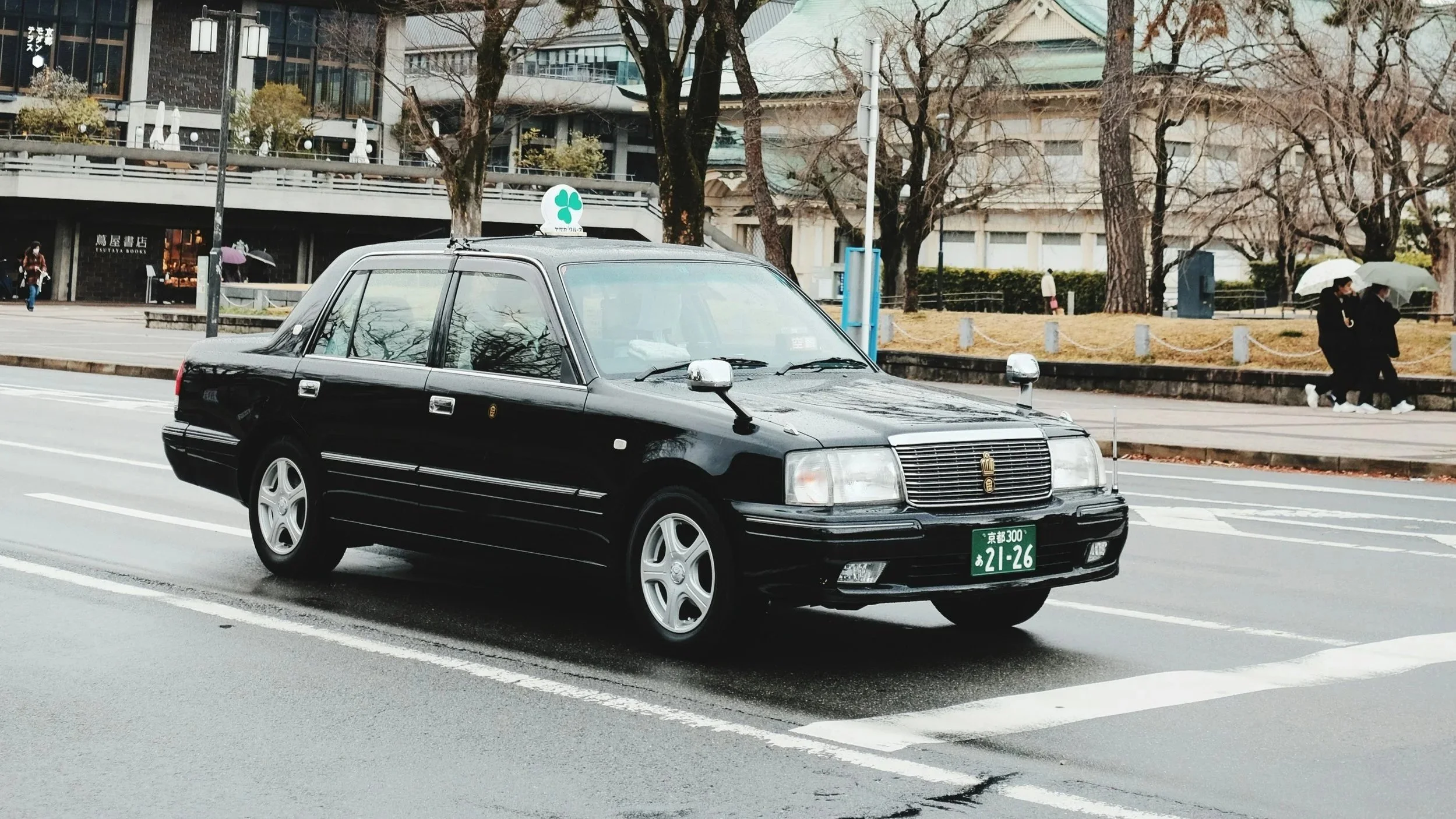
Tips:
Doors open and close automatically — don't try to open them yourself
Most drivers don't speak English — have your destination written in Japanese or show it on Google Maps
Taxis in Japan are honest — scams are essentially nonexistent
Renting a Car
Outside major cities, renting a car unlocks rural Japan: Hokkaido's open roads, Shikoku's coastal drives, and the remote villages of the Japanese Alps. Japan drives on the left. An International Driving Permit (IDP) is required.
Best for: Hokkaido, Okinawa, rural Tohoku, Shikoku, Kyushu countryside. Avoid for: Tokyo, Osaka, Kyoto (parking is expensive and traffic is dense).
Rental cars start from about ¥5,000–¥8,000 per day. Most are compact automatics with GPS navigation in English.
Essential Apps for Getting Around
Google Maps: Works excellently in Japan with real-time transit directions, platform numbers, and fare estimates
Navitime for Japan Travel: English-language app with detailed transit routing, especially useful for complex transfers
Japan Travel by Navitime: Free app with offline maps, IC card balance tracking, and tourist pass route planning
Hyperdia (now integrated into other services): Traditional tool for train schedule lookup
Top 10 Transportation Tips for First-Time Visitors
Get an IC card on day one — either a Welcome Suica at the airport or a digital Suica on your iPhone
Don't assume you need a JR Pass — run your itinerary through the calculator first
Reserve Shinkansen seats if traveling during Golden Week, Obon, or New Year
Stand on the correct side of escalators — left in Tokyo, right in Osaka
Don't eat on local trains — it's acceptable on the Shinkansen but considered rude on subways and local lines
Keep your ticket until you exit — you need it to pass through the exit gate
Luggage forwarding (takkyubin) is a game-changer — send your suitcase from hotel to hotel via Yamato Transport (Kuroneko) for about ¥2,000 per bag and travel light
Download offline maps — cellular data can be spotty in rural areas and underground
Check the last train time — missing it means a ¥5,000+ taxi ride or waiting until 5 AM
Ask station staff for help — they are genuinely helpful, and many carry translation devices
Need help planning your Japan transportation ? Contact Japan Horizons, we handle all logistics so you can focus on the experience.
Sources & Further Reading:
Japan National Tourism Organization — japan.travel/en/guide/jr-rail-pass
Japan Guide — japan-guide.com/e/e2359.html
Official JR Pass — japanrailpass.net
Smart EX Shinkansen Booking — smart-ex.jp
