

The Four Seasons of Japan : When Is the Best Time to Visit?
Japan is one of the few countries in the world where every season delivers an entirely different travel experience. From snow-covered temples in winter to fiery red maples in autumn, the Japanese calendar is a living canvas of color, weather, and tradition. In this guide, we break down each season month by month so you can plan the trip that matches your dream.
Why Seasons Matter So Much in Japan
Japan's geography, a long, narrow archipelago stretching over 3,000 km from subarctic Hokkaido to subtropical Okinawa, means that climate varies dramatically depending on where and when you go. But beyond weather, seasons in Japan carry deep cultural significance. The Japanese concept of shiki (四季) - the four seasons - is woven into food, fashion, festivals, art, and daily life. Menus change with the seasons. Kimono patterns reflect the current blooms. Temples and gardens are designed to peak at specific times of year.
Understanding Japan's seasons doesn't just help you pack the right clothes, it helps you experience the country the way the Japanese themselves do.
Spring (March – May): Cherry Blossoms and New Beginnings
What to Expect
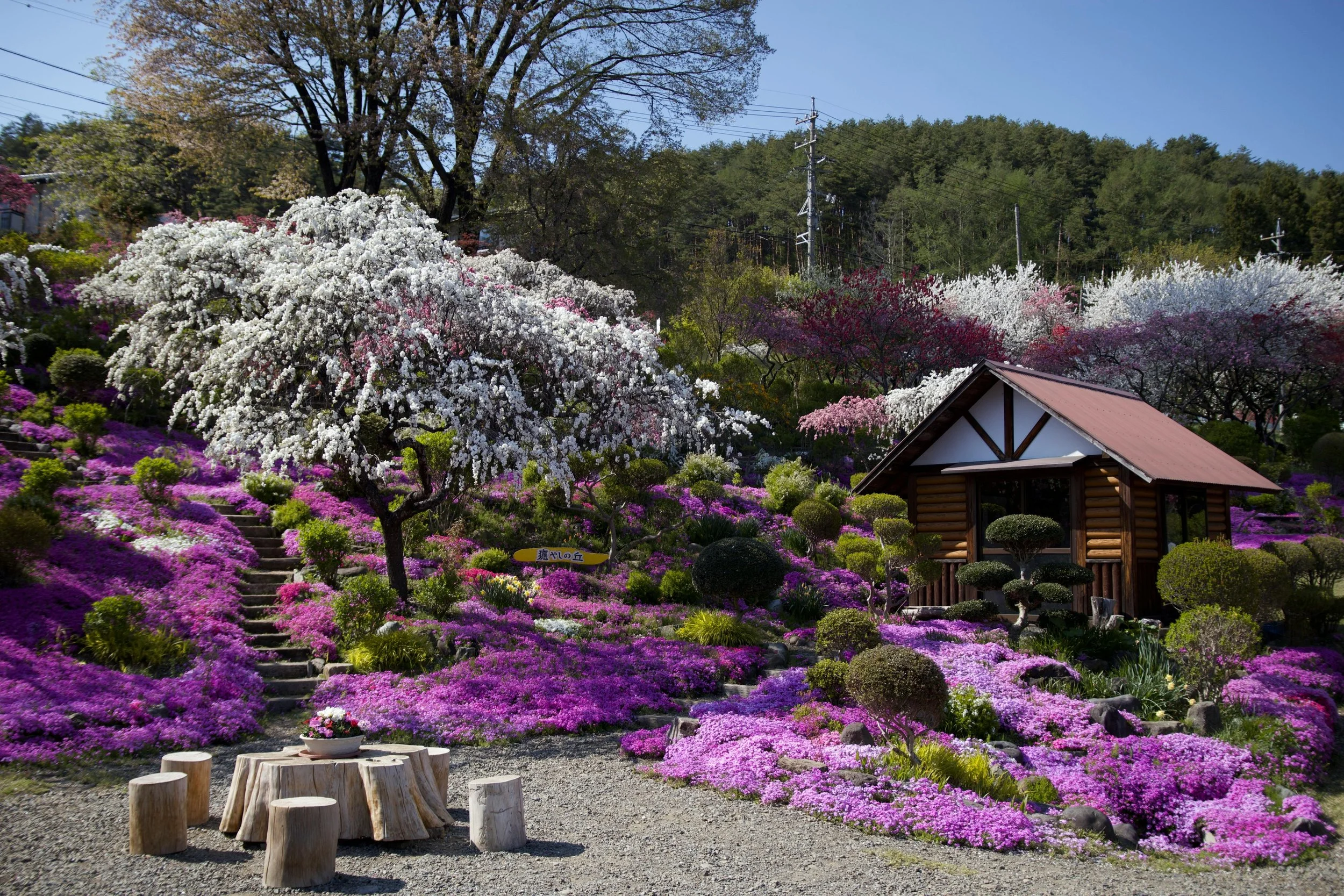
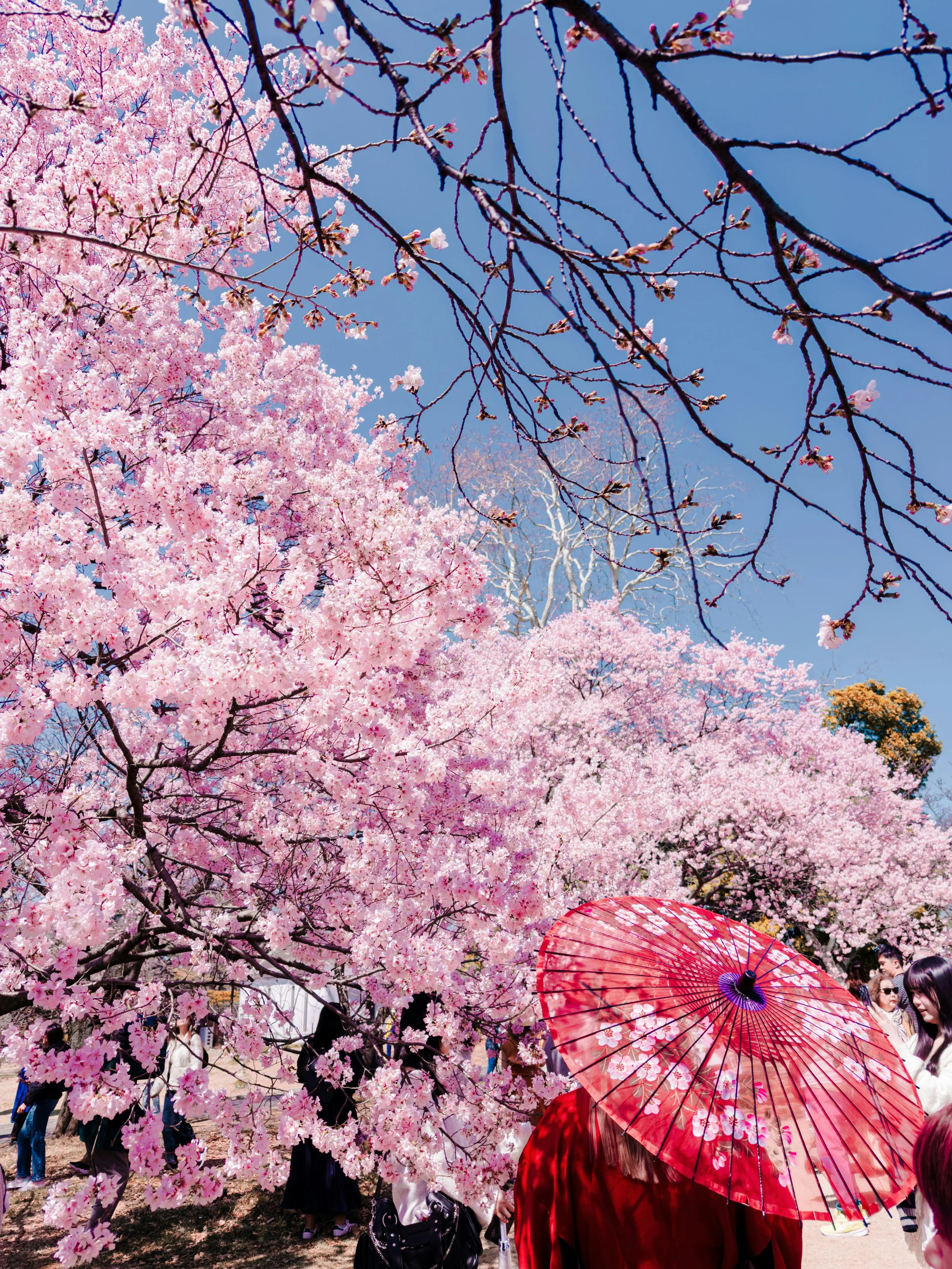
Spring is Japan's most iconic season. Temperatures range from 8°C to 20°C (46°F to 68°F), and the days grow longer and warmer as the weeks progress. The star of the show is undeniably the sakura (cherry blossom), which transforms parks, riverbanks, temples, and entire city streets into tunnels of pale pink.
Cherry Blossom Season (Sakura)
The cherry blossom front, known as the sakura zensen, typically begins in southern Kyushu around mid-March and sweeps northward, reaching Tokyo and Kyoto by late March to early April, and Hokkaido by mid-May. The full bloom window lasts only about one week per location, which is why timing your trip is critical.
Best cherry blossom spots:
Tokyo: Ueno Park, Meguro River, Shinjuku Gyoen, Chidorigafuchi
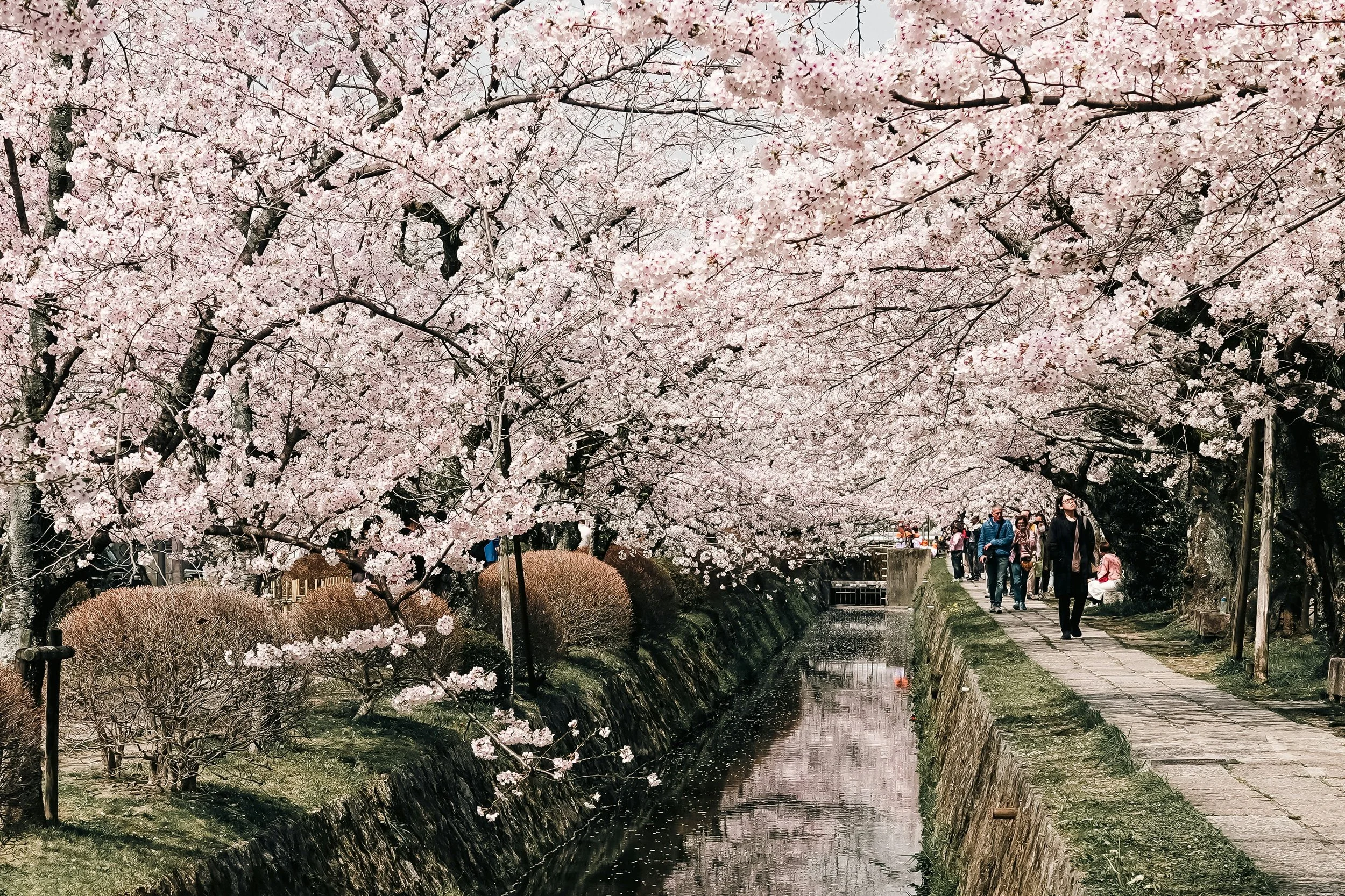
Kyoto: Philosopher's Path, Maruyama Park, Arashiyama, Daigoji Temple
Osaka: Osaka Castle Park, Kema Sakuranomiya Park
Yoshino (Nara Prefecture): Over 30,000 cherry trees covering an entire mountainside, considered the most spectacular sakura site in Japan
Hirosaki (Aomori): 2,600 trees around Hirosaki Castle, with petals floating on the moat
Hanami: The Art of Cherry Blossom Viewing
Hanami (花見, literally "flower viewing") is Japan's beloved tradition of gathering under blooming cherry trees for picnics, food, and drinks. It's not a formal event, it's something friends, families, and colleagues do spontaneously. Parks fill up early in the morning with blue tarps laid out to reserve spots. By evening, the mood shifts to yozakura (night-time cherry blossom viewing) under illuminated trees.
What Else Happens in Spring
Golden Week (late April – early May): A cluster of four national holidays within one week. It's one of the busiest domestic travel periods. Expect crowds, higher prices, and fully booked hotels, but also vibrant energy across the country.
Wisteria season (mid-April to mid-May): Ashikaga Flower Park in Tochigi and Kawachi Fujien in Kitakyushu are famous for their cascading purple wisteria tunnels.
Fresh green (shinryoku): After the sakura falls, Japan enters a brilliant phase of lush green foliage, especially beautiful in temple gardens and mountain areas.
Spring Travel Tips
Book at least 3–4 months ahead if visiting during peak sakura weeks
Layers are essential: mornings can be chilly, afternoons warm
Check the Japan Meteorological Corporation's sakura forecast (updated weekly from January)
Summer (June – August): Festivals, Fireworks, and Tropical Heat
What to Expect
Summer in Japan is hot and humid. Temperatures in Tokyo and Osaka regularly reach 33–36°C (91–97°F) with humidity above 70%. It can feel oppressive, especially in cities. However, summer is also the season of Japan's most spectacular festivals and fireworks, making it worth the sweat.
Rainy Season (Tsuyu)
Before the full heat arrives, Japan experiences tsuyu (梅雨, literally "plum rain") - the rainy season - typically from early June to mid-July. It affects most of Honshu, Shikoku, and Kyushu. Hokkaido largely escapes it. Despite the name, it doesn't rain every day, expect a mix of overcast skies, sudden downpours, and humid but manageable days.
Silver lining of tsuyu: Hydrangea (ajisai) bloom beautifully during rainy season. Meigetsuin Temple in Kamakura and Mimurotoji Temple near Kyoto are stunning during this period. Crowds are thinner and hotel prices drop.
Summer Highlights
Fireworks festivals (hanabi taikai): Japan hosts over 500 fireworks festivals during summer. The Sumida River Fireworks Festival in Tokyo (late July) draws nearly a million spectators. Other notable ones include the Lake Biwa Fireworks in Shiga and Omagari Fireworks in Akita.
Matsuri (festivals): Summer is peak festival season. The Gion Matsuri in Kyoto (all of July), the Nebuta Matsuri in Aomori (August 2–7), the Tenjin Matsuri in Osaka (July 24–25), and the Awa Odori in Tokushima (August 12–15) are unmissable.
Obon (mid-August): The Buddhist festival honoring ancestors. Families return to their hometowns, and the beautiful Bon Odori dances take place across the country. Atmospheric lantern-lit ceremonies are held at temples.
Mount Fuji climbing season: Officially open from early July to mid-September. Most climbers do overnight ascents to watch sunrise (goraiko) from the summit.
Escaping the Heat
Hokkaido: Comfortable summer temperatures (20–25°C), lavender fields in Furano, and fresh seafood
Japanese Alps: Kamikochi and Tateyama offer cool mountain air and stunning hiking
Okinawa: Tropical beaches, snorkeling, and a distinct Ryukyuan culture, though typhoon season peaks in August
Summer Travel Tips
Carry a small towel (tenugui) and a portable fan, the Japanese do
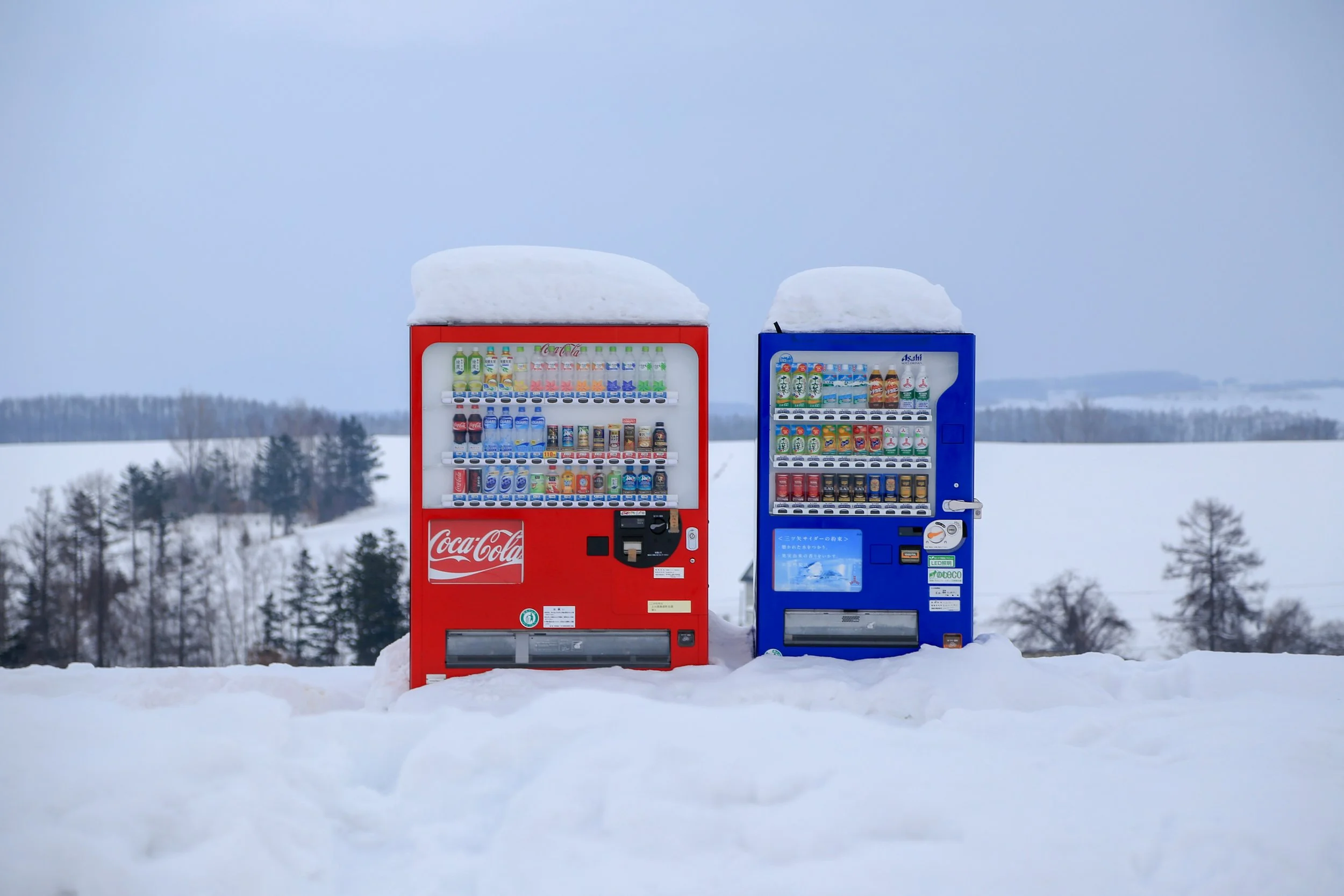
Hydrate constantly; convenience stores sell chilled drinks and frozen treats everywhere
Light, breathable clothing is essential; many temples require covered shoulders
Budget hotels sometimes offer "cool stay" plans with iced amenities
Autumn (September – November): Fiery Foliage and Mild Perfection
What to Expect
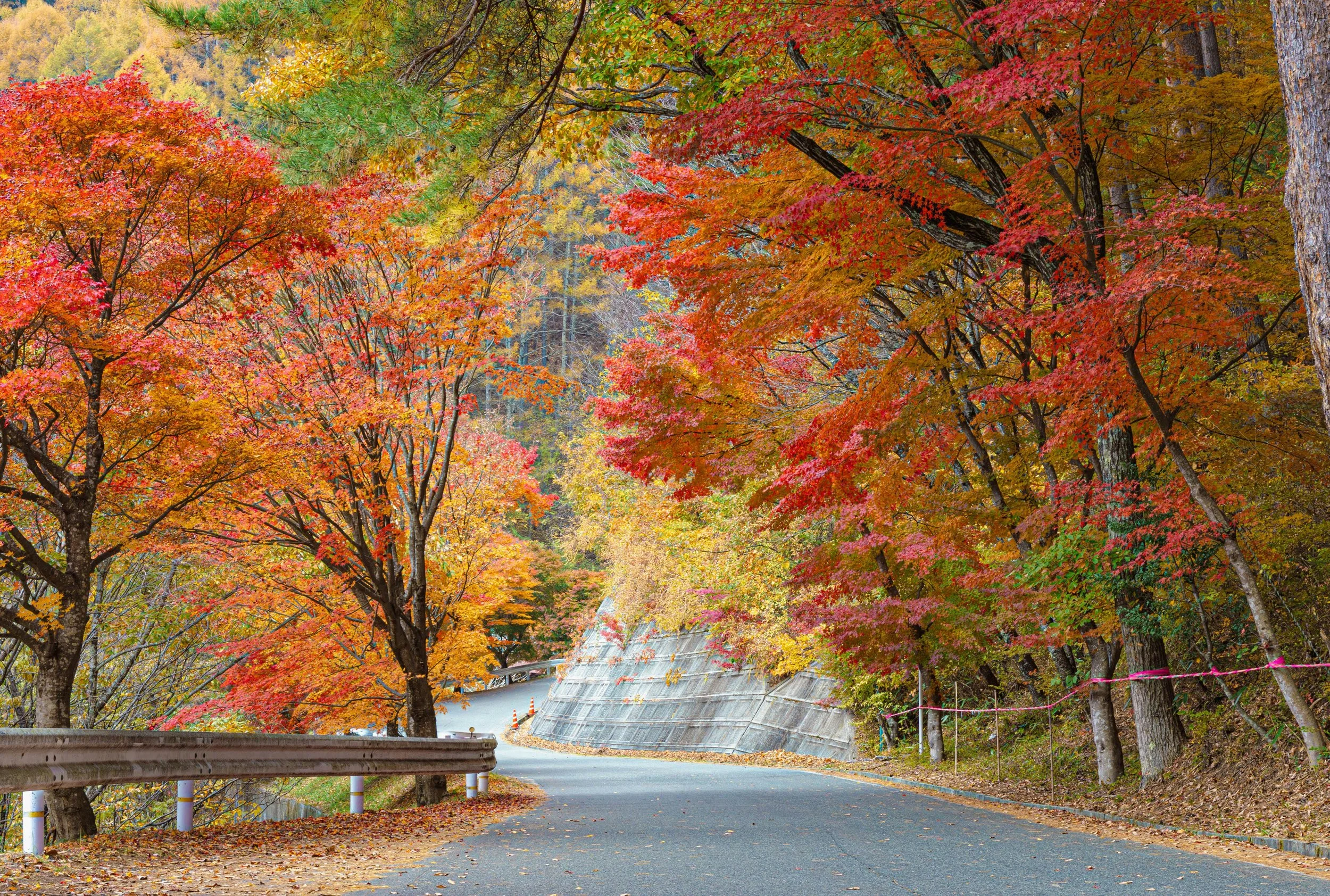
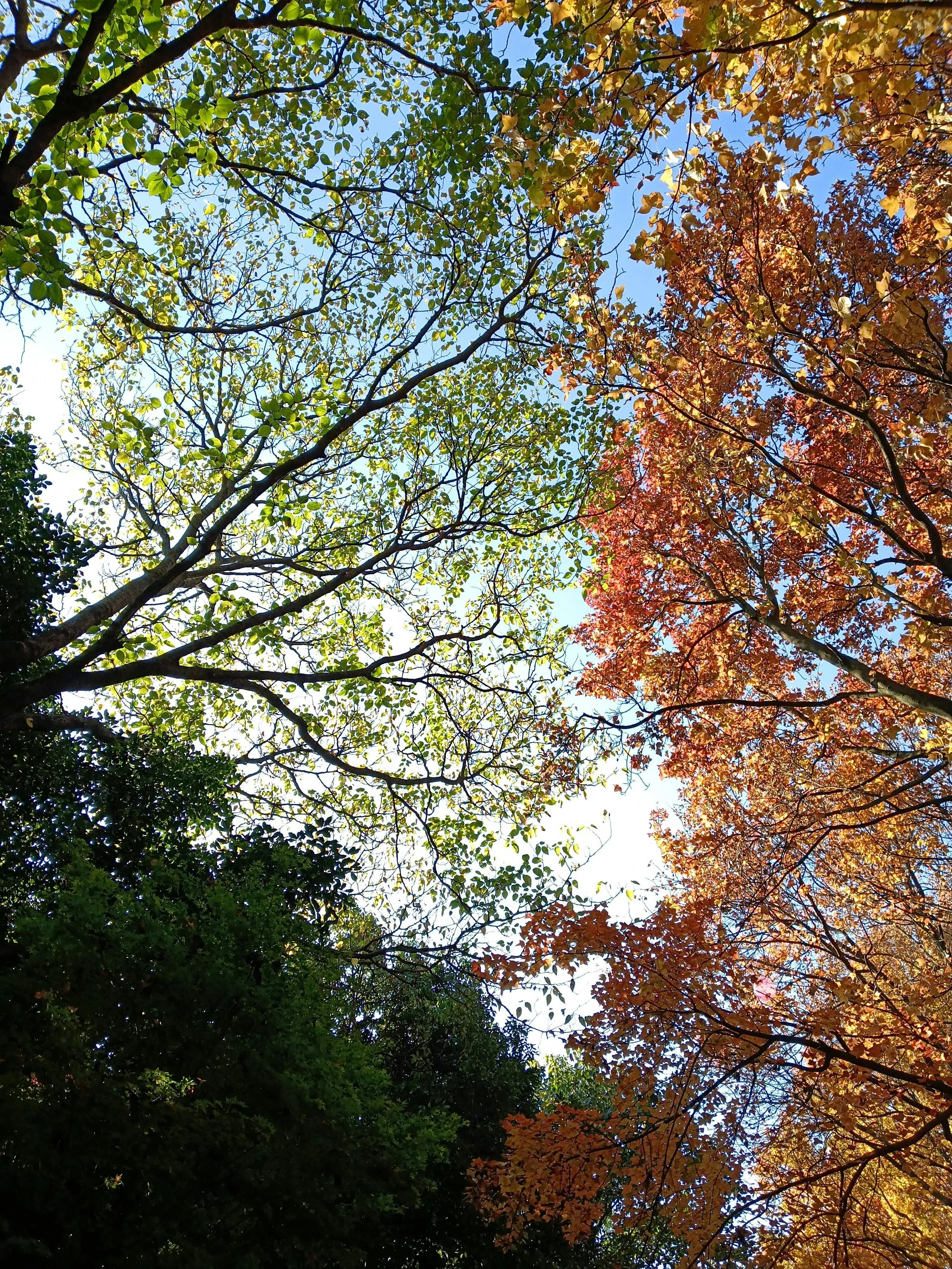
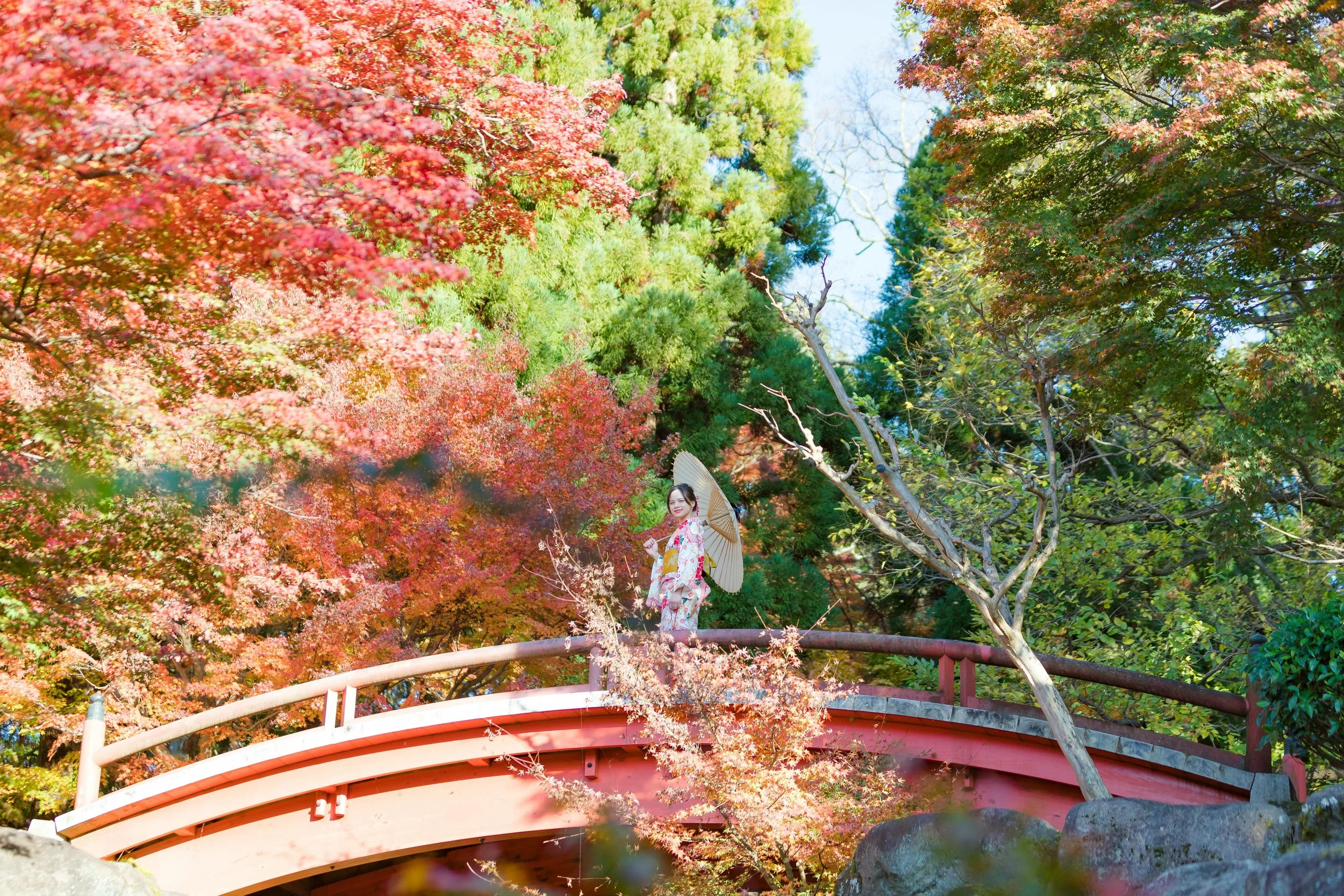
Many seasoned Japan travelers consider autumn the best season to visit. Temperatures cool to a pleasant 10–22°C (50–72°F), humidity drops, and the skies are frequently clear and blue. The star attraction is koyo (紅葉) - the changing of the leaves - when maples, ginkgos, and other deciduous trees turn vivid shades of red, orange, and gold.
Autumn Foliage (Koyo)
Like cherry blossoms in spring, the autumn color front moves predictably, but in reverse, starting in northern Hokkaido in mid-September and reaching Kyoto and Tokyo by mid-to-late November.
Best koyo spots:
Kyoto: Tofukuji Temple (thousands of maples), Eikando Temple, Arashiyama bamboo grove surroundings, Kiyomizudera
Tokyo: Meiji Jingu Gaien (famous ginkgo avenue), Rikugien Garden (illuminated at night), Koishikawa Korakuen
Nikko (Tochigi): Spectacular mountain foliage around ornate Tokugawa-era shrines
Hakone: Lake Ashi with Mount Fuji in the background framed by red maples
Daisetsuzan National Park (Hokkaido): The first place in Japan to see autumn color, as early as mid-September at higher elevations
Autumn Food
Autumn is arguably Japan's best food season. Seasonal specialties include sanma (grilled Pacific saury), matsutake mushrooms, kuri (chestnuts in everything, ice cream, rice, mochi), shinmai (new harvest rice), and nashi (Japanese pear). Many restaurants offer special autumn-only menus.
Other Autumn Highlights
Shichi-Go-San (November 15): A celebration of children aged 3, 5, and 7. Families dress their children in traditional kimono and visit shrines. It's charming to witness.
Harvest festivals: Smaller towns hold harvest celebrations with local food and sake
Sumo: The September tournament (basho) takes place in Tokyo at Ryogoku Kokugikan
Autumn Travel Tips
Kyoto in mid-November is extremely popular, book 4–6 months ahead
The weather is ideal for walking: plan longer temple visits and hiking
Bring layers: mornings and evenings cool quickly, especially in mountain areas
Autumn illuminations at temples (especially in Kyoto) create stunning nighttime views
Winter (December – February): Snow, Onsen, and Quiet Beauty
What to Expect
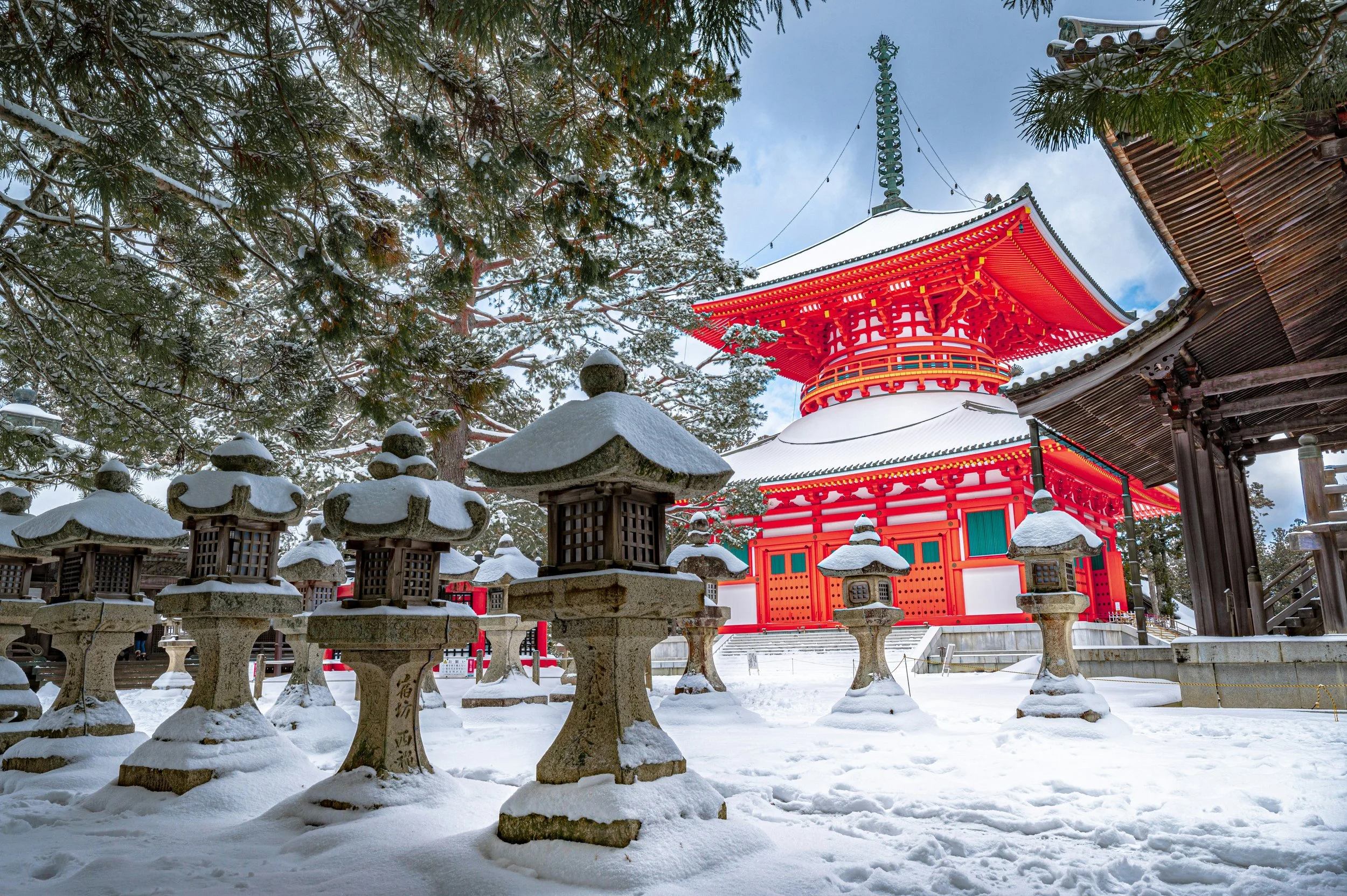
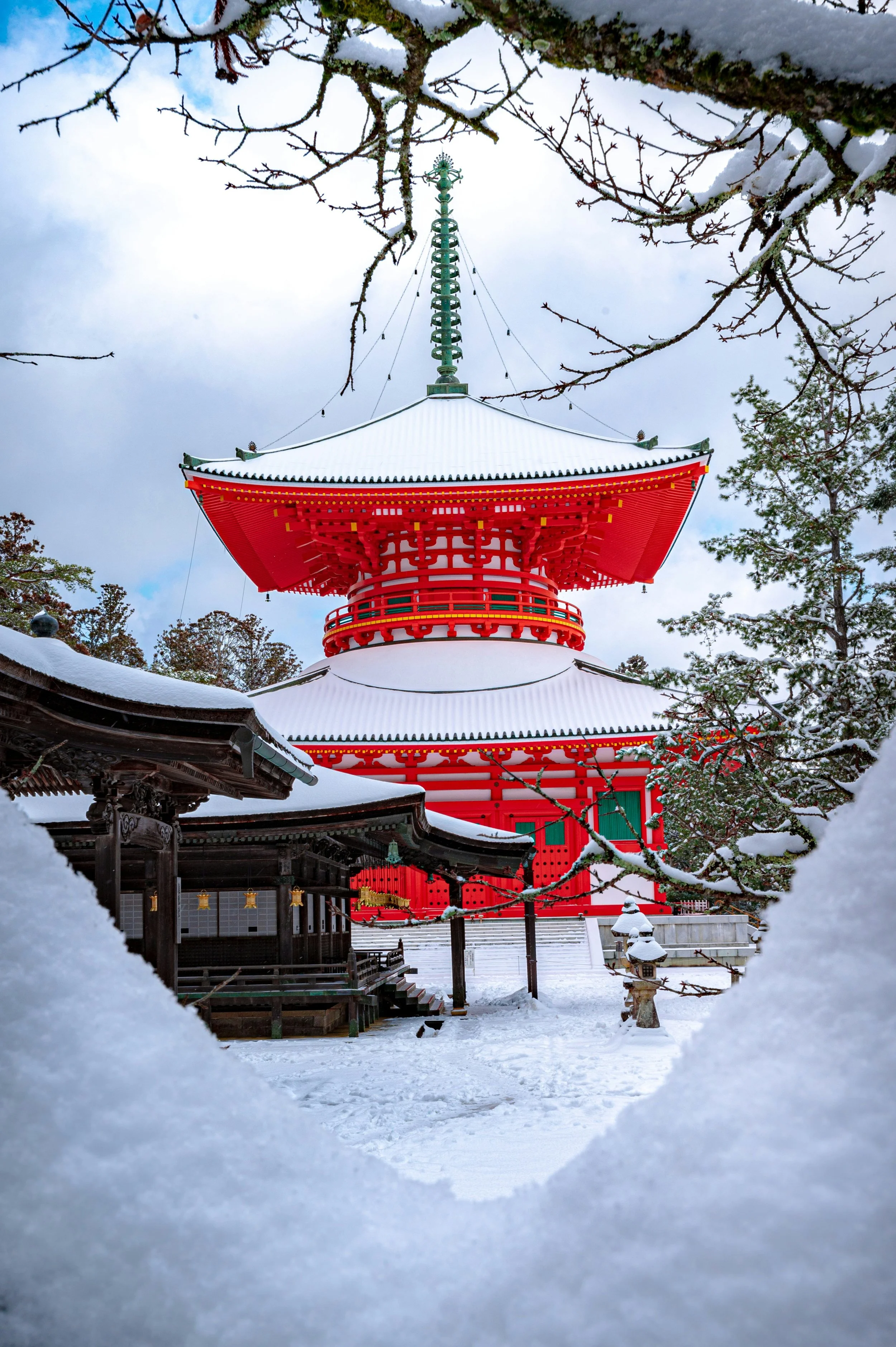
Winter in Japan varies enormously by region. Tokyo and the Pacific coast stay relatively mild (2–10°C / 36–50°F) with rare snowfall and clear skies. The Sea of Japan side and northern Honshu receive heavy snowfall, some of the heaviest in the world. Hokkaido becomes a winter wonderland.
Snow Country Experiences
Skiing and snowboarding: Niseko (Hokkaido), Hakuba (Nagano), and Nozawa Onsen (Nagano) are world-class resorts with reliable powder snow. Japan's snow is famous for being exceptionally light and dry, "Japow" has become a global skiing term.
Snow monkeys (Jigokudani, Nagano): The iconic image of Japanese macaques soaking in hot springs surrounded by snow. Best visited December through February.
Shirakawa-go (Gifu): UNESCO World Heritage village of traditional thatched-roof farmhouses (gassho-zukuri) illuminated at night against a backdrop of snow. Limited illumination events require a lottery ticket.
Onsen (Hot Spring) Culture
Winter is peak onsen season. There is nothing quite like soaking in a steaming outdoor hot spring (rotenburo) while snow falls around you. Top winter onsen destinations include Ginzan Onsen (Yamagata, the inspiration for Spirited Away), Nyuto Onsen (Akita), Kusatsu Onsen (Gunma), and Kinosaki Onsen (Hyogo).
Winter Highlights
Sapporo Snow Festival (early February): One of Japan's biggest winter events, featuring hundreds of massive snow and ice sculptures, some several stories tall. Over 2 million visitors attend annually.
Illuminations: From late November through February, cities across Japan light up with spectacular illumination displays. Kobe Luminarie, Tokyo Midtown, Nabana no Sato (Mie), and Sapporo White Illumination are standouts.
Hatsumode (January 1–3): The first shrine visit of the year. Millions of Japanese visit shrines and temples during the first three days of January. Meiji Jingu in Tokyo draws over 3 million visitors during this period.
New Year cuisine: Osechi ryori (New Year dishes in lacquered boxes), ozoni (mochi soup), and toshikoshi soba (year-crossing noodles) are seasonal highlights.
Winter Travel Tips
Hokkaido and the Japan Sea coast require serious winter gear: insulated coat, waterproof boots, thermal layers
Tokyo winter is mild, a medium coat and scarf are sufficient
Many ryokan (traditional inns) offer winter packages with kaiseki dinners and private onsen
This is low season for tourism (except ski resorts and Sapporo Snow Festival), great deals on hotels
Month-by-Month Quick Guide
January: New Year traditions, snow festivals begin, ski season peaks
February: Sapporo Snow Festival, plum blossoms (ume) begin blooming
March: Cherry blossom season begins in the south, spring warmth arrives
April: Peak sakura in Tokyo and Kyoto, wisteria begins
May: Golden Week, fresh green season, comfortable temperatures
June: Rainy season (tsuyu), hydrangeas, fewer tourists, lower prices
July: Summer festivals begin, fireworks, Mount Fuji climbing season opens
August: Peak matsuri season, Obon, tropical heat, Hokkaido is ideal
September: Heat subsides, first autumn colors in Hokkaido, sumo in Tokyo
October: Comfortable weather, autumn foliage begins, harvest festivals
November: Peak koyo in Kyoto and Tokyo, temple illuminations
December: Illuminations, snow begins in the north, onsen season, quiet travel
Our Recommendation
There is no wrong time to visit Japan, only different experiences. If this is your first trip and you want the most iconic experience, aim for late March to mid-April (cherry blossoms) or mid-November (autumn foliage in Kyoto). If you want fewer crowds and better prices, January, February, June, and early September offer excellent value with their own unique charm.
At Japan Horizons, we design every itinerary around the season you choose, matching your dates with the destinations, festivals, and experiences that will be at their peak. Because in Japan, timing isn't just practical. It's poetic.
Ready to plan your seasonal Japan trip? Contact us or design your custom itinerary.
Sources & Further Reading:
Japan National Tourism Organization (JNTO) — japan.travel
Japan Meteorological Agency — Sakura & Koyo Forecasts
Japan Guide — japan-guide.com/e/e2273.html
