

Packing for Japan is different from packing for most destinations. You'll be taking your shoes off dozens of times a day, walking far more than you expect, dealing with weather that can shift from blazing sun to sudden rain in an hour, and navigating a country where convenience stores solve problems you didn't know you had. This guide covers exactly what to bring, what to leave behind, and the Japan-specific items that will make your trip dramatically smoother.
The Golden Rule: Pack Light
This is the single most important packing advice for Japan. Here's why:
Train stations have stairs everywhere. Many smaller stations have no elevators or escalators. You will carry your bag up and down stairs multiple times per day.
Shinkansen luggage rules are strict. Bags over 160 cm (total of height + width + depth) now require a special oversized luggage reservation on the bullet train. Standard overhead racks are small.
Hotel rooms are compact. A large suitcase open on the floor of a typical Tokyo business hotel will leave you with almost no space to move.
Luggage forwarding (takkyubin) is a game-changer, but it works best when your bags are manageable to begin with.
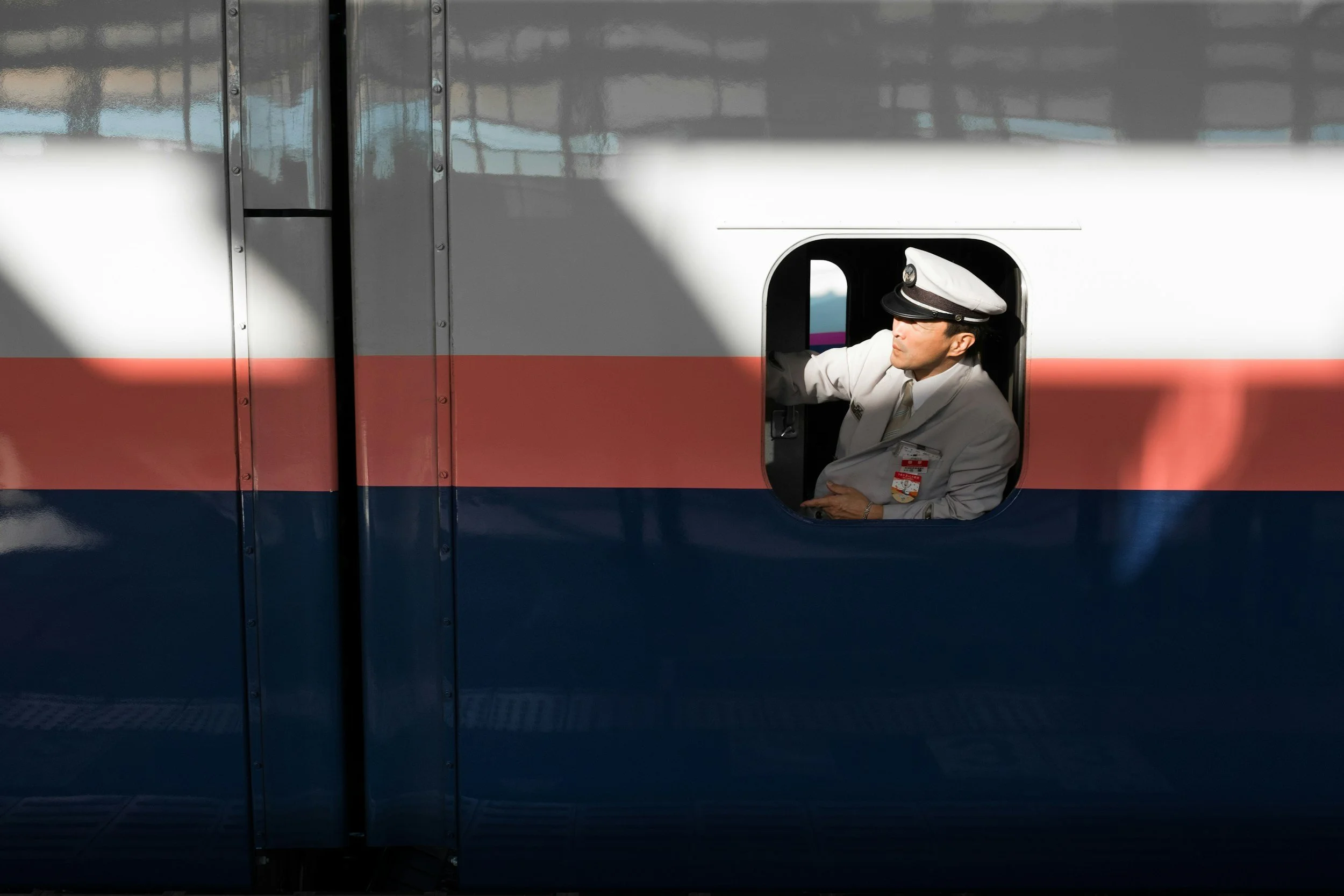
Our recommendation: One carry-on-sized suitcase (55 x 40 x 25 cm) or a 40–50L backpack, plus a daypack. That's it. Japan has laundromats and coin laundry machines in most hotels, you can wash clothes every 3–4 days instead of packing for the entire trip.
Clothing: What to Wear in Japan
General Principles
Japan is a fashion-conscious country, but also a practical one. The key is looking put-together without overdressing. You'll see Japanese people in everything from immaculate suits to streetwear, but rarely in athletic wear outside of gyms.
Smart casual works everywhere, restaurants, temples, shopping districts, even nicer izakaya. You don't need formal clothes unless you've booked a high-end restaurant with a dress code (rare).
Comfort matters more than style. You will walk 15,000–25,000 steps per day in Japan. This is not an exaggeration. Your feet are the most important thing to pack for.
Shoes, The Most Important Item
Bring two pairs maximum:
Comfortable walking shoes that are easy to slip on and off. You remove shoes at temples, ryokan, some restaurants, fitting rooms, and homes. Lace-up boots are a nightmare, you'll be retying them 10 times a day. Slip-on sneakers, loafers, or shoes with quick-lace systems are ideal.
A compact pair of backup shoes, lightweight sandals or foldable flats for evenings or in case your main shoes get wet.
Break in your shoes before the trip. New shoes plus 20,000 daily steps equals blisters by Day 2.
Season-Specific Clothing
Spring (March – May)
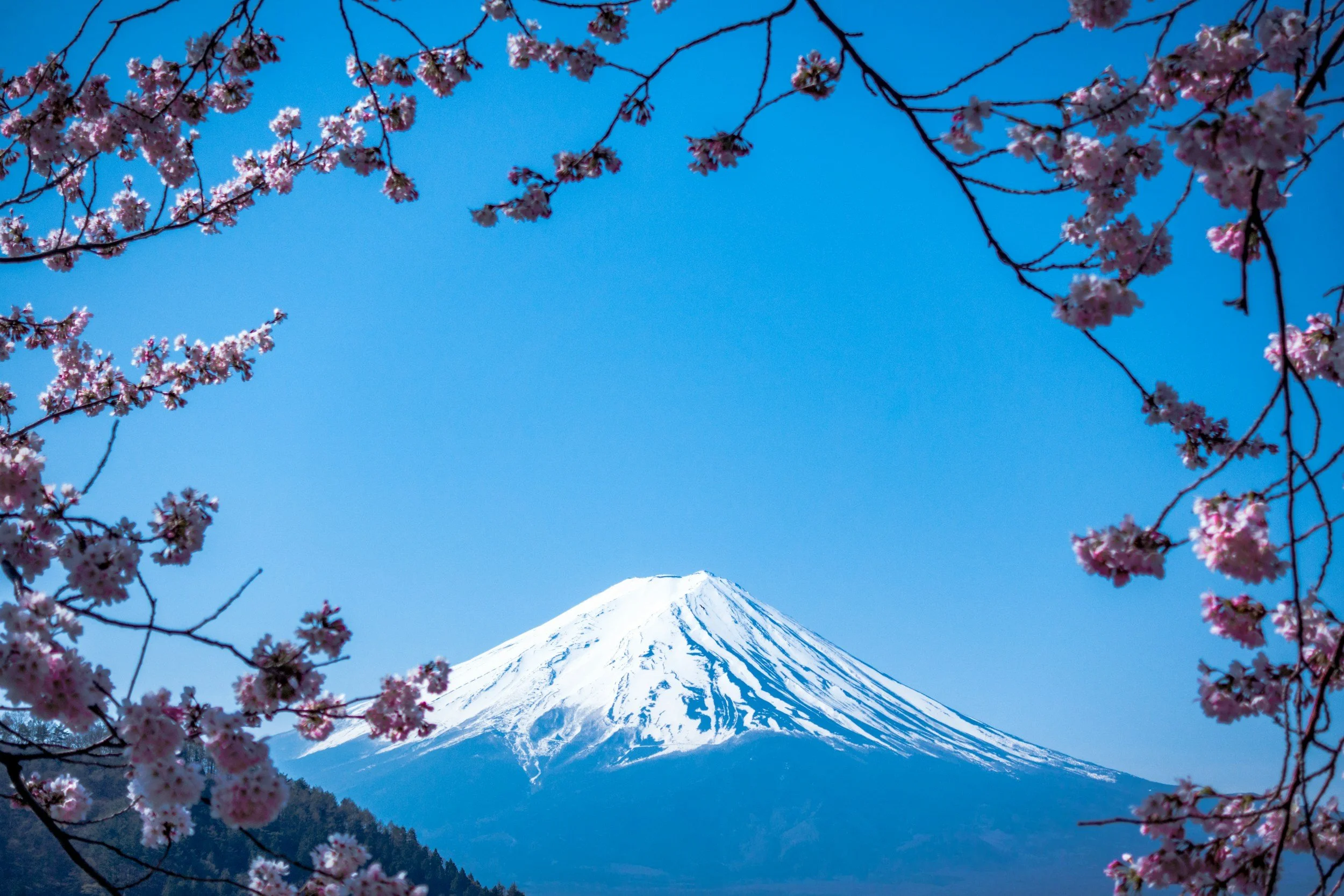
Weather ranges from cool (8°C in early March) to warm (20°C in May). Cherry blossom season means spending hours outdoors in parks.
Light jacket or blazer (mornings and evenings are cool)
Long-sleeve shirts and T-shirts (layers are key)
One pair of jeans or chinos, one pair of lighter trousers
A light scarf (useful for temple visits and cooler evenings)
Rain jacket or compact umbrella (spring showers are common)
Summer (June – August)
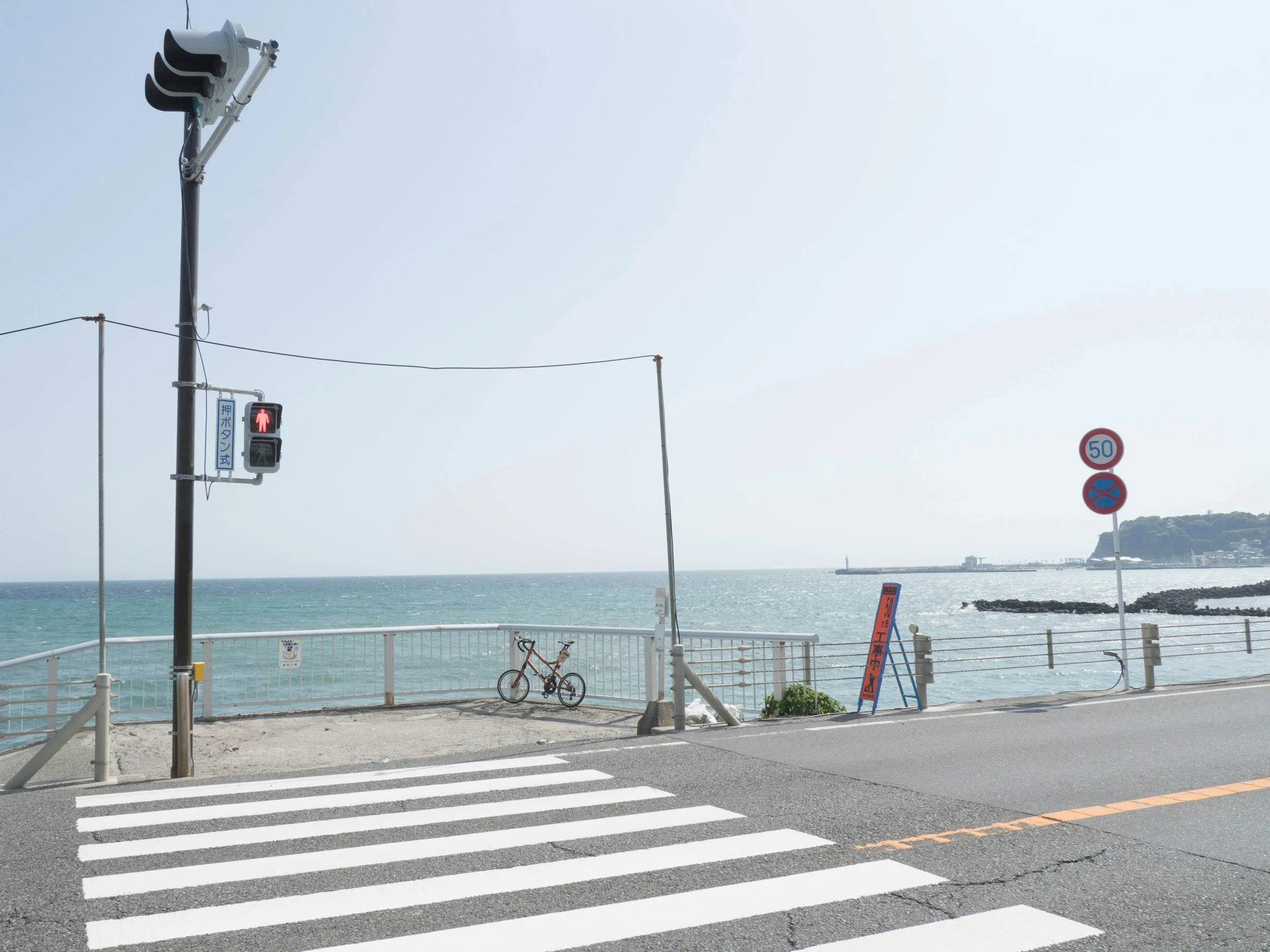
Hot and humid. Temperatures reach 33–36°C with humidity above 70%. You will sweat. A lot.
Light, breathable fabrics (cotton, linen, moisture-wicking synthetics)
Shorts are fine in casual settings but not ideal for temple visits
At least one pair of lightweight long trousers (for temples that require covered legs)
A compact umbrella or rain poncho (essential for rainy season in June–July)
A small hand towel, the Japanese carry them everywhere in summer, and so should you
Sunscreen and a hat
Autumn (September – November)
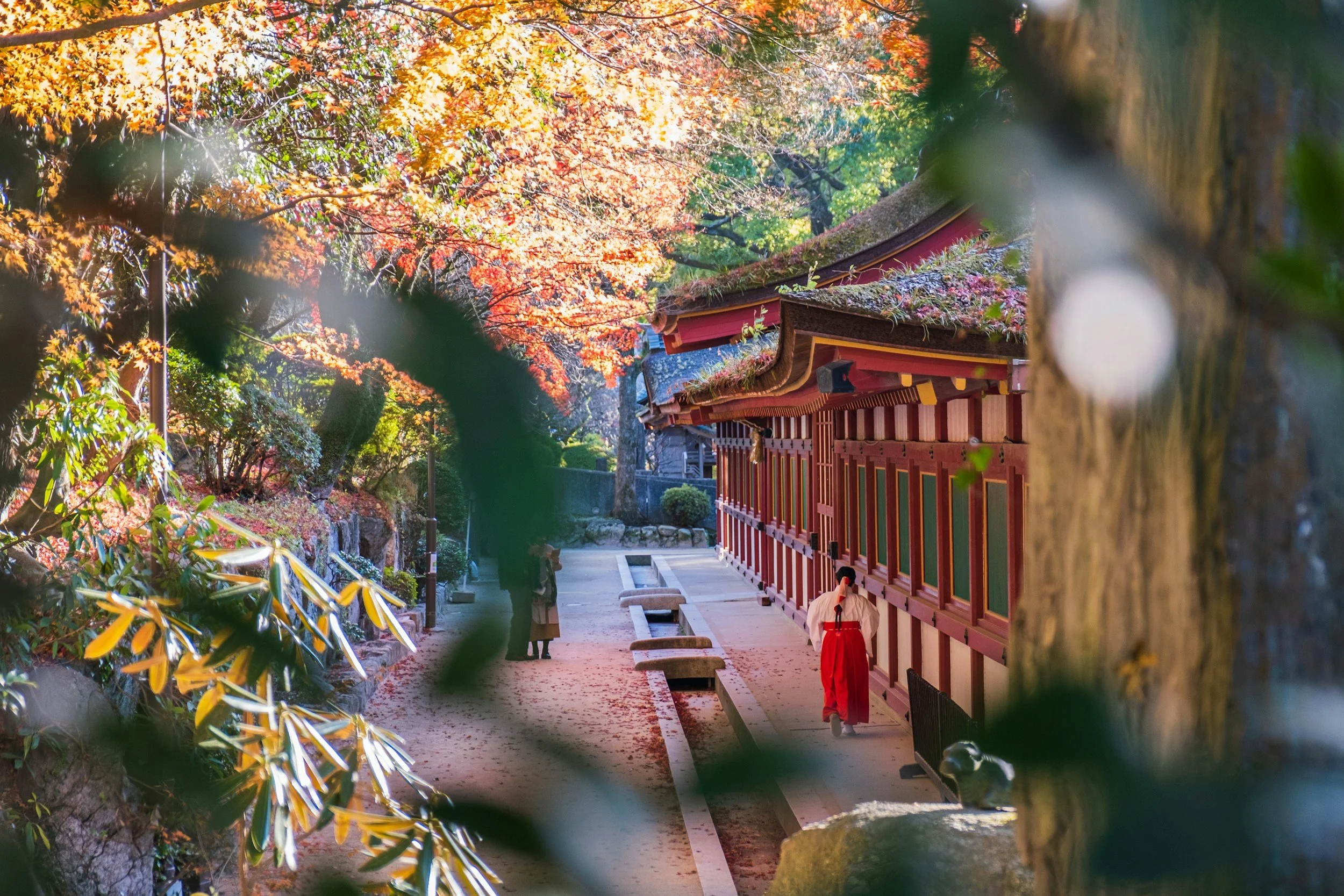
The best season for comfortable clothing. Cool, crisp weather (10–22°C) with low humidity.
Medium-weight layers (sweater, light jacket, flannel shirts)
A warmer jacket for November, especially in Kyoto in the evenings
Comfortable walking shoes with good grip (temple paths can be slippery with fallen leaves)
Scarf and light gloves for late November
Winter (December – February)
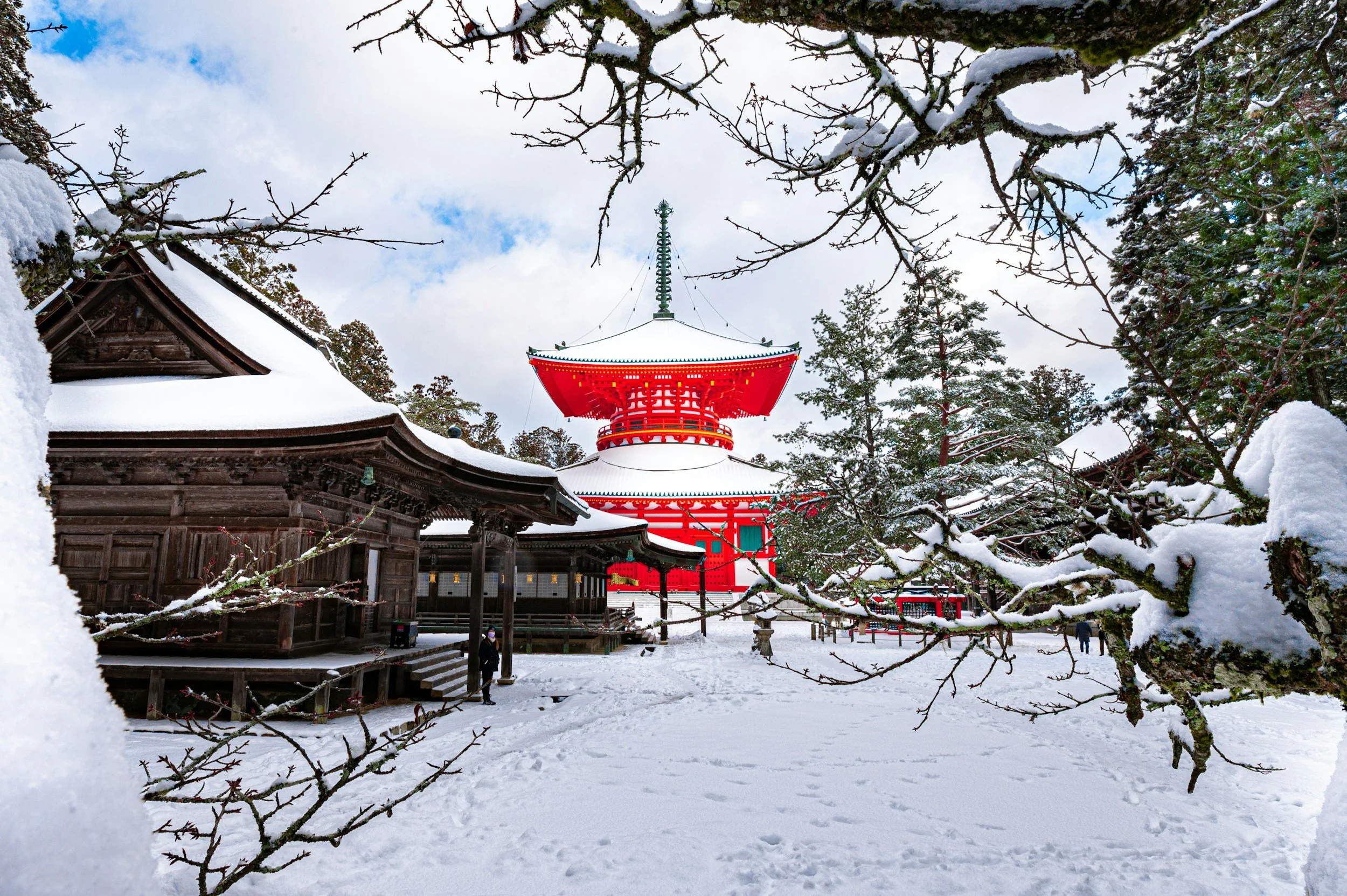
Cold but manageable on the Pacific coast (Tokyo, Kyoto, Osaka: 2–10°C). Very cold and snowy in Hokkaido and the Japan Sea coast.
Warm coat (insulated, windproof)
Thermal base layers (especially for Hokkaido or mountain areas)
Warm socks (tatami hallways in ryokan can be very cold)
Gloves, scarf, and hat
Waterproof boots if visiting snow country
Heat packs (kairo); available cheaply at any convenience store in Japan, but bring a few for Day 1
Toiletries and Personal Care
What to Bring
Prescription medications : bring enough for your entire trip plus a few extra days, in original packaging with a copy of the prescription. Some common Western medications (like certain allergy or cold medicines containing pseudoephedrine) are restricted in Japan.
Sunscreen : Japanese sunscreen is actually world-class (Biore, Anessa, Skin Aqua), but bring your own for Day 1.
Deodorant : Western-strength deodorant is hard to find in Japan. Bring your own.
Your preferred shampoo/conditioner : if you're particular. Japanese products are excellent but different from Western formulas.
Contact lens solution : available in Japan but brands may differ.
What NOT to Bring (Buy in Japan Instead)
Face masks : available everywhere
Sheet masks and skincare : Japan is a skincare paradise. Don Quijote and drugstores have incredible selection at low prices.
Tissues and wet wipes : convenience stores sell them for almost nothing
Lip balm : widely available
Basic toiletries : every hotel and ryokan provides soap, shampoo, conditioner, toothbrush, razor, and comb. Even budget business hotels.
Technology and Electronics
Must-Haves
Phone : your most important travel tool. Google Maps works flawlessly in Japan for navigation, transit directions (with platform numbers), and restaurant finding.
Portable charger (power bank) : you'll use your phone constantly for maps, translation, and photos. Bring at least 10,000 mAh.
Charging cable and adapter : Japan uses Type A plugs (same as US/Canada). If you're from Europe or UK, you need a plug adapter. Voltage is 100V (most modern devices handle this automatically).
Earbuds/headphones : for long Shinkansen rides and navigating crowded stations.
Recommended
Pocket Wi-Fi or eSIM : essential for staying connected. Options include:
eSIM (easiest): Ubigi, Airalo, or Mobal, activate before you leave home, works the moment you land. From $15 for 10 days.
Pocket Wi-Fi (best for groups): Rent online, pick up at the airport. Shares connection with multiple devices. From $5/day.
SIM card: Available at airports and electronics stores. Good option for longer stays.
Camera : if your phone camera isn't enough. Japan is extraordinarily photogenic.
E-reader : for long train rides (optional).
Don't Bother Bringing
Laptop : unless you need it for work. Your phone does everything you need for travel.
Hair dryer : every hotel provides one, WARNING the voltage is not the same, it’s lower 60-70 volt, for 120 in Europe.
Travel iron : not worth the space. Hotels have trouser presses or iron rentals.
Documents and Money
Essential Documents
Passport : valid for at least 6 months beyond your travel dates. Keep a photocopy (digital and paper) separate from the original.
Flight tickets : digital or printed confirmations.
Hotel reservations : saved offline on your phone. Some ryokan require printed confirmation.
Travel insurance : strongly recommended. Medical care in Japan is excellent but expensive for uninsured foreigners. Bring a printed copy of your policy.
International Driving Permit (IDP) : only if you plan to rent a car (Hokkaido, Okinawa, rural areas). Get it before leaving home.
Money
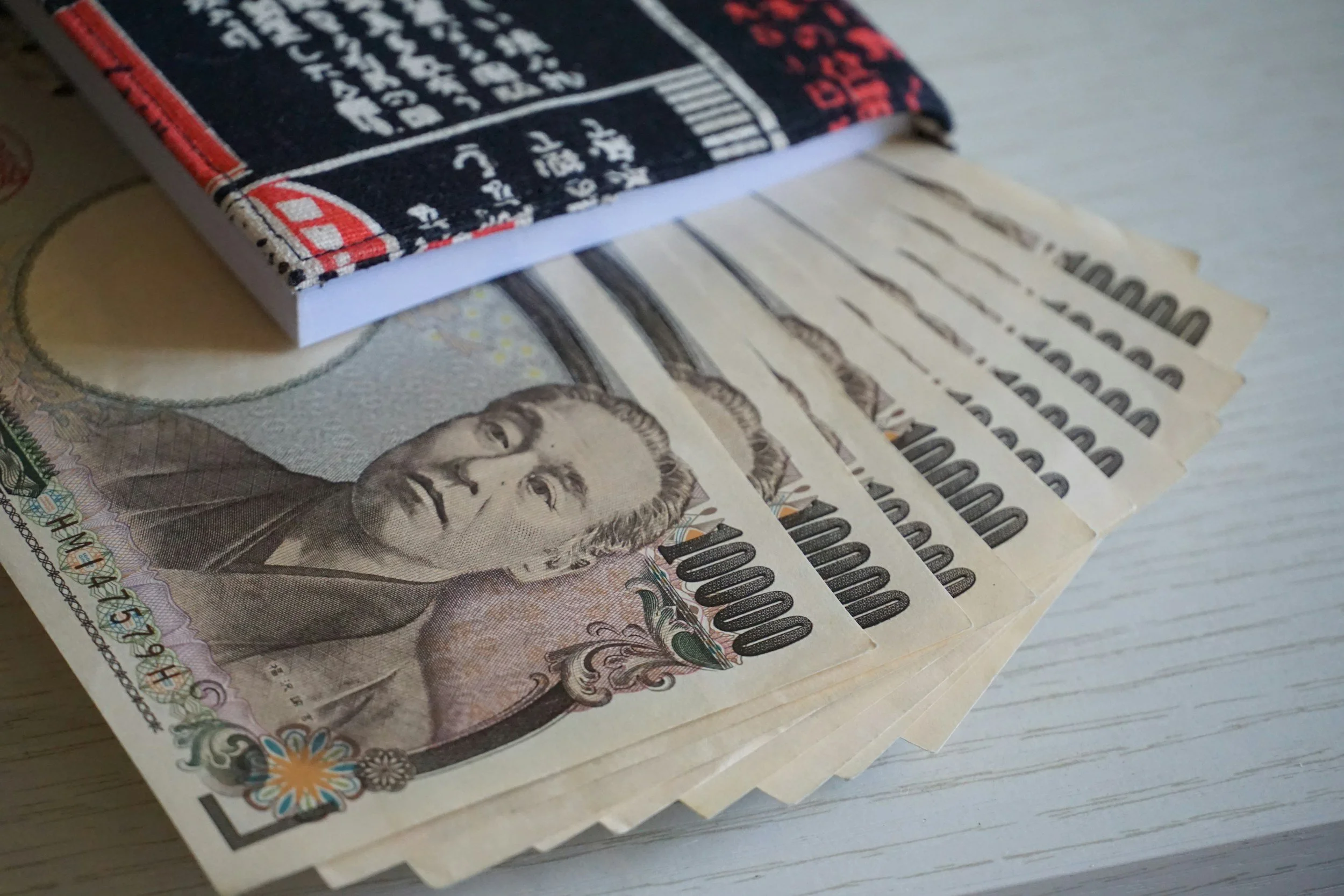
Cash : Japan is still heavily cash-based. Bring a small amount of yen for arrival (¥10,000–20,000) and withdraw more at 7-Eleven ATMs, which accept virtually all foreign bank cards.
Credit/debit card : Visa and Mastercard are widely accepted in hotels, department stores, and larger restaurants. Amex is less common. Many small restaurants, temples, and market stalls are cash only.
Avoid exchanging money at airports : the rates are terrible. 7-Eleven ATMs give the best exchange rates in Japan.
Japan-Specific Items You'll Be Glad You Packed
These are the small things that experienced Japan travelers always bring:
Slip-on shoes : you'll remove them constantly. Laces are your enemy.
A small towel (tenugui) : many public restrooms have no paper towels. The Japanese always carry a small hand towel. You can also buy beautiful ones in Japan as souvenirs.
A reusable water bottle : Japan has free water fountains in most parks and stations. Tap water is safe and excellent quality.
A compact umbrella : rain can appear suddenly in any season. Japan's convenience stores sell clear plastic umbrellas for ¥500, but having your own saves the purchase.
A small ziplock bag : for trash. Japan has very few public trash cans. You'll carry your garbage until you find one (usually at convenience stores or train stations).
Compression packing cubes : keep your suitcase organized and save space for souvenirs on the return trip.
A crossbody bag or small backpack for daily use : secure, hands-free, and easy to access for IC cards, cash, and your phone.
Blister patches : just in case. Available at Japanese drugstores but good to have from Day 1.
Motion sickness remedies : if you're prone to it. Some mountain roads and ferries (especially to Miyajima or in Hokkaido) can be rough.
A few resealable bags : useful for keeping temple tickets, receipts, and small souvenirs organized.
What to Leave at Home
Excessive jewelry, Japan is safe, but flashy accessories are out of place in a culture that values subtlety.
Strong perfume/cologne, the Japanese are sensitive to strong scents, especially in enclosed spaces like trains and restaurants.
Full-size toiletries, decant into travel bottles or buy in Japan.
Too many "just in case" outfits, Japan has incredible shopping. If you need something unexpected, you'll find it at Uniqlo, Don Quijote, or a 100-yen shop for a fraction of what you'd pay at home.
Guidebooks, your phone replaces them entirely. Google Maps, Google Translate (with camera translation for Japanese signs), and your saved bookmarks are all you need.
Travel pillows and blankets, Shinkansen seats are comfortable and recline. Hotels provide everything.
Luggage Forwarding: The Secret Weapon
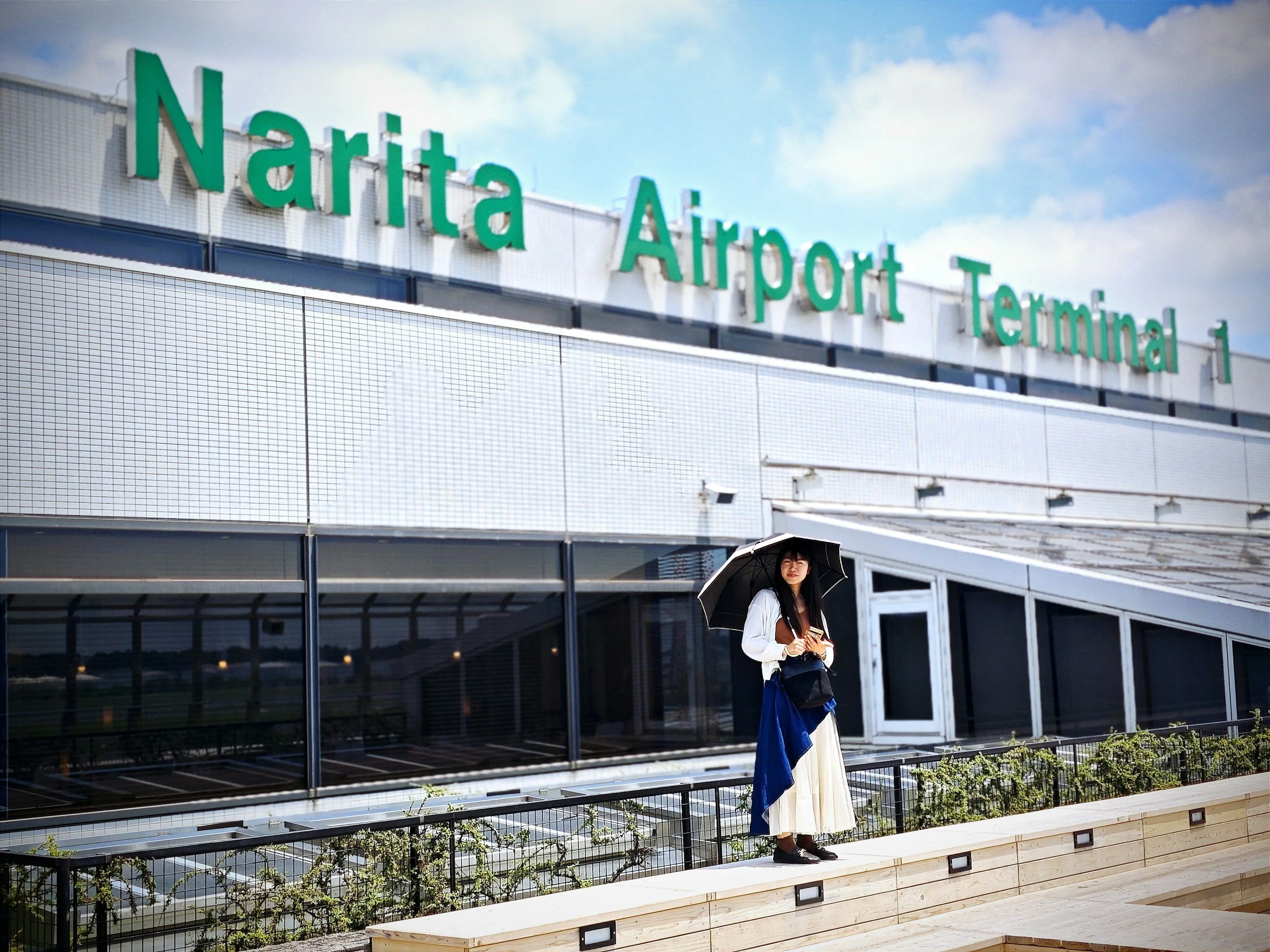
Takkyubin (宅急便) is Japan's luggage forwarding service, and it will change how you travel. Instead of dragging suitcases through train stations and subway stairs, you send your bags from one hotel to the next.
How it works:
Tell your hotel front desk you want to send luggage via takkyubin (Yamato Transport / Kuroneko)
Fill out a simple form (staff will help)
Your bag arrives at your next hotel the following day
Cost: approximately ¥2,000–3,000 per bag depending on size and distance
When to use it: Every time you change cities. Send your bag from Tokyo to Kyoto, then from Kyoto to Osaka. Travel with just your daypack on the Shinkansen.
This service is available at every hotel front desk, many convenience stores, and even some train stations. It's reliable, affordable, and one of those things that makes you wonder why every country doesn't have this.
The Ultimate Packing Checklist
Clothing (for a 10-day trip, wash midway)
4–5 T-shirts or light tops
2 pairs of trousers (1 casual, 1 slightly dressier)
1 pair of shorts (summer only)
5–7 sets of underwear and socks
1 sweater or fleece (spring/autumn/winter)
1 jacket (weight depends on season)
1 rain layer (packable jacket or umbrella)
Sleepwear (optional, ryokan provide yukata)
1 scarf (doubles as temple cover-up and warmth)
Shoes
1 pair of comfortable slip-on walking shoes
1 pair of backup sandals or flats
Toiletries
Prescription medications + copies of prescriptions
Deodorant
Sunscreen
Toothbrush (or use hotel's)
Small towel / tenugui
Tech
Phone + charger
Power bank (10,000+ mAh)
Plug adapter (if from Europe/UK/Australia)
Earbuds
eSIM or pocket Wi-Fi reservation confirmation
Documents
Passport
Travel insurance printout
Hotel confirmation printouts or screenshots
Credit/debit card
Cash (¥10,000–20,000 for arrival)
IDP (if renting a car)
Japan-Specific Extras
Compact umbrella
Reusable water bottle
Small ziplock bags (for trash)
Packing cubes
Crossbody bag or daypack
Blister patches
One Last Tip
The best thing you can pack for Japan is an open mind. You'll sleep on floors, eat things you can't identify, navigate a subway system in a language you can't read, and figure out toilet buttons that look like a spaceship control panel. And every single moment of it will be worth it.
Japan doesn't just reward careful preparation, it rewards curiosity, patience, and a willingness to be surprised. Pack light, stay flexible, and trust the experience.
Need help preparing your Japan trip? Contact Japan Horizons, we handle all the logistics, bookings, and planning so you can focus on packing your bags and showing up.
